



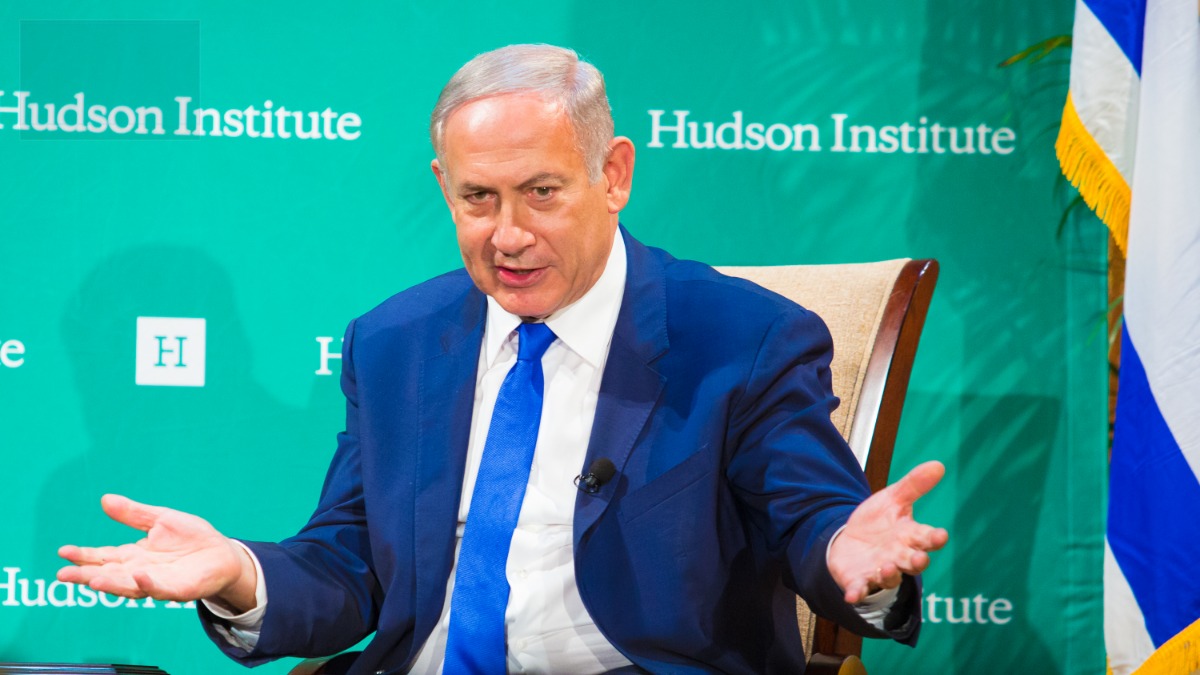

New intelligence has revealed details of a previously unreported phone call between Prime Minister Benjamin Netanyahu and President Donald Trump, just hours before the U.S.-Israeli strike on Iran began, as per Reuters. This conversation, which happened less than 48 hours before bombs started falling, centered on the urgent reasons for launching a complex, far-off military operation that President Trump had once campaigned against.
Both President Trump and Prime Minister Netanyahu were already aware from intelligence briefings earlier in the week that Iranian Supreme Leader Ayatollah Ali Khamenei and his top lieutenants were scheduled to meet soon at his compound in Tehran. This presented a prime opportunity for a “decapitation strike,” an attack aimed at a country’s top leadership.
While Israelis often use this tactic, it’s traditionally less common for the United States. However, new intel suggested this crucial meeting had been moved forward to Saturday morning from Saturday night, according to three people briefed on the call.
Prime Minister Netanyahu, who had pushed for such an operation for decades, was determined to move forward
Netanyahu argued that this might be the best chance they would ever get to eliminate Khamenei and retaliate for earlier Iranian attempts to assassinate President Trump. These attempts included a murder-for-hire plot allegedly orchestrated by Iran in 2024, when President Trump was a candidate. The Justice Department had accused a Pakistani man of trying to recruit individuals in the United States for this plan, which was reportedly meant as retaliation for Washington’s killing of the Islamic Revolutionary Guard Corps’ top commander, Qassem Soleimani.
By the time this critical phone call took place, President Trump had already given his approval for the United States to carry out a military operation against Iran. He just hadn’t decided on the specific timing or conditions for U.S. involvement, according to sources who spoke anonymously about these sensitive internal discussions.
The U.S. military had been building up its presence in the region for weeks, leading many within the administration to believe it was only a matter of when President Trump would decide to act. An earlier potential strike date had been canceled due to bad weather.
While it’s not entirely clear how Prime Minister Netanyahu’s arguments directly influenced President Trump, the call certainly served as the Israeli leader’s final pitch to his U.S. counterpart. The three sources briefed on the call believe that this conversation, combined with the intelligence showing a rapidly closing window to target Iran’s leader, was a key catalyst for President Trump’s ultimate decision. He ordered the military on February 27 to proceed with Operation Epic Fury.
Prime Minister Netanyahu argued that President Trump could make history by helping eliminate an Iranian leadership long disliked by the West and even many Iranians. He suggested that Iranians might even take to the streets, potentially overthrowing the theocratic system that had governed the country since 1979 and been a major source of global terrorism and instability.
Prime Minister Netanyahu, speaking at a news conference recently, dismissed claims that “Israel somehow dragged the U.S. into a conflict with Iran” as “fake news.” He added, “Does anyone really think that someone can tell President Trump what to do? Come on.” President Trump has also publicly stated that the decision to strike was his alone.
While officials and others close to both leaders, speaking anonymously due to the sensitivity of these internal deliberations, don’t suggest Prime Minister Netanyahu forced President Trump into war, the reporting indicates that the Israeli leader was a highly effective advocate. His framing of the decision, especially highlighting the opportunity to eliminate an Iranian leader who allegedly oversaw efforts to kill President Trump, was persuasive.
Defense Secretary Pete Hegseth hinted at revenge as a motive in early March, telling reporters, “Iran tried to kill President Trump, and President Trump got the last laugh.”




Published: Mar 24, 2026 05:15 pm