



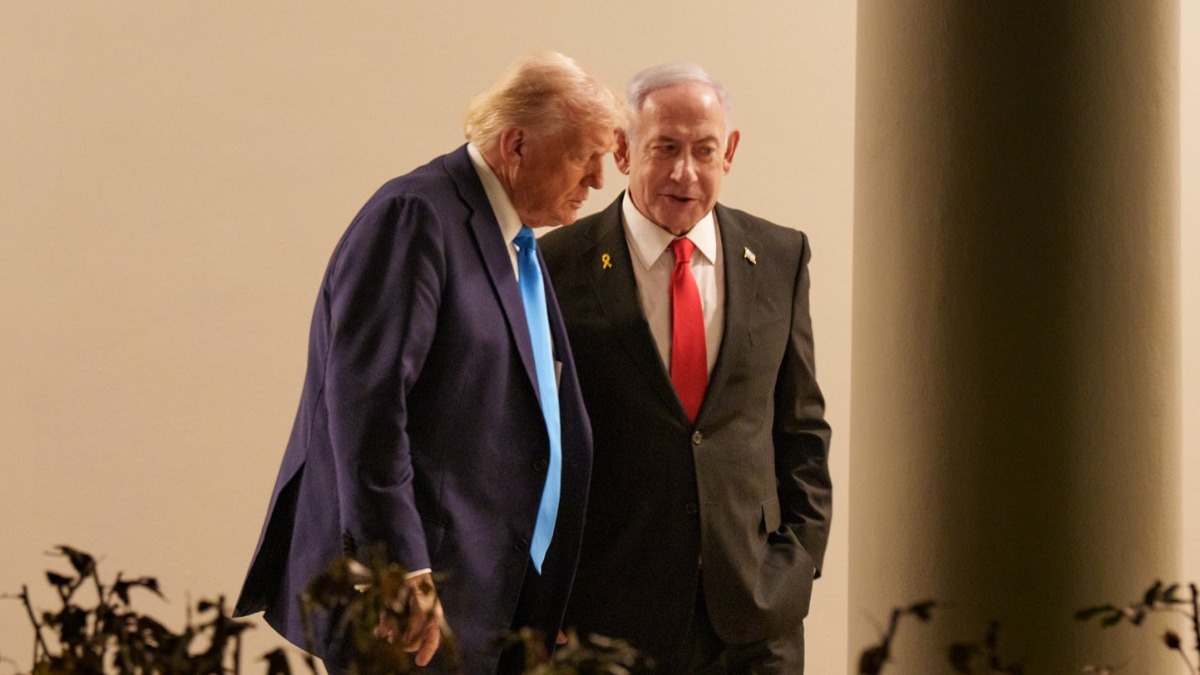

Israel is currently experiencing a significant decline in American public support, a trend that appears to be accelerating even as the nation pursues its strategic objectives in the Middle East. While Israel may be finding success against its adversaries, the latest data from the Pew Research Center paints a clear picture of a shifting relationship with the American public.
According to the survey, which was conducted March 23-29 among 3,507 U.S. adults, more than 60 percent of Americans now view Israel unfavorably. This is a notable increase from 53 percent last year and represents a nearly 20-point jump since 2022.
The intensity of these negative sentiments is particularly striking. The percentage of respondents who report holding a very unfavorable view of Israel has reached 28 percent. This figure is up 9 points in just one year and has nearly tripled since 2022. It is worth noting that this survey was fielded about a month into the U.S. and Israeli-led war in Iran, suggesting that the conflict has played a central role in shaping these perceptions.
The erosion of support for Israel isn’t limited to one side of the political aisle, though the trends differ significantly
Among Democrats and Democratic-leaning independents, eight-in-ten now hold an unfavorable view of Israel, rising from 69 percent last year and 53 percent in 2022. Younger Democrats are even more critical, with those under 50 being slightly more likely than their older counterparts to express a very unfavorable view.
While Republicans generally remain more favorable toward Israel, with 58 percent reporting a positive view compared to 41 percent who do not, the tide is turning there as well. Specifically, 57 percent of Republicans between the ages of 18 and 49 now hold an unfavorable opinion of Israel, a jump from 50 percent last year.
A major factor in this shifting landscape seems to be the declining confidence in Prime Minister Benjamin Netanyahu. Around 59 percent of Americans now express little or no confidence in his ability to do the right thing regarding world affairs, which is an increase of 7 points since last year and nearly 20 points since 2023. A large majority of Democrats, at 76 percent, lack confidence in the Prime Minister, with 52 percent stating they have no confidence at all. Even among Republicans, views are becoming increasingly split; 45 percent have some or a lot of confidence in him, while 44 percent now express little or no confidence.
The diplomatic relationship between the U.S. and Israel is also under the microscope, particularly regarding the influence of Prime Minister Netanyahu on American policy. Reports indicate that Netanyahu worked hard to persuade the U.S. to engage in military action against Iran. According to information shared by the New York Times, Netanyahu painted a picture of Iran as being ripe for regime change during a meeting in the White House Situation Room. He reportedly suggested that the Iranian missile program could be dismantled quickly and that retaliation would be limited.
These claims were met with skepticism by some top officials. The CIA director reportedly described the assessment as farcical, while Secretary of State Marco Rubio was even more blunt, calling it “bulls—.” General Dan Caine offered a more diplomatic take on the situation, noting that Israel knows it needs the U.S., which is why they are hard-selling these policies. Despite this skepticism, the influence of these meetings appears to have been a deciding factor.
Looking ahead, the long-term security of Israel has historically rested on its friendship with the U.S., which depends heavily on public support. The current trend suggests that Israel’s recent actions may be causing lasting damage to that foundation. While it is possible that the situation could be resolved and support could eventually rebound, a more likely outcome is the continued erosion of American public backing. This could eventually force a future president to reassess the nature and scale of American financial aid.








Published: Apr 10, 2026 02:45 pm