



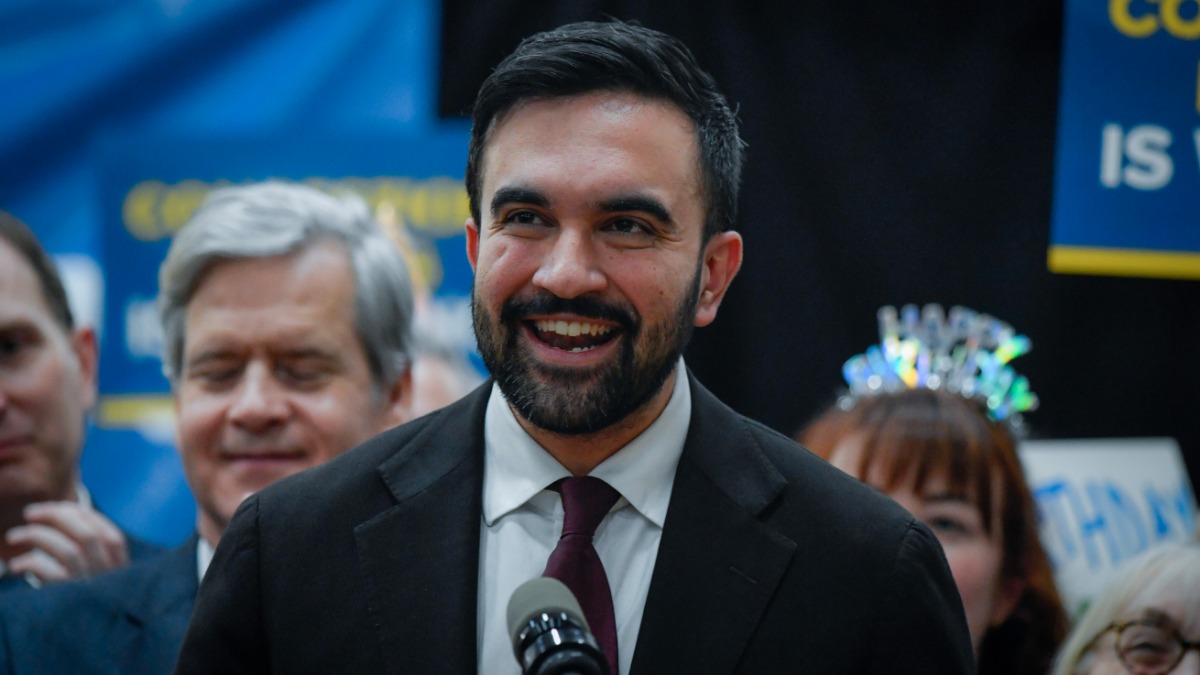

New York State Governor Kathy Hochul officially proposed a new tax aimed at second homes valued at over $5 million, a move that signals a significant shift in how the city plans to address its ongoing budget concerns. This proposal, which has been backed by New York Mayor Zohran Mamdani, specifically targets luxury properties that sit empty for the majority of the year, Reuters reported.
The core of this initiative is a pied-a-terre tax that would place an annual surcharge on high-value homes when the owners do not use the property as their primary residence. While the specific figure for the annual surcharge has not been finalized, the financial impact is expected to be substantial.
According to official statements from the city, the tax is projected to generate roughly $500 million in annual revenue, which would go a long way toward helping the city close its current budget gap. This is particularly important given that city officials have been warning about multibillion-dollar budget shortfalls left behind by the previous administration.
For those wondering how this affects the luxury real estate market, the goal is quite clear
City Hall has stated that the measure targets out-of-city residents and global elites who use New York City real estate as a vehicle for wealth storage rather than as actual homes. It is a common trend to see these massive, expensive units dotting the Manhattan skyline, often casting long shadows over the city while remaining vacant. By implementing this tax, the hope is to discourage the use of the city as a simple safety deposit box for the ultra-wealthy.
Governor Hochul, who has generally been hesitant to raise taxes while planning for her re-election campaign, framed the decision as a matter of fairness. In a statement on her official website, she said, “If you can afford a $5 million second home that sits empty most of the year, you can afford to contribute like every other New Yorker.” This sentiment aligns with the broader platform of Mayor Mamdani, a democratic socialist who campaigned on the promise of making the city more affordable for everyday residents by taxing the rich.
It is worth noting that this tax does not apply to wealthy homeowners who actually live in New York City full-time. If you own a high-value property and use it as your primary residence, you are not the target here. To avoid the tax, property owners have a few straightforward options. They can either make the home their primary residence or rent it out to someone who does. This ensures that the policy is focused on absentee owners who currently do not pay New York City’s income taxes.
The proposal has already drawn attention to some of the most prominent property deals in recent years. In a press release, City Hall specifically mentioned Ken Griffin, the founder and CEO of the Miami-based hedge fund Citadel. Back in 2019, Griffin paid $238 million for a penthouse condominium overlooking Central Park, a transaction that set a record for a U.S. home sale at the time. Griffin previously voiced his opposition to Mamdani’s policies, suggesting that New Yorkers deserved better than the mayor’s talking points.
The discussion surrounding this tax also brings New York into alignment with other major global cities. Countries like France, the United Kingdom, and Canada already impose taxes on non-primary residences. During a Tax Day Forum on April 15, Nobel Laureate economist Joseph Stiglitz discussed the broader context of wealth inequality. He noted that the United States is unique in its level of inequality compared to other advanced nations, and that New York particularly stands out in this regard.
While the proposal has been welcomed by supporters as a progressive step forward, it has not been without its critics. Bruce Blakeman, a Long Island Republican county executive who is challenging Hochul, argued that the governor has gone back on her promise not to raise taxes.
He stated, “Kathy Hochul’s ‘No Tax Hike’ promise has expired faster than the families fleeing New York’s affordability crisis.” Despite this, Hochul has maintained that she is not entertaining broader income or corporate tax hikes that some advocates have pushed for.








Published: Apr 16, 2026 03:45 pm