



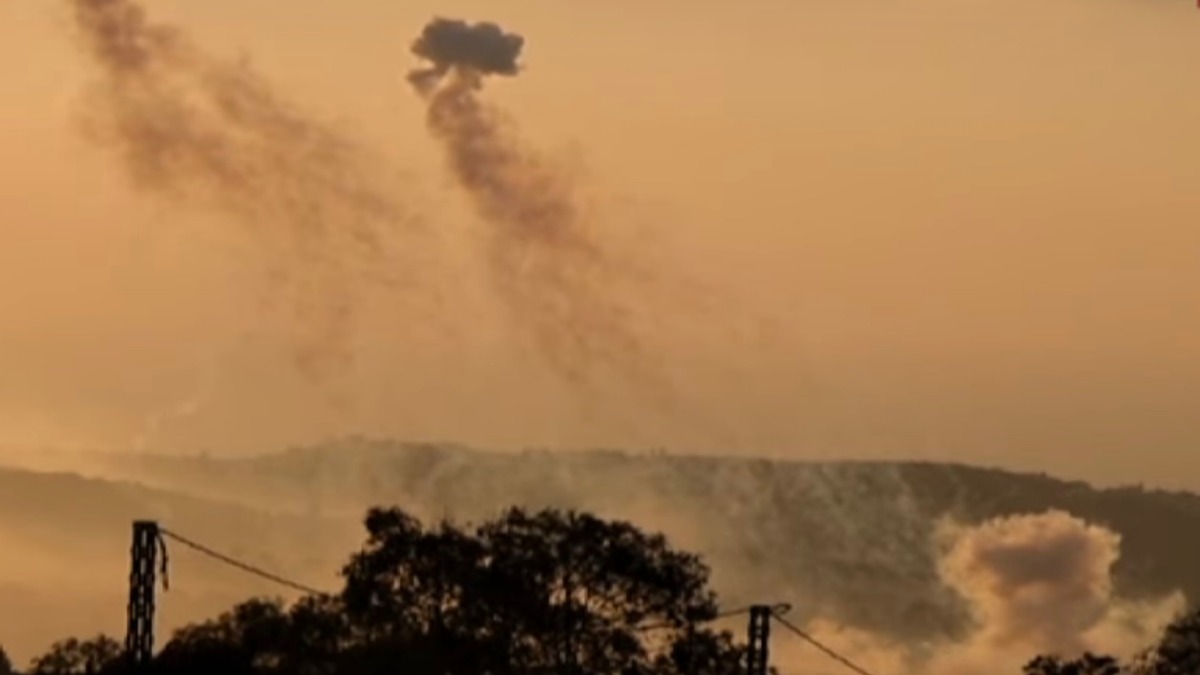

Tens of thousands of displaced people began a cautious return to southern Lebanon on April 17, 2026, as a 10-day ceasefire officially took hold. As detailed by Al Jazeera, thousands poured back into their home areas that morning, many of which had been battered by more than a month of intense military activity. For many, the return was not about moving back permanently, but an urgent need to assess what remains of their lives.
In hard-hit areas like Nabatieh, the physical toll of the conflict was impossible to miss. Some families found their homes simply beyond repair. Fadel Badreddine, who returned with his wife and son, described the situation as unliveable and decided staying was not an option, a sentiment shared by others who arrived only to find the destruction too absolute to overcome.
The humanitarian picture is equally grim, with OCHA reporting that the latest round of fighting killed more than 2,100 people and displaced approximately 1.2 million individuals. Prior to the escalation, which intensified sharply on March 2, 2026, an estimated 3 million people in Lebanon were already in need of assistance due to socioeconomic vulnerability and water scarcity.
The ceasefire is hanging by a thread
The military situation continued to overshadow the returns. Hezbollah stated that its fighters would keep their finger on the trigger, citing distrust of the opposing side. Lebanon’s army accused Israel of intermittent shelling in the south despite the truce being in effect.
The dangers of the conflict persisted even without active airstrikes. In the town of Majdal Selem, a young boy was killed by unexploded ordnance. Rescuers in Tyre uncovered the bodies of at least a dozen people killed in earlier attacks.
French President Emmanuel Macron warned that the ceasefire may already be undermined by ongoing military operations, emphasizing the need for civilian safety on both sides of the border. Amid broader US political debates over the region, including a public dispute over Middle East policy, the truce also drew international commentary on its diplomatic implications.
Ali Akbar Dareini, a researcher at Iran’s Center for Strategic Studies, noted that the truce removes a significant obstacle to wider negotiations between the US and Iran, with Tehran having viewed the regional conflict as a unified front.
Pakistani Prime Minister Shehbaz Sharif welcomed the truce and expressed hope that it would pave the way for sustainable peace. In a statement posted on X, he reaffirmed Pakistan’s support for Lebanon’s sovereignty and territorial integrity, and acknowledged the role of US President Donald Trump, who invited leadership from both Israel and Lebanon to the White House for talks.
Over 822,000 people registered as displaced in the first week of the escalation alone, nearly 300,000 of them children. With about 128,000 people sheltering in nearly 600 collective sites across the country, aid infrastructure was being pushed to its limits. Amid separate political flashpoints, including Trump’s White House meeting plans drawing wider domestic attention, organizations continued working to provide mobility aids and other necessities at scale.
Israeli officials indicated they intended to maintain control over a buffer zone extending to the Litani River, adding uncertainty for residents trying to determine whether their homes fell within that territory.







Published: Apr 17, 2026 08:00 am