



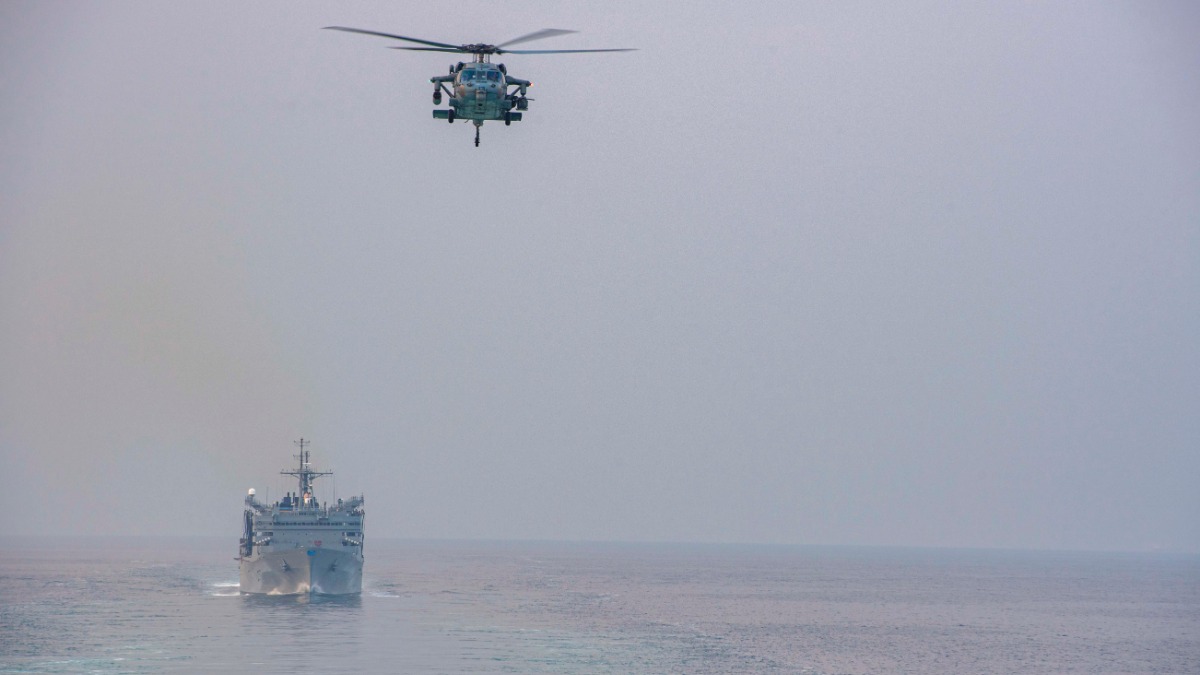

Iran has officially shut down the Strait of Hormuz again, marking a sharp turn in the ongoing maritime crisis. The Iranian military declared on Saturday that control of the waterway, which handles 20 percent of the world’s oil flow, has returned to its previous state. Shortly after, reports emerged of Iranian gunboats firing at a merchant ship that was trying to pass through the strait. Tehran says this is a direct response to what it calls a continued US blockade of its ports.
By 10:30 GMT on Saturday, at least eight oil and gas tankers had successfully crossed the strait. However, at least as many ships appeared to turn back and leave the Gulf area, creating serious disruption for global shipping.
John-Paul Rodrigue, a maritime shipping specialist at Texas A&M University, told Al Jazeera that the conflicting reports are stopping many vessels from even trying to make the crossing. He explained that ships have been attempting to pass, but many are heading back because the situation is unclear. According to Rodrigue, “There is contradictory information being issued by all parties.”
Iran’s reversal shows how little trust remains between the two sides
The Islamic Revolutionary Guard Corps (IRGC) released a statement on Saturday, cited by Iranian media, calling the US blockade of Iranian ports “acts of piracy and maritime theft.” The statement said that control over Hormuz is “under the strict management and control of the armed forces.” The IRGC made clear that until the US restores full freedom of navigation for vessels traveling to and from Iran, the strait will remain tightly controlled.
This closure came only hours after the strait had been reopened. During that short window, more than a dozen commercial ships passed through following a US-mediated 10-day ceasefire deal between Israel and Lebanon.
But that optimism did not last long. Iranian leaders reversed course after it became clear that the US would not lift its naval blockade of Iranian ports. Mohammad B. Ghalibaf, Iran’s speaker of Parliament and a top negotiator, stated, “With the continuation of the blockade, the Strait of Hormuz will not remain open.” He also said, “They did not win the war with these lies, and they will certainly not get anywhere in negotiations either.”
Despite the rising tensions, messaging from the United States has remained surprisingly positive. According to USA Today, President Trump claimed that there were “very good conversations going on” with Tehran, even after Iran announced the strait would stay closed.
At a political rally in Arizona on Friday evening, Trump also claimed that most points had already been negotiated and agreed to. He also said that Iran had given ground on several key issues, particularly around the belief that “the USA will get all nuclear dust,” referring to the country’s stockpile of highly enriched uranium.
Ghalibaf has previously contradicted Trump’s claims directly on live television, highlighting just how wide the gap between both sides remains. Iran is seeking a full end to the war across the region, along with security guarantees, sanctions relief, and the unfreezing of its assets. The nuclear file and uranium stockpile remain central to the dispute. Because of these overlapping demands, Asadi noted that it is difficult to talk about the chances of a successful deal moving forward.
The threat of renewed military action continues to hang over the diplomatic process. Experts have also pointed out that the Hormuz blockade is straining Iran’s economy, though analysts warn it may not be enough pressure to force a final agreement.
The United States has warned it might not extend the current ceasefire agreement. Trump delivered a stark warning was delivered aboard Air Force One: “Maybe I won’t extend it,” and, “So you’ll have a blockade, and unfortunately we’ll have to start dropping bombs again.” While there is stated confidence that a deal could come together quickly, Iran says no date has been set for another round of talks.
Tehran continues to accuse the United States of “betraying” diplomacy across all negotiations. For now, global shipping remains stalled, and the future of the region is tied to the narrow, heavily contested waters of the Strait of Hormuz.








Published: Apr 18, 2026 11:15 am