



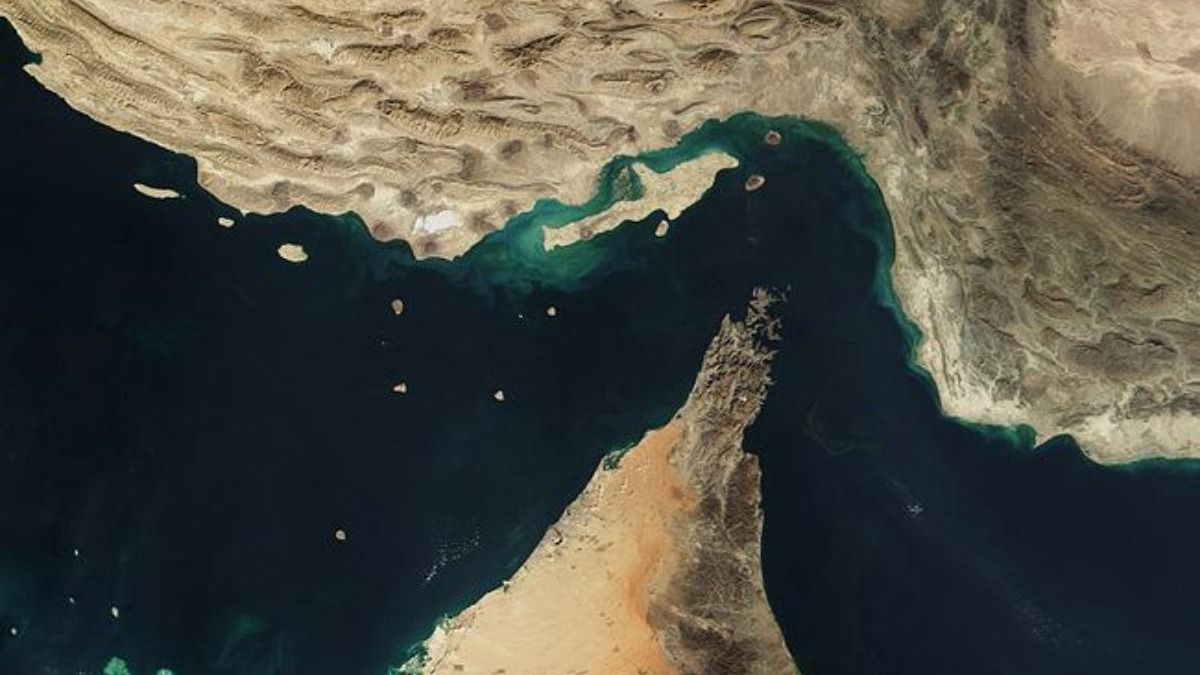

The U.S. military has officially implemented a naval blockade in the Strait of Hormuz, a move that is already sending shockwaves through the global economy. This operation, which followed the collapse of peace talks in Pakistan, is designed to choke off the maritime trade routes that fuel Iran’s economy. According to U.S. Central Command, the blockade has effectively halted 90 percent of Iran’s seaborne trade in less than 36 hours, The Hill reported.
With the stakes this high, the situation has become a high-pressure game of endurance between Washington and Tehran. Rather than stationing warships directly against the Iranian coast, the U.S. military is operating out in the Gulf of Oman. From this position, they are monitoring 18 different ports using a combination of surveillance and intelligence assets.
Joint Chiefs of Staff Chair Gen. Dan Caine described the intensity of these operations during a Thursday press briefing at the Pentagon. He compared the Navy’s maneuvers to “like driving a sports car through a supermarket parking lot on a pay day weekend,” noting that the team is working amidst thousands of other vessels while trying to identify and intercept those attempting to run the blockade.
The results on the ground, or rather on the water, are already visible
Gen. Caine confirmed that 13 ships have already made “the wise choice of turning around” after encountering the U.S. presence. The military is not just sitting back, either. Officials have stated they will actively pursue any Iranian-flagged vessel or any boat attempting to provide material support to Iran. This includes the so-called dark fleet, which consists of ships that try to evade international regulations, insurance requirements, or sanctions. Gen. Caine warned that if vessels refuse to comply, “we will use force,” including the possibility of boarding those ships.
This economic squeeze is intended to force Tehran back to the negotiating table after a nearly seven-week conflict. Before this blockade, Iran was moving roughly 1.5 million barrels of oil per day, alongside approximately $340 million in other seaborne trade.
Experts like Joel Rayburn from the Hudson Institute suggest this is a “killer for Iranian trade and their revenue stream.” Rayburn points out that Iran simply lacks the trade relationships and infrastructure to replace their maritime routes with land-based alternatives through countries like Pakistan or Iraq. It is a massive disruption, and it is clear that the administration is betting on this financial isolation to yield results.
However, the strategy is not without its critics or significant risks. While the blockade is undoubtedly effective at stopping trade, military experts are questioning whether this alone can achieve a long-term resolution. Retired Vice Adm. Kevin Donegan, a former commander of the Navy’s Fifth Fleet, noted that while the pressure on Tehran is intense, the regime’s willingness to endure suffering is a massive unknown. “It’s hard for it not to have an impact on them,” Donegan said.
“But remember, the Iranian regime cares less about the suffering that may be felt by their people. … Their ability to just say, ‘OK, we’re going to let this keep going, because we think we can outlast the Americans,’ is unknown for how long.” Donegan also emphasized that the military tool in itself will not get the U.S. to an end state, suggesting that diplomacy must remain a core component of the strategy.
There are also concerns regarding the impact on American consumers. Because the oil market has been stressed since early March, the longer this blockade remains in place, the higher the prices are likely to climb at the gas pump.
President Trump has praised the effort as “incredible,” noting that Iran is “unable to do any business.” Despite this, the path forward remains murky. The recent peace talks in Islamabad ended without a breakthrough, and Vice President Vance noted that Iran refused to make an “affirmative commitment that they will not seek a nuclear weapon.”
The situation remains volatile on both sides. Iran’s acting defense minister, Brigadier General Majid Ibn Reza, has stated that the country is prepared for “any scenario” and warned of a “harsh and decisive response.” Meanwhile, the U.S. has made it clear that the blockade will be enforced impartially against vessels of all nations, though ships traveling between non-Iranian ports are still permitted to enter the Strait.









Published: Apr 17, 2026 05:00 pm