



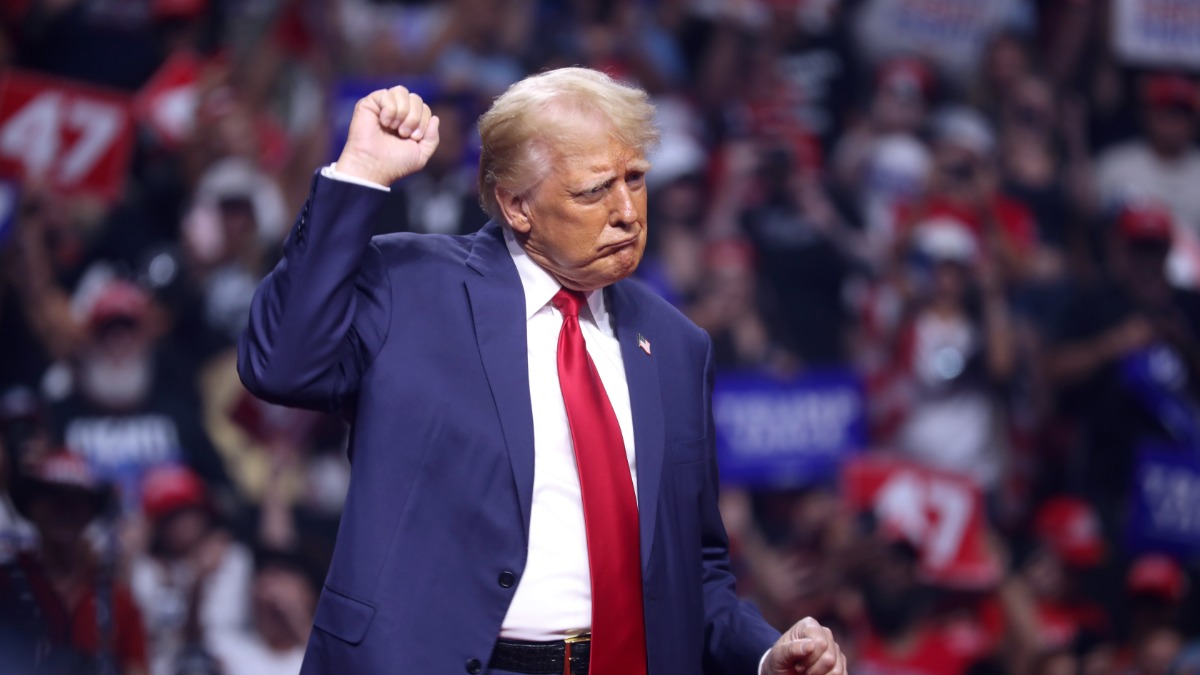

The landscape of the ongoing conflict between the United States and Iran is shifting rapidly, as new reports suggest both nations are edging closer to a potential framework for peace. Despite these glimmers of progress in stalled negotiations, the situation remains incredibly volatile. On Wednesday, the United States president issued a stark ultimatum, warning that if Iran fails to accept a deal to end the war, the nation will face a new wave of military action described as being “at a much higher level and intensity than it was before,” The Guardian reported.
This latest development comes on the heels of a series of policy shifts that have kept global observers on edge. On the one hand, there are reports that Washington and Tehran are close to finalizing a one-page memorandum of understanding. On the other hand, the threat of renewed bombing hangs over the proceedings like a dark cloud.
The president took to his Truth Social platform on Wednesday to outline his stance. “Assuming Iran agrees to give what has been agreed to, which is perhaps a big assumption, the already legendary Epic Fury will be at an end,” he stated, referencing the joint military operation launched alongside Israel back in February. He followed this with a clear warning: “If they don’t agree, the bombing starts, and it will be, sadly, at a much higher level and intensity than it was before.”
While the rhetoric is certainly intense, the diplomatic machinery seems to be grinding forward behind the scenes
Earlier on Wednesday, reports indicated that Washington and Tehran were nearing an agreement on a one-page memorandum of understanding. The expectation is that Iran will respond to several key points within a 48-hour window. While nothing is officially set in stone, observers note that this represents the closest the two parties have been to a deal since the conflict began. Officials in Pakistan, who are acting as a mediator, have suggested that an initial framework could potentially be agreed upon within that same 48-hour timeframe, though they cautioned that talks remain difficult and nothing is guaranteed.
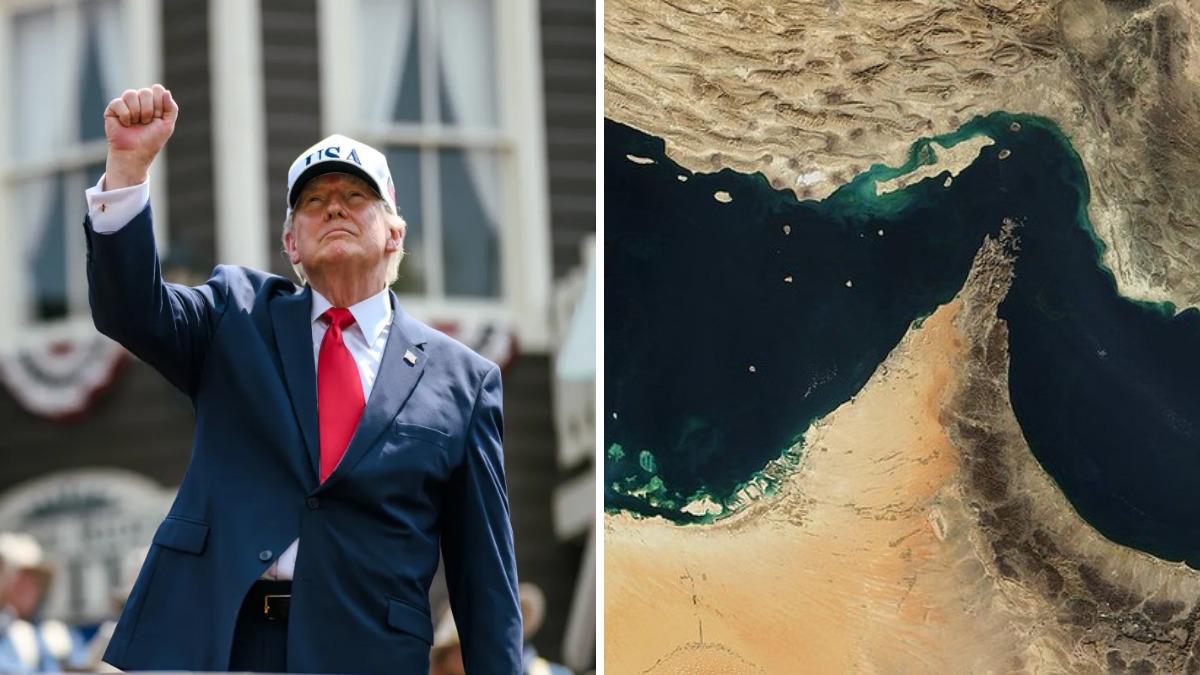
The logistical situation at the Strait of Hormuz adds another layer of urgency to these talks. Late on Tuesday, the president ordered an indefinite pause to a naval effort known as Project Freedom, which was designed to guide stranded commercial ships through the vital waterway. This decision was reportedly made after requests from mediators in Pakistan and other nations.
It is a critical move because the Strait of Hormuz typically carries about a fifth of the world’s oil and liquid gas supplies. Currently, more than 800 ships and roughly 20,000 crew members are stranded west of the waterway, as Iran’s threats to deploy mines, drones, missiles, and fast-attack craft have made the passage far too risky for commercial vessels.
Even with the pause in Project Freedom, the administration has made it clear that the blockade of Iranian ports will remain in place. This blockade is a central pillar of the current pressure campaign, aimed at forcing concessions from Tehran. A senior Pakistani political source noted that the immediate focus is on obtaining a permanent ceasefire and ensuring the “opening of the Strait of Hormuz by both, at least for 60 days.” This window of time would theoretically allow both sides to address more complex, long-term issues, including uranium enrichment.
However, the lack of trust between the two parties is palpable. One Pakistani official described the situation as being “50/50,” noting that things could easily swing in either direction. The official emphasized that once the US ends the blockade and the Strait of Hormuz remains open, that would signal the beginning of real, substantive talks. For now, the reliance on an external guarantor like China is being discussed, though there is widespread skepticism regarding whether Beijing possesses the necessary leverage to sway both Washington and Tehran.
The news of a potential deal has already impacted global markets, causing the price of oil to tumble after it had jumped as much as 6% earlier in the week. While the Iranian foreign ministry stated that Tehran is reviewing the US proposal, other voices within the Iranian government are more skeptical. The Tasnim news agency, which is associated with the Islamic Revolutionary Guard Corps, suggested that the reports of a deal are merely a way for the administration to justify its retreat from the recent actions in the Strait of Hormuz.
As the president prepares for a visit to Beijing next week, the pressure to secure a win is mounting. Whether this results in a breakthrough or a further escalation remains to be seen. With the conflict currently at a stalemate, both sides seem convinced of their own path to victory, which makes the necessary compromises for peace incredibly difficult to achieve.








Published: May 6, 2026 05:30 pm