




The ongoing US-Iran conflict has thrown the aviation industry into a period of severe financial strain, with seven airlines collapsing since hostilities began. As reported by LADbible, major British carriers are now moving to reassure passengers that their summer travel plans remain secure despite the mounting pressure.
The crisis traces back to the blockage of the Strait of Hormuz, which has severely restricted the global flow of oil. Since the conflict began in early spring, the cost of jet fuel has skyrocketed to levels 89% higher than they were in February, just before the first airstrikes. Airlines worldwide have responded by raising ticket prices and cancelling flights, with over 13,000 cancellations recorded for May alone.
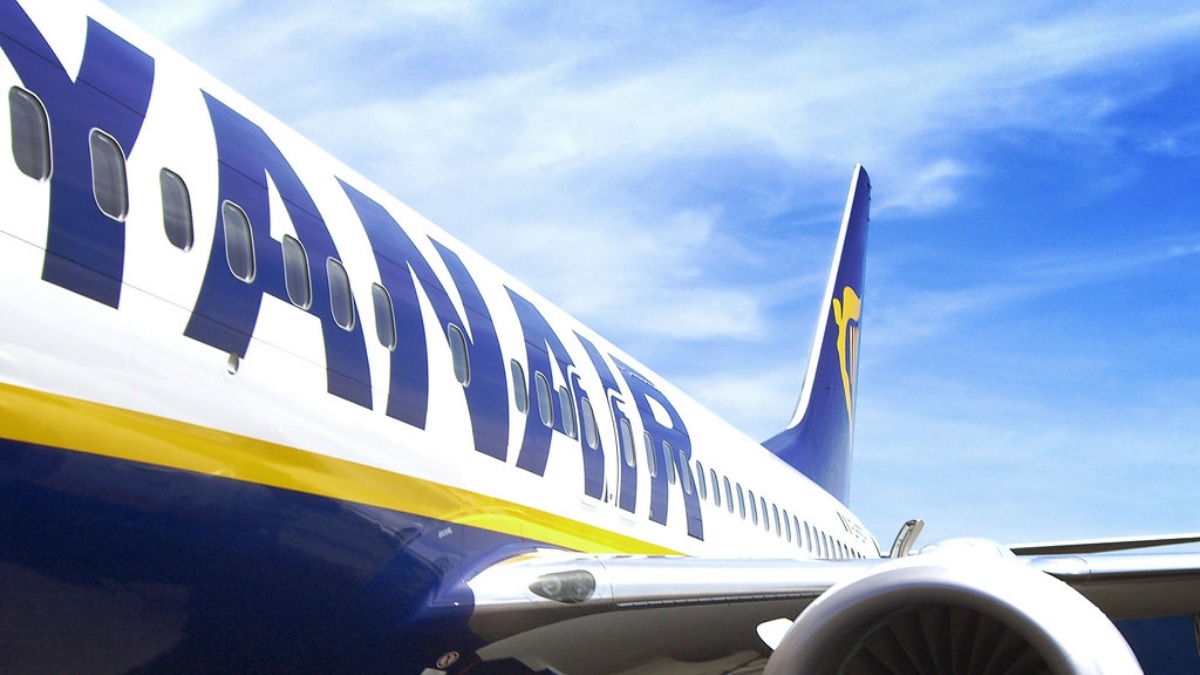
Despite the turbulence, Ryanair and Easyjet have stepped forward to calm worried holidaymakers. Ryanair chief executive Michael O’Leary stated that “the risk of a supply disruption is receding” and that he sees no risk of disruption before the end of June, describing his company as “the best insulated, most hedged airline in Europe.” Easyjet CEO Garry Wilson added that the airline plans to operate a “full schedule” throughout the upcoming season, telling customers they can be confident their holidays will go ahead as planned without any surprise extra payments.
Not every carrier has been able to weather the crisis
British Airways owner IAG has echoed the reassurances from its British rivals, with chief executive Luis Gallego confirming that the group sees “no issues” with fuel availability. IAG acknowledged that higher fuel prices will likely weigh on profits, but Gallego stated that the company remains confident in its business model and its ability to prove its resilience.
The picture is far grimmer for carriers with less financial cushion. The collapse of Spirit Airlines after 34 years of service has sent shockwaves through the industry, putting up to 17,000 jobs at risk, and the airline’s broader fallout has been detailed in coverage of Spirit’s shutdown rippling across aviation.
The carrier began an “orderly wind-down of operations” after a potential bailout package failed, having based its restructuring plans on fuel costs of around $2.24 a gallon at a time when prices had climbed to approximately $4.51 a gallon by the end of April. Transportation Secretary Sean Duffy confirmed the wind-down and warned customers not to go to the airport, noting that reserve funds had been set aside to handle refunds for those who purchased tickets directly from the airline.
Spirit is not the only casualty. British-based Ascend Airways, which had provided services for companies like TUI, entered administration earlier this month, with a company insider citing the fuel crisis as having a “massive effect” on its operations. EcoJet, a UK-based firm that had aimed to become the first electric airline in the world, entered liquidation this week without completing a single flight. The broader list of closures also includes Starflite Aviation, whose license was revoked in March 2026, AlpAvia, a Slovenian charter that shut down the same month due to financial problems, Lufthansa’s subsidiary Lufthansa CityLine, and Air Antilles, which was forced to liquidate in April.
AirAsia owner Tony Fernandes has offered one of the starkest assessments of the crisis, stating that the fuel price spike is having a more significant impact on the industry than the pandemic. “I thought I’d seen it all with Covid but having seen jet fuel go up almost three times, this is much worse,” he said. “You wake up one day and your major cost has tripled.” An airlines trade group CEO has issued similar warnings in a separate assessment of rising fuel costs since the Iran war, urging travelers to book flights sooner rather than later.









Published: May 8, 2026 08:45 pm