



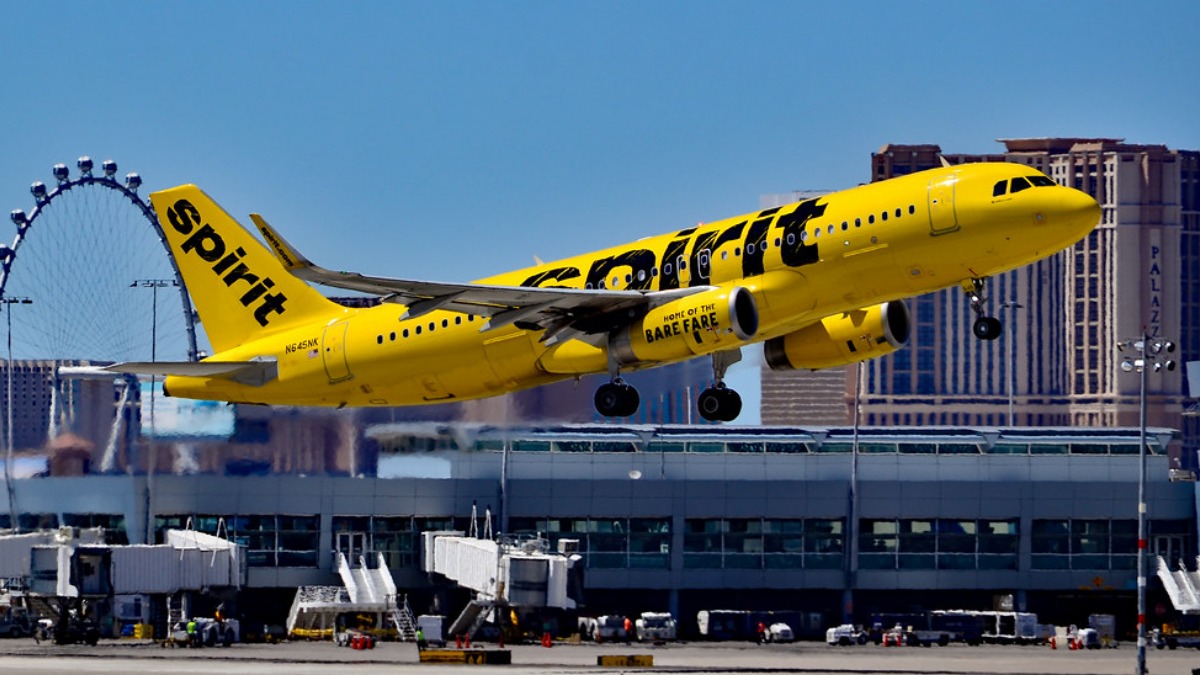

Spirit Airlines officially shut down on Saturday, canceling all remaining flights and telling ticketed passengers not to show up at the airport because their flights would not take off. This abrupt closure marks a massive shift for the aviation industry, as the budget carrier, once a major disruptor, ceases operations following failed bailout talks with the Trump administration.
The administration had floated a last-ditch bailout that would have given the federal government a controlling stake in the airline. But the proposal stalled amid resistance from key creditors, whose approval would have been required for the deal to go through.
The airline confirmed its final decision in a recent press release, noting that despite its efforts, the recent material increase in oil prices and other pressures on the business significantly impacted the financial outlook. With no additional funding available, the company determined it had no choice but to begin this wind-down. This development is already causing ripples across the travel sector, The Hill reported.
Experts are split on exactly how much pain travelers should expect in the coming months
Some industry analysts believe the fallout will be relatively contained, primarily because the airline accounted for just 3.4 percent of the market and had already been shrinking significantly. Clint Henderson, a travel expert at The Points Guy, noted in an interview that the impact will be somewhat muted because the airline had already cut so many flights. Even so, he emphasized that losing a low-cost carrier is generally bad news for the average traveler.
“The bad news for consumers is it takes another low-cost carrier, potentially, out of certain markets. That’s always bad news because even if you were never to fly Spirit, you benefited if they were flying to your market,” Henderson said. He pointed to a specific example from December, when Spirit Airlines stopped flying to Minneapolis.
According to Henderson, Delta Air Lines increased prices almost immediately, in some cases by as much as 50 percent. This dynamic of reduced competition is exactly what has many industry observers worried about the near-term future of ticket prices.
If you are a traveler, you’re already aware that ticket prices have been on an upward trajectory as major airlines struggle to manage higher jet fuel costs amid the Iran war. When you combine those rising operational costs with the removal of a budget competitor, the result is a precarious position for anyone looking to book a flight. Henderson pointed out that we are currently seeing higher fares across the board, along with higher bag fees and airlines cutting capacity. Because there is no slack in travel demand, the current environment is leading to higher prices for everybody.
Despite the immediate concern, there is a belief that the market will eventually find its footing. James Shea, a former president and chair of the American Bankruptcy Institute who worked on airline restructuring in the early 2000s, believes the vacuum left by Spirit will likely be filled.
He explained that no one is going to leave those routes on the table, and he expects other airlines to enter those markets to restore competition. Once that happens, he anticipates prices will eventually come down as airlines compete based on price, service, and flight convenience. Shea noted that he saw a similar adjustment in the mid-2000s, when he was working on the bankruptcy case for National Airlines following the aftermath of 9/11.
For now, the focus remains on the thousands of passengers affected by the sudden shutdown. The airline stated it is refunding all tickets to the credit or debit cards used to purchase them. Additionally, other carriers are stepping in to offer reduced fares to those left stranded. Transportation Secretary Sean Duffy spoke about these efforts Monday on Fox Business Network’s “Varney & Co.”
“We’re talking to the CEOs of other carriers, making sure they’re going to step up and help with special fares for those Spirit customers, those Americans, to get them to their destinations,” Duffy said. He added that while the situation is chaotic, the wind down process is going pretty darn well.








Published: May 5, 2026 12:45 pm