



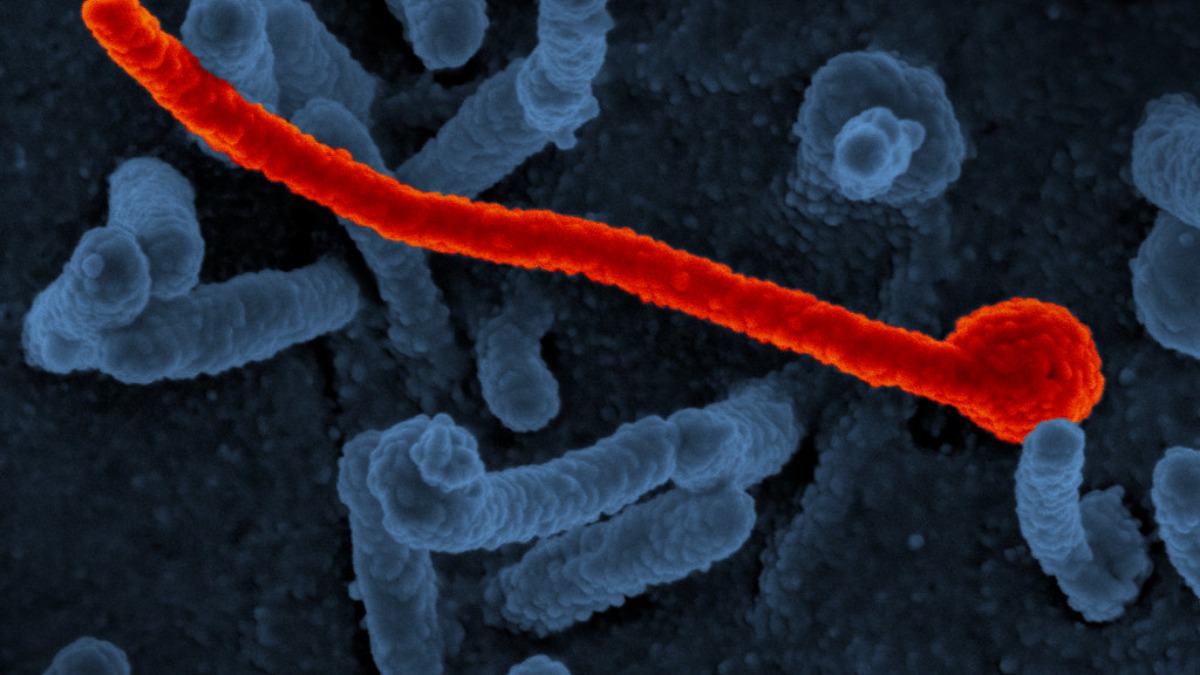

The CDC and the Department of Homeland Security implemented travel restrictions on May 18, 2026, barring entry to the United States for individuals who have recently visited the Democratic Republic of the Congo, Uganda, or South Sudan. The measures are a direct response to the ongoing Ebola Bundibugyo outbreak affecting parts of East and Central Africa. As first reported by UNILAD, citizens of those three nations currently face a temporary ban from entering the country.
The rules are different for those with existing ties to the United States. American citizens, nationals, and lawful permanent residents who have traveled to any of the three affected countries within the preceding 21 days are still permitted to return home, but will face enhanced public health screening and monitoring upon arrival. The CDC has clarified that the restrictions are temporary, currently set to remain in place for 30 days while the agency completes a risk assessment and coordinates with partner agencies.
The outbreak itself is serious and moving fast. As of May 21, 2026, the Ministries of Health in the DRC and Uganda had reported 575 suspected cases, 51 confirmed cases, and 148 suspected deaths, including two confirmed cases and one death in Uganda involving individuals who had traveled from the DRC.
The Bundibugyo virus has no vaccine, and the numbers are climbing
The outbreak was first identified in early May when a hospital in the Bunia Health Zone of northeastern DRC reported a cluster of severe illnesses among healthcare workers. Initial tests came back negative, but genetic analysis later confirmed the presence of the Bundibugyo virus, one of four types of orthoebolaviruses that cause Ebola disease in humans. There is currently no vaccine for this specific strain, and treatment is limited to supportive care. Historically, previous outbreaks of the Bundibugyo virus have recorded death rates ranging between 25 and 50 percent.
President Trump stated he was concerned about the outbreak when asked by reporters, saying “I think that it’s been confined right now to Africa, but it’s something that has had a breakout.” His remarks drew comparisons to his repeated public criticisms of Barack Obama’s handling of an earlier Ebola crisis in 2014, with Trump’s 2014 Ebola criticism now circulating widely online. On May 17, an American who was exposed while caring for patients in the DRC tested positive for the disease and was transported to Germany for specialized treatment, with high-risk contacts also being moved to Germany and the Czech Republic for monitoring.
Travelers permitted to enter the US after being in affected regions should expect a detailed questionnaire on travel history and symptoms, baseline vital checks including temperature screenings, and on-site observation by CDC staff. Those showing no symptoms will receive guidance on self-monitoring for 21 days following departure from the affected countries. Anyone displaying signs of infection will receive a further evaluation by a CDC public health officer, and if that assessment indicates a possible Ebola case, the individual will be transferred to a hospital for isolation. The CDC is working with international partners on disease tracking, contact tracing, and the provision of personal protective equipment in the affected regions.
The federal response draws on existing emergency public health frameworks, including the same Title 42 authority previously used to restrict entry during other health crises. The CDC has also issued travel health guidance for Americans in other high-risk regions, and has distributed clinical guidance to hospitals nationwide to ensure facilities are prepared to handle potential Ebola cases. The current 30-day restriction covers incoming flights, with affected routes directed to Washington Dulles International Airport in Virginia where public health resources are concentrated.
The CDC maintains that no confirmed Ebola cases linked to this outbreak have been reported within the United States, and that the overall risk to the American public remains low.









Published: May 22, 2026 06:30 am