



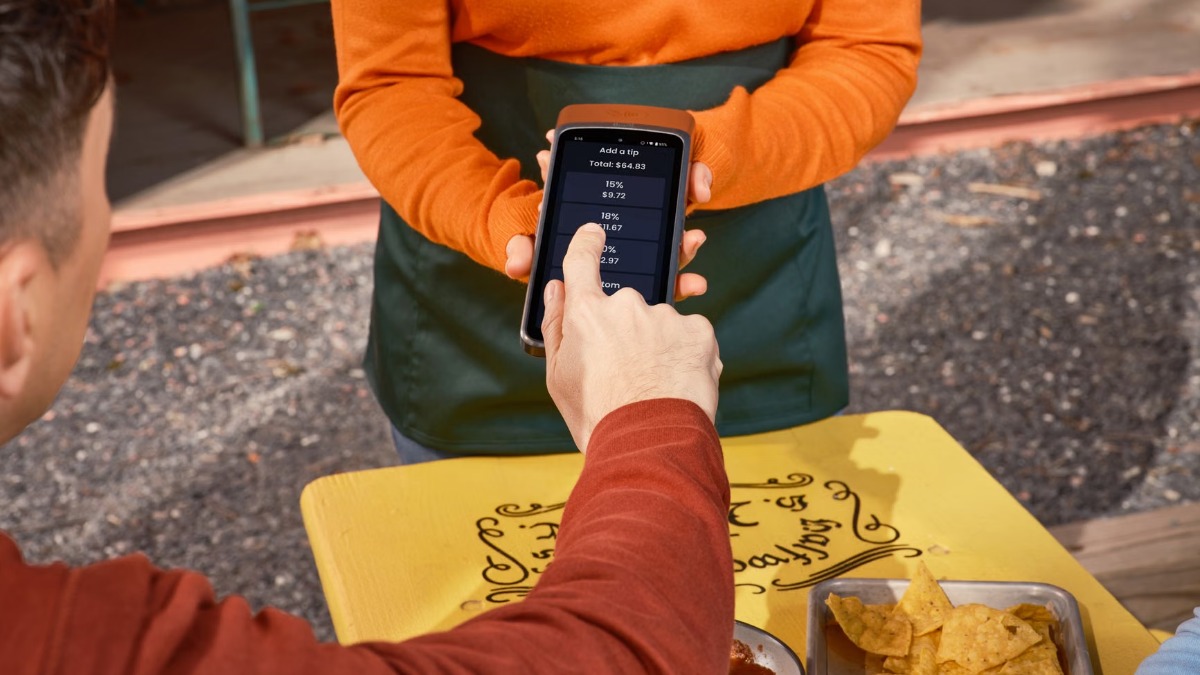

Restaurant servers have found a new way to influence how much money ends up in their pocket, and it starts before the bill even reaches the table. A viral TikTok video breaks down how one server decides between handing over a digital payment tablet or the traditional pen and paper method depending on how he reads a table’s mood.
The story gained traction when reported by BroBible, detailing a video from a server known online as Andrea, or “The Italian Server.” His clip, which has drawn tens of thousands of views, lays out a calculated system built around the Toast point of sale device many restaurants now use for handheld checkout. He said the choice between digital and paper is rarely random.
Andrea explained that when he senses a table might tip on the lower end, he reaches for the Toast handheld. The device’s preset tip buttons typically offer options like 20%, 22%, and 25%, along with custom and no tip selections, and he said guests rarely go out of their way to select something lower while he is standing there.
The strategy flips entirely when a bigger tip feels likely
When Andrea expects a table to tip well, he switches to a paper receipt instead of the machine. He said the paper method removes the ceiling that a screen naturally creates, since a generous guest is not limited to a rounded percentage and can write in any amount they choose.
In a conversation with BroBible, Andrea said he has always found it interesting how technology reshapes traditional service jobs. He added that American diners tend to be generous by nature, and preset screen options can sometimes cap that generosity rather than reflect it. The dynamic mirrors what plays out across other dining-related stories gaining traction online recently, including a viral undercooked chicken complaint that similarly put a spotlight on how restaurant staff handle customer interactions in real time.
Other servers responded to Andrea’s video with their own observations. One noted that Toast handhelds sometimes calculate tip percentages before tax while paper receipts often get tipped on the post tax total, which can change the final payout even at the same percentage. Another said they specifically bring paper to elderly guests who tend to find it easier to use than a digital screen.
Andrea also described a separate approach for large parties that already carry an automatic service charge built into the bill. In those cases, he said he prefers paper over the handheld, since guests rarely add anything extra on a screen once they notice the built in charge, while a paper receipt sometimes leads to a pleasant surprise. Not every dining encounter online has centered on payment tactics, either, as shown by an owner’s surprise gesture that recently went viral for entirely different reasons.
Despite the strategy behind his payment method choices, Andrea maintained that no piece of technology replaces genuine hospitality. He said the biggest factor in securing a good tip remains the quality of service itself rather than which device ends up on the table.





Published: Jul 4, 2026 08:45 pm