



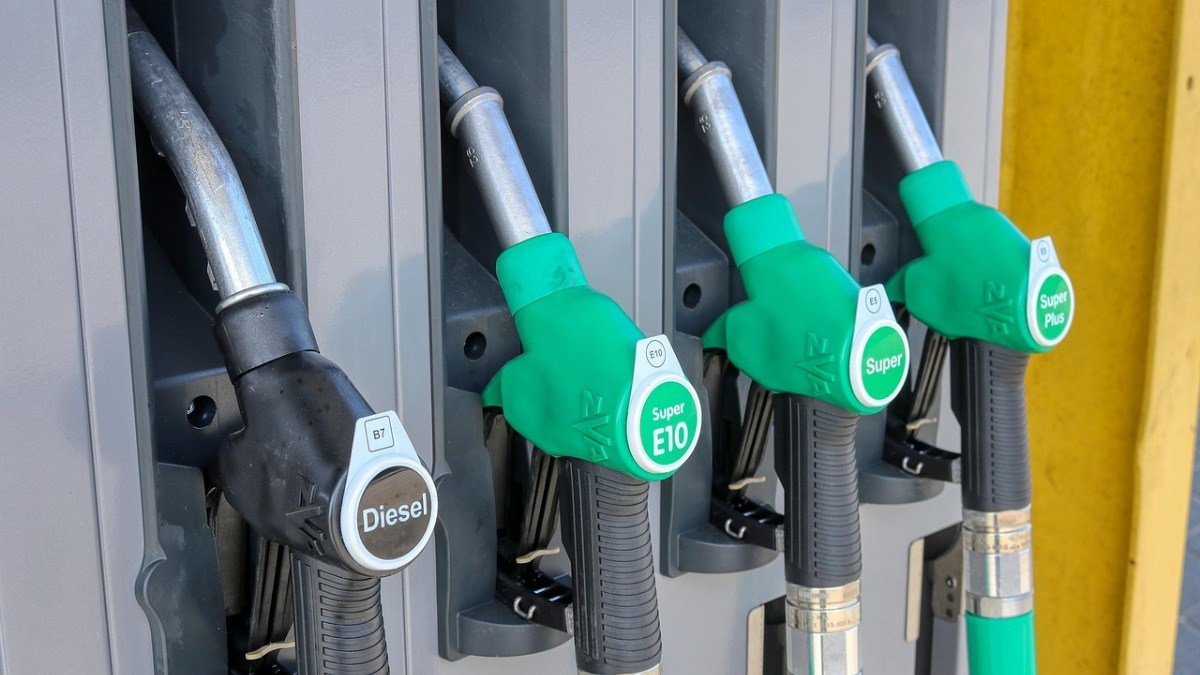

The U.S. average price for diesel climbed to $5.85 a gallon on Friday, a new record, as the six-month war with Iran keeps disrupting global fuel flows. Diesel is the main fuel for freight and delivery fleets, so the increase raises the cost of moving a wide range of goods. Several companies have already started adding extra fees on online orders and mailed packages.
Those higher shipping costs can eventually show up on store shelves. Grocery stores are among the first places shoppers may notice it, especially with produce, meat, and other perishable items that must be restocked often and sometimes harvested with diesel-powered farm machines. The full effect does not always appear immediately.
Analysts said the longer diesel stays this expensive, the more those price increases could build. Trucks, trains, and boats that run on diesel also carry clothing, cosmetics, and furniture, reports the Associated Press.
Refrigerated groceries often absorb diesel costs before other products
The rise in diesel prices could add to political trouble for Republicans before the November midterms. Many voters have already grown unhappy with President Donald Trump’s handling of the economy and with the effects of the war he launched. An AP-NORC poll this summer found that 2 out of 3 U.S. adults disapproved of how Trump is handling the economy.
Gasoline has gone up as well, though more slowly than diesel. AAA reported an average of $4.15 a gallon for regular unleaded, compared with $3.20 at this time last year, and said the price has never topped $4 a gallon on Labor Day.
Diesel now costs nearly 56 percent more than it did just before the United States and Israel began the war against Iran in late February, when AAA put the national average at about $3.76 a gallon. Crude oil, the main feedstock for diesel and gasoline, jumped after supply disruptions in the Middle East, including a backup of tanker traffic in the Strait of Hormuz.
Oil prices eased for a time during summer talk of a possible pause in fighting, then rose again as combat between the United States and Iran intensified. Brent crude, the global benchmark, traded above $95 a barrel on Friday after sitting near $70 before the war. Pump prices usually follow that move.
Drivers and businesses last saw comparable fuel spikes in June 2022, when diesel averaged nearly $5.82 a gallon after Russia’s war in Ukraine and Western sanctions on a major oil producer. Measured in today’s dollars, older peaks were higher. Diesel reached about $4.74 a gallon before the 2008 financial crisis, equal to roughly $7.20 in 2026 under the government’s latest conversion. The 2022 high of nearly $5.82 would be about $6.56 this year after inflation.
Current prices still hurt. Regular gasoline at $4.15 a gallon is up from $2.98 before the Iran war, a gain of more than 39 percent, but it remains below the nationwide 2022 peak of nearly $5.02. Diesel has sold for more than gasoline in the United States for decades and has often climbed faster. Households can sometimes drive less when gasoline is expensive. Freight networks that depend on diesel have fewer immediate options.
Every step of the food system uses diesel, from farm equipment and fishing boats to the trucks and trains that stock stores. The Independent Grocers Alliance, which represents 7,500 supermarkets worldwide, estimates that fuel accounts for 15 percent to 30 percent of food costs. Higher diesel prices, therefore, tend to lift grocery bills, though the change can lag.
Foods that must stay cold while they travel often move first, said David Ortega, a professor of food economics and policy at Michigan State University. Overall grocery prices in July were 2.7 percent higher than a year earlier, while seafood rose 7 percent and fresh fruit rose 4.9 percent. Other forces can offset the fuel effect. Lettuce faced higher haul costs in July, but prices fell after demand dropped during a Cyclospora outbreak.
If diesel remains elevated, more of the burden may reach shoppers. “Early on, much of the cost increase gets absorbed along the supply chain through existing freight contracts and retailer margins,” Ortega said. “But as contracts reprice and fuel surcharges take hold, more of that cost makes its way to the grocery store.”
Amazon in April placed a temporary 3.5 percent fuel and logistics surcharge on some third-party sellers. UPS, FedEx, and the U.S. Postal Service also added fees on certain packages earlier in the war and pointed to rising fuel costs. It continues to ripple through the economy, as former President Trump has called for an investigation into why gas prices remain high.
Ajesh Kapoor, chief executive of trucking technology firm SemiCab, said carriers can adjust to higher diesel prices only so far. “Diesel price has a very, very direct impact on everything that moves on pretty much any mode,” Kapoor said.
The impact is not limited to store goods. Some city buses and trains run on diesel, and diesel generators often supply backup or emergency power. Analysts said African and Asian countries that rely more heavily on Middle East imports have already taken a larger hit.
Global Petrol Prices data show diesel in Nigeria up 90 percent since late February, with Indonesia near 87 percent and Lebanon at 77 percent. Local taxes and economic conditions make pump prices differ widely. Nigeria’s average at the end of August was $4.91 a gallon. Hong Kong posted the highest figure in that dataset, with diesel up more than 25 percent during the war and averaging $17.73 a gallon on Monday.
Neil Atkinson, an energy analyst and senior fellow at the National Center for Energy Analytics, told a Lloyd’s List Intelligence briefing that diesel and similar products are getting costlier even as physical stocks shrink. He cited strain on the world’s refining system. “This cannot go on forever,” he said. The Iran war has had an adverse effect on diesel prices, and prices hit high levels earlier as well.






Published: Sep 5, 2026 10:00 am