



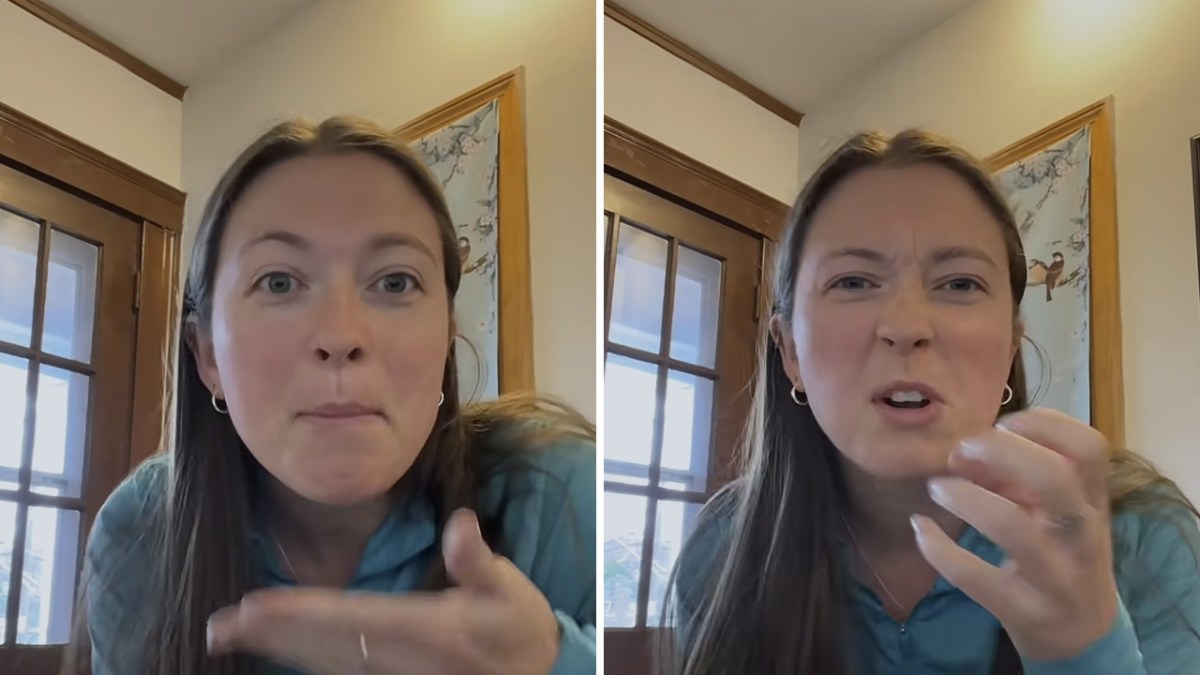

A TikTok user who goes by @poorandhungry has reignited debate over tipping culture after sharing a trip to Ben & Jerry’s for a single $2 waffle cone. She said the payment terminal asked for a tip on what was essentially a 10-second transaction.
As detailed by The Daily Dot, the video has drawn hundreds of thousands of likes. The creator explained that she asked for the cone, the cashier handed it over, and she went to pay by card. When the tip screen popped up, she felt the suggested amounts were unreasonable for such a small purchase.
She chose the no tip option and said the cashier’s reaction was noticeable. The moment became the focal point of a wider argument about whether customers should feel social pressure to pay extra for standard counter service.
Plenty of commenters have run into tip screens in stranger places
The comments section filled with stories of tip prompts in places disconnected from traditional tipping, including self-service frozen yogurt shops, convenience stores, and sporting events. One user mentioned seeing a tip prompt while buying mason jar lids online, while another said a Starbucks gift card purchase triggered one. Others reported seeing them at self-checkout machines and during takeout pickups.
Some commenters pointed out that workers often have no say in the matter. A Starbucks employee said they feel uncomfortable when the screens appear because they don’t want customers to feel pressured.
Staff members typically have no control over the payment software their employers install. The spread of point-of-sale tablets and digital kiosks has made it easy for businesses to add the prompts, and an Arkansas man recently raised questions about a Texas Roadhouse tablet’s suggested tip on his own bill.
The situation reflects what has been dubbed tipflation, the expansion of tipping requests into nearly every type of transaction. Data from the Pew Research Center shows that 72% of U.S. adults say tipping is expected in more places today than it was five years ago. The adoption of new payment technology after the COVID-19 pandemic, along with labor shortages and inflation, has changed how Americans pay for goods.
The same survey found that about 40% of U.S. adults oppose businesses suggesting tip amounts, while only 24% favor the practice. Adults 65 and older are the most opposed, with nearly half expressing a negative view. Views among adults under 30 are split fairly evenly between those who favor, oppose, or feel neutral about the suggestions.
Automatic service charges are even less popular, with 72% of Americans opposing businesses adding a fixed-rate charge to the bill. Unlike tips, which must go to employees by law, service charges are often kept by the business to cover its own costs or overhead.
Attack of the Fanboy was unable to independently verify the cashier’s side of the interaction, as the account originates solely from the creator’s TikTok video.





Published: Oct 7, 2026 01:30 pm