



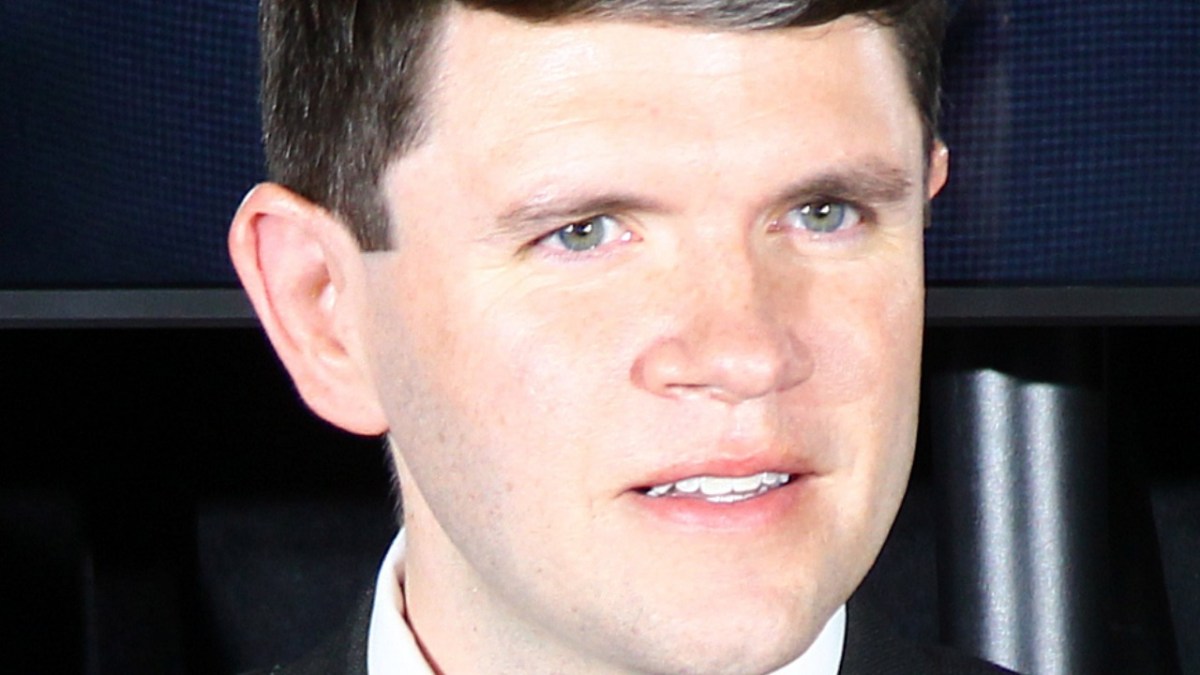

Right-wing online personalities have put forward an allegation that Texas Senate candidate James Talarico spent time at the Lindner Center of Hope, a psychiatric facility in Ohio, even as he told voters he was dealing with the flu. Nick Sortor, one of the main voices pushing the story, described the flu account as a “BIG FAT LIE.”
The claim drew rapid attention from high-profile accounts. Elon Musk responded to Sortor’s post with two exclamation points and also charged that Talarico’s campaign had been dishonest. Richard Grenell pointed to campaign staff as having hidden information, while Eric Daugherty urged Talarico to exit the race.
Support for the allegation came from a recording the influencers said captured a conversation with someone at the hospital. They described the call as taking place on the evening of October 10, with the person on the line indicating a discharge that same evening. Rhein Amacher noted that an earlier attempt to reach the facility failed because he lacked a required code.
Public schedule and hospital response undercut the central allegation
The Lindner Center of Hope later released a direct statement rejecting the claim entirely. “Representative James Talarico has never received treatment from Lindner Center of Hope,” the hospital said.
That denial sits alongside a clear mismatch with Talarico’s known whereabouts. On October 9 the Texas Tribune reported that he had resumed campaign events in Austin after the flu. The smear campaign has reached beyond Texas, as when Tim Scott declared that James Talarico must be stopped in Michigan.
He was also photographed at the Austin City Limits festival interacting with attendees that same day, and appeared with singer Kacey Musgraves on October 10.
The facility’s own rules require anyone asking about a patient to supply a four-digit code the patient selects. Amacher has said his first call stopped short for that reason. Later accounts of the calls have left open questions about whether an invented code was offered and what exactly was told to staff members.
According to MeidasTouch, Federal rules can carry penalties when someone knowingly seeks protected health information by misrepresenting who they are. Publishing untrue statements of fact that damage a public figure’s reputation can also open the door to defamation claims, though those require showing the publisher knew the statement was false or acted with reckless disregard. Nothing in the public record so far establishes that either standard has been met.
Sortor has said he checked with a lawyer in the early hours to confirm the calls would not run afoul of privacy statutes. In a separate reply to critics, Amacher wrote, “Nah, public humiliation is the end goal here.”
An account operating under the name Tickle shared material that it presented as evidence of a private flight tied to Ohio. The profile image attached to that account was later scored by an AI detection tool as 97 percent likely to have been generated by artificial intelligence, although the score alone does not prove the image is synthetic.
Talarico has kept campaigning and has repeatedly invited Republican Ken Paxton to debate. Paxton has turned down the invitation for more than 85 days. When online voices demanded proof he was still alive, Talarico answered, “I’ve heard credible reports that Ken Paxton has a serious medical condition that causes clinical levels of cowardice.” He continued, “He asked for proof of life from me. I’m asking for proof of spine from him.”
Still unsettled are the precise identity of the speaker on the circulated recording, whether the audio itself is genuine, the exact wording used with hospital employees, and any independent checks the promoters performed before posting. Those open points center on how the allegation was assembled and spread rather than on any verified treatment history for the candidate.





Published: Oct 12, 2026 01:15 pm