



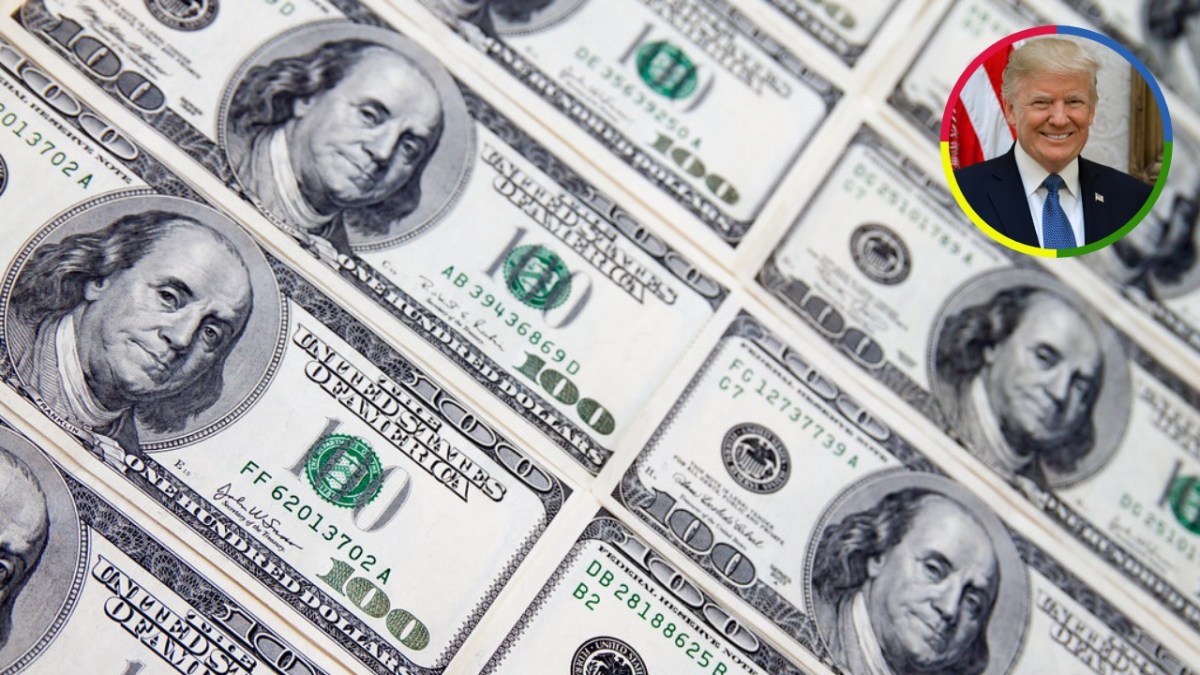

Foreign students on F-1 visas are expected to pay about $500 to participate in U.S. work training programs. The Department of Homeland Security has proposed a fee of at least $70,000 for that training, as reported by Reuters. The proposal is part of President Donald Trump’s administration’s efforts to place tighter restrictions on foreign visa holders.
Under the current system, foreign students on F-1 visas can take part in Optional Practical Training, or OPT, which allows them to work up to 20 hours per week during the school year and for a limited period after graduation. Graduates with STEM degrees are currently granted additional time. The new proposal would also add a $30,000 charge for any further work training, which could bring one student’s total to $100,000.
Certified schools would have to pay the fee before recommending a student for OPT, the Department of Homeland Security said in its announcement. However, the proposal says schools could pass that cost on to students or employers. The Department of Homeland Security stated that the rules are meant “to combat fraud, strengthen the integrity of the immigration system, and protect US workers.”
Homeland Security says the fee is about stopping fraud
The agency said the fees would ensure everyone involved in OPT is engaging in activities consistent with F-1 nonimmigrant status. It warned that without the fees, it may shut the program down entirely. These training programs often serve as a bridge for international students looking to move into roles under H-1B visas. More than 294,250 students took part in OPT in the 2024-25 academic year, per the Institute of International Education.
As the Trump administration has already increased H-1B program fees, the OPT proposal follows a similar approach. The H-1B program has long been a pathway for scientists and engineers from countries like India and China to turn an education at American universities into careers in the US. Many of them later move on to permanent residency. Tech companies in the country hire these graduates in large numbers.
During the 2024 campaign, President Donald Trump suggested a different approach, vowing to make it easier for foreign students to stay in the country. He proposed that these students receive a Green Card automatically upon graduation. However, the Department of Homeland Security proposal moves in the opposite direction, as staying to work would cost far more. The fee proposal comes while the Department of Homeland Security faces scrutiny over its enforcement work on other fronts.
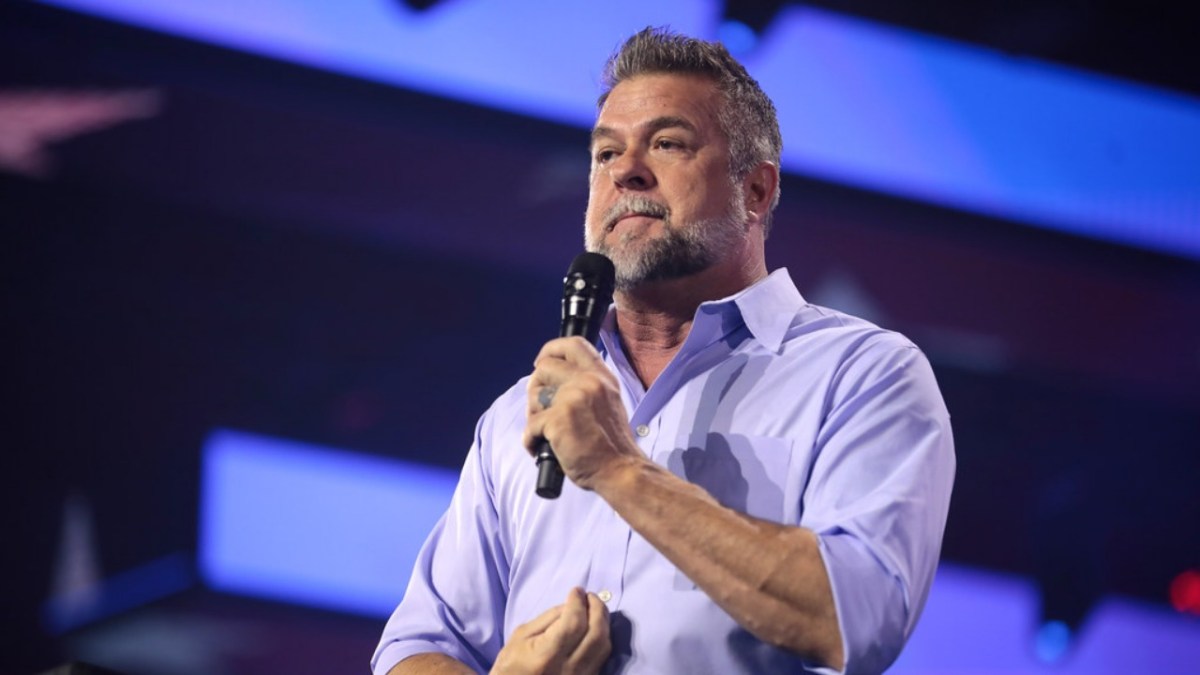
Doug Rand, director of the Talent Mobility Fund, which works to attract foreign STEM professionals, expects it to struggle. “This proposed rule isn’t going to fare well in the courts, just as the 100k H-1B fee and other restrictionist policies have been struck down,” Doug Rand wrote on LinkedIn. Legal challenges are likely, as similar proposals have faced them.
The proposal is open for public comment for 30 days before it can be finalized. If the rule moves forward, the Department of Homeland Security has stated that it will wait 60 days after finalization before putting it into effect.





Published: Oct 8, 2026 09:45 am