




Berkeley, California, has issued a serious public health alert about a dangerous outbreak of leptospirosis, a bacterial disease that can be deadly. The disease spreads through rats and has been confirmed in multiple rats and at least two dogs in the San Francisco Bay Area. Local officials are taking urgent action to stop the outbreak.
According to Newsweek, the main area of concern is near the Harrison Street encampment, located right by Codornices Creek. Health officials have marked this entire area as a “red zone.” Leptospirosis is caused by leptospira bacteria, which spreads when urine from infected animals, usually rats, gets into the soil and standing water around the area.
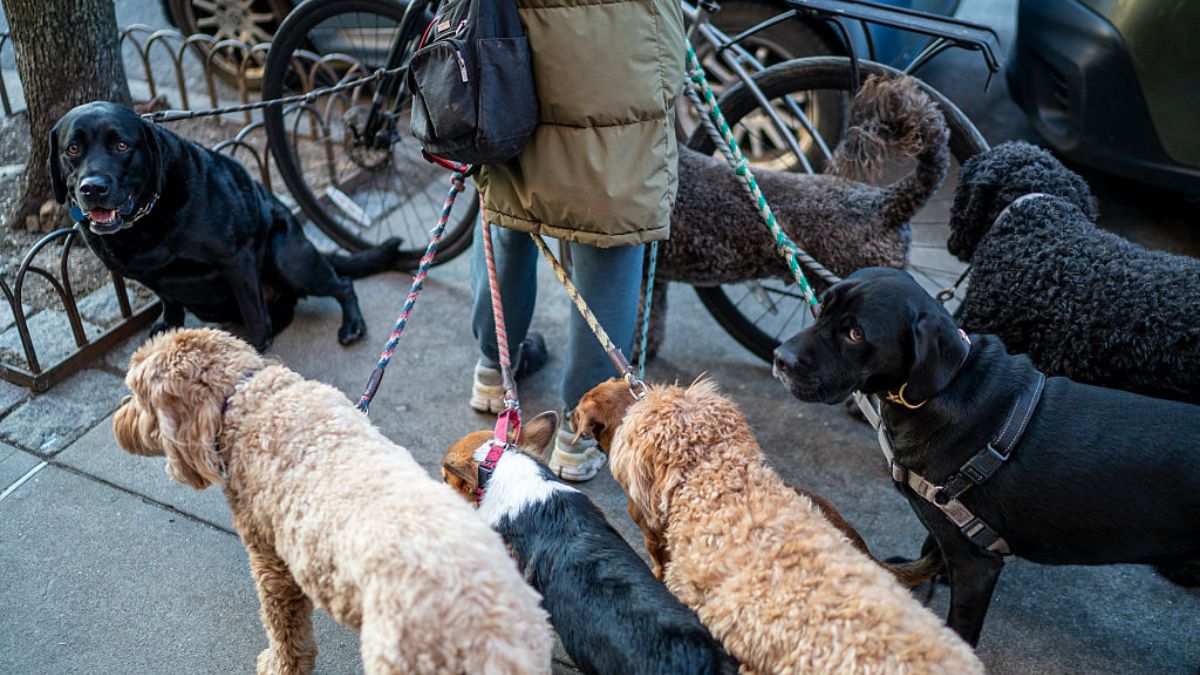
Dogs are at the highest risk of catching this disease. Infectious disease doctor Dr. Monica Gandhi explained why dogs face such a big threat. She said dogs don’t avoid puddles like people do, so “They’re much more likely to be exposed.” This is bad news for pet owners in the Bay Area.
Recent weather conditions created the perfect environment for bacteria to spread
Infectious disease expert Dr. Peter Chin-Hong said the city has had a “bad setup” lately. Warm weather followed by heavy storms created ideal conditions for the bacteria to survive and spread. The bacteria can stay alive in soil or water for up to a month, so the danger continues even after the rain stops.
Officials are asking residents of the encampment to move at least one-third of a mile away so cleanup, environmental testing, and rat removal can begin. The city expects these activities to take at least 30 days, which is about how long the bacteria can survive outside. Getting rid of the rat population takes time and requires multiple cycles of putting out bait in their burrows, removing dead rats, and putting out more bait.
Pet owners in the area need to take steps to protect their animals. The city strongly recommends that all dogs get vaccinated against leptospirosis, and owners of outdoor cats should also consider getting them vaccinated. While this outbreak focuses on dogs, pet owners should stay alert to any unusual behavior their cats display, as early detection of health issues can prevent costly veterinary emergencies.
Berkeley’s public health officer, Dr. Noemi Doohan, gave clear warnings: “Neither dogs nor people should wade in, or drink from, nearby water, mud, puddles, or Codornices Creek. Provide clean water for your pets, and keep them away from sick or dead animals.” Pet safety extends beyond disease prevention, as owners should also be aware of unexpected household dangers that threaten pets to keep their animals safe at all times.
People can also get infected if contaminated water or soil touches cuts, eyes, the mouth, or mucous membranes. However, Dr. Gandhi confirmed that there is “no human-to-human transmission,” so each person must be exposed directly to infected animal urine or contaminated areas to catch the disease. If you’ve been in the Harrison Street area and develop flu-like symptoms like fever, chills, headache, muscle pain, or red eyes, seek medical care immediately and mention possible leptospirosis exposure.
For dogs, watch for vomiting, jaundice, or unusual urination, and take them to the vet right away if you see these signs. The incubation period can be long, so people “may not remember that exposure,” which is why doctors need to ask about contact with contaminated places.








Published: Jan 17, 2026 04:45 pm