



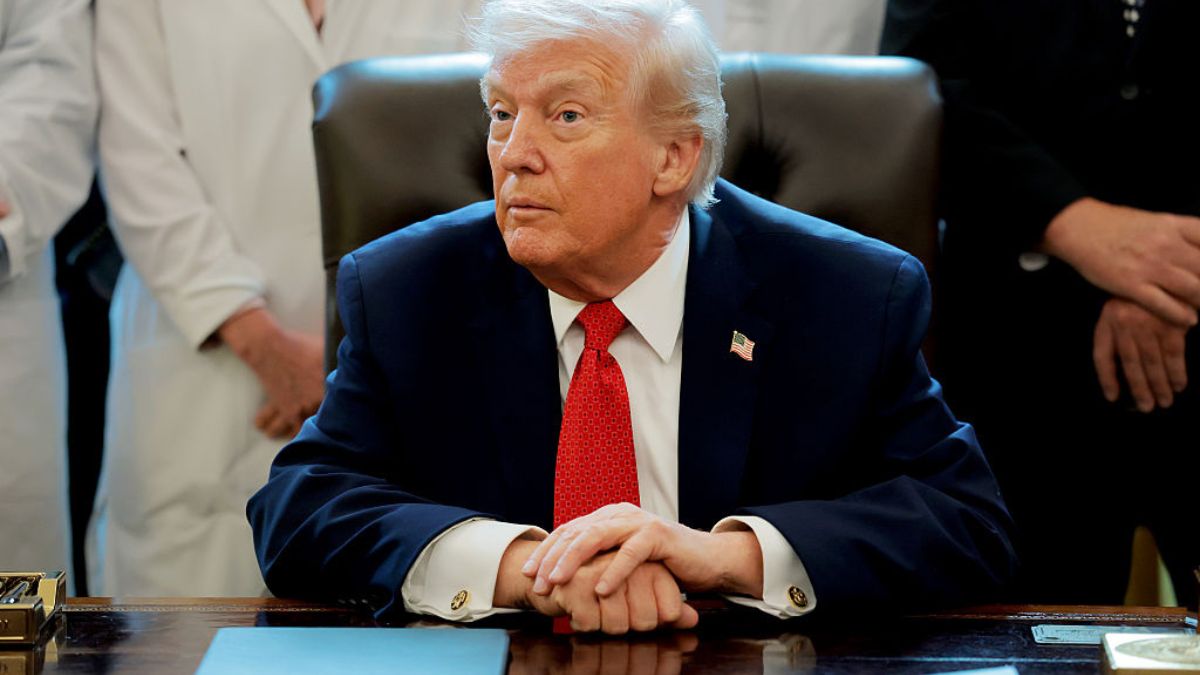

Democrats are rallying around a single word, affordability, as they attempt to turn voters against President Trump ahead of the November midterm elections. Lowering the cost of living has become the centerpiece of their messaging, shaping press conferences and legislative priorities.
The Guardian pointed out that the shift marks a reversal from just a few years ago, when Democrats struggled to respond to the pandemic-driven inflation that defined much of former President Joe Biden’s term. Party leaders now see an opening in President Trump’s failure to meet his campaign pledge to reduce prices “on day one.”
Inflation has cooled from its mid-2022 peak, but prices are still rising above the Federal Reserve’s target. The consumer price index showed a 2.7% annual increase in November, and public frustration remains high, with a December poll placing approval of Trump’s handling of the economy at 36%, the lowest since the survey began.
Affordability is emerging as a political pressure point
Political scientists say the issue represents a clear vulnerability for Republicans. Marc Hetherington of the University of North Carolina at Chapel Hill said the GOP promised prices would fall under its leadership, but that outcome has not materialized.
That pressure has already shown itself in Congress. Seventeen House Republicans joined Democrats last week to pass a three-year reinstatement of premium tax credits for Affordable Care Act health plans, reversing earlier opposition from Speaker Mike Johnson, who had said such legislation would not reach the floor.
Representative Brian Fitzpatrick said lawmakers faced a choice between allowing the credits to expire or extending them outright. He argued that a clean extension was the more responsible option and ultimately pursued that path.
House minority leader Hakeem Jeffries pointed to the vote as evidence that Democrats’ approach is working. He said the party is “governing as if we’re in the majority” during what he calls an affordability crisis, a phrase he repeats in response to Trump previously dismissing such concerns as a “hoax.”
Senate minority leader Chuck Schumer has pledged that healthcare costs and affordability will dominate Democratic messaging throughout 2026. He contrasted that focus with Republican priorities, saying Democrats are working to lower everyday costs while Republicans remain focused on cultural flashpoints, including controversies like Bill Maher rejecting Golden Globes activism and drawing backlash on stage.
Outside organizations are also investing heavily in the issue. Leor Tal of Unrig Our Economy said her group spent $10 million last year urging constituents to pressure Republican lawmakers over rising costs, including groceries and healthcare.
Republicans are banking on upcoming tax refunds to shift public sentiment. Speaker Johnson has promoted provisions passed last summer under the One Big Beautiful Bill Act, now rebranded as the Working Families Tax Cut, promising significant refunds for American families.
Absent a clear turnaround on prices, Republicans have continued to emphasize other issues, including Trump pushing military spending past the $1 trillion mark and allies framing it as a message to the world, even as domestic costs remain elevated. Political science research suggests those efforts may have a limited impact, as voters tend to punish the party in power for inflation regardless of its origins.








Published: Jan 13, 2026 09:45 pm