



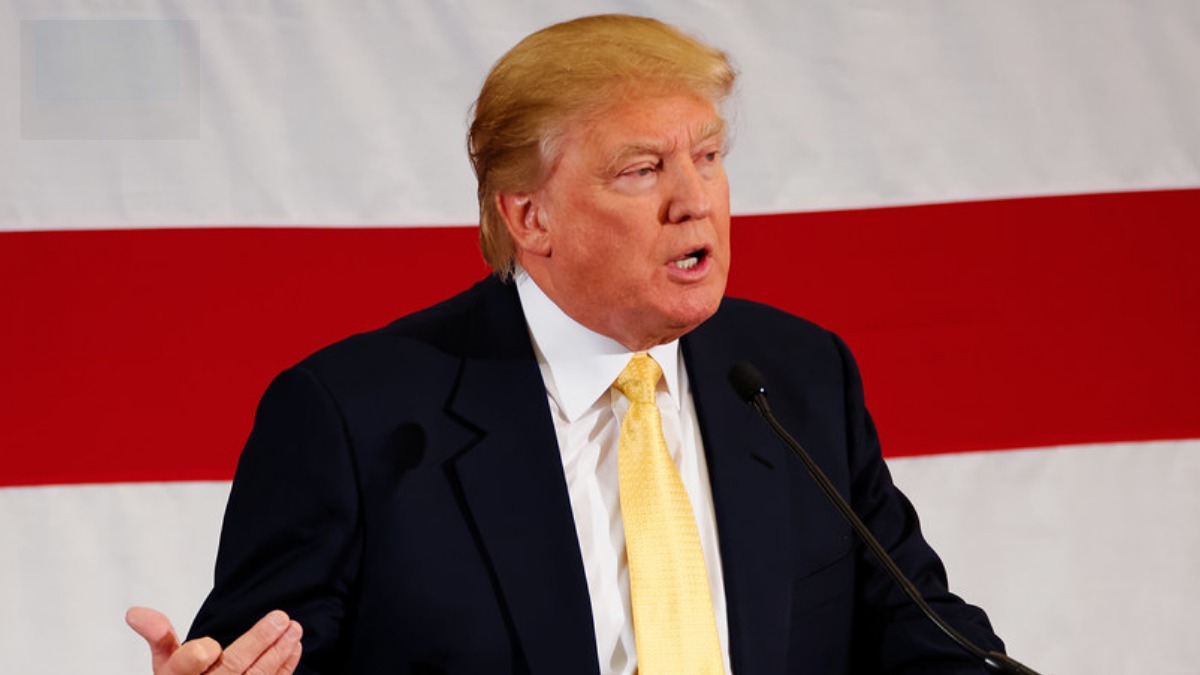
President Trump announced Monday that he will be issuing a “ONE RULE Executive Order” this week, aimed at blocking state-level AI regulations and ensuring that the U.S. maintains its lead in technology, according to The Hill. He argues that this patchwork of state laws will completely derail innovation before it even gets off the ground.
Trump took to Truth Social to lay out his reasoning, making it clear that he views state involvement as an immediate threat to the industry. “There must be only One Rulebook if we are going to continue to lead in AI,” he wrote. He didn’t mince words about the risk, warning that without a unified approach, “AI WILL BE DESTROYED IN ITS INFANCY!”
It’s understandable why he’s stressing the urgency. The U.S. is currently dominating the global AI race, but that lead is fragile, especially as we compete with China despite Trump’s message about cooperation with the country. The president stated directly that you can’t expect companies to navigate endless bureaucracy, writing, “You can’t expect a company to get 50 Approvals every time they want to do something. THAT WILL NEVER WORK!”
The key dilemma is between breakneck innovation and necessary safeguards
While the final text of the executive order is still unknown, we have a pretty good idea of what the administration is aiming for. That earlier draft would have established a new task force specifically dedicated to challenging existing state AI legislation. Even more impactful, it would have restricted certain federal broadband funding for any state whose AI laws were deemed “overly burdensome” by the White House.
The timing of this executive order isn’t accidental. It comes right after a major legislative effort to achieve the same goal failed in Congress. House GOP leadership had been pushing hard to include a provision in the must-pass National Defense Authorization Act, or NDAA, that would have barred state AI laws outright.
Republican leaders reportedly urged President Trump to delay his executive action while they attempted that last-minute push. However, House Majority Leader Steve Scalise indicated last week that the effort had fallen short, noting they were “looking at other places” for the AI provision. Sure enough, the preemption provision was completely absent from the final negotiated text of the NDAA released late Sunday. That failure likely paved the way for the president to move forward unilaterally with the executive order.
It turns out that this concept of a single federal rulebook is causing a significant rift within the Republican party itself. The Trump White House and many GOP lawmakers argue that the most important thing is speed and competitiveness. They believe a fragmented set of state laws will absolutely disrupt innovation, giving countries like China a major advantage.
However, a vocal group of Republicans is opposing the push entirely, citing states’ rights. Lawmakers like Rep. Marjorie Taylor Greene, who has opposed President Trump within the party, and Sen. Josh Hawley argue that preempting state laws is a federal overreach. They worry that blocking local rules could disrupt key state protections that are already in place against the potential downsides of AI.




Published: Dec 8, 2025 05:00 pm