




The Israeli military has carried out a series of airstrikes on Iran. This is a major step up in tensions in the Middle East, as the two countries trade fire for the first time since their ceasefire on April 8. The strikes took place early Monday morning. They came after an Iranian missile attack on northern Israel that set off sirens and forced people in Jerusalem to take cover.
According to The Guardian, the Houthi rebels in Yemen have also joined in. They said they launched a missile attack on Israel on Monday and announced a full ban on Israeli ships in the Red Sea. This move threatens to disrupt major trade routes and puts more pressure on an already unstable region.
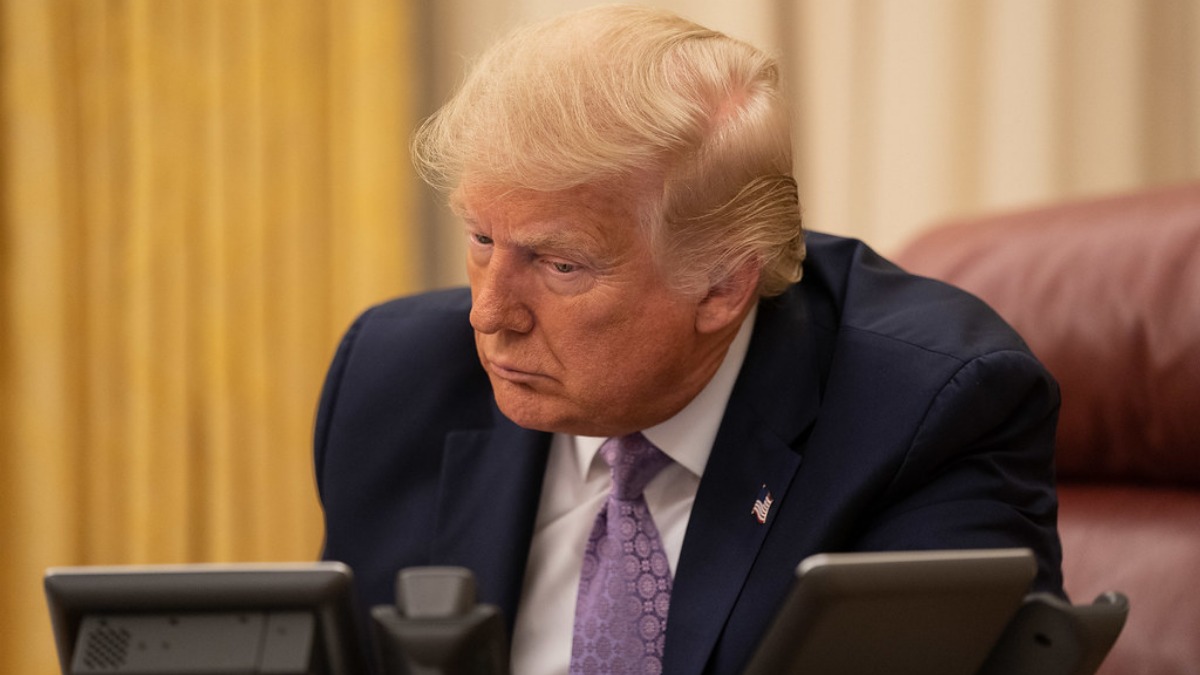
The strikes appear to go against the clear wishes of President Donald Trump. A senior US official said Trump had spoken with Israeli Prime Minister Benjamin Netanyahu right after the first Iranian missile strikes to urge him not to hit back. The president reportedly believed he had convinced Netanyahu to wait for now.
A US official says Trump had asked Netanyahu to hold off before the strikes went ahead
Trump had earlier told the Financial Times that he calls all the shots, not Netanyahu, and that the Israeli leader would not have any choice in how the war is carried out. On Monday, Trump wrote on his Truth Social platform: “Israel and Iran must immediately stop ‘shooting’. President DONALD J. TRUMP.”
The Israeli military went ahead with the strikes anyway. These included an attack on an Iranian petrochemical complex. The military also said it took apart Iranian defense systems in several parts of the country. Tensions with the US have surfaced in other ways too, as the Pentagon reportedly raised its threat level over spying concerns.
Iranian state television reported explosions in Isfahan, Karaj, Tabriz, and Tehran. The Islamic Revolutionary Guard Corps claimed that Israel used air-launched ballistic missiles during the operation. Iranian officials are voicing strong doubts about the US role in these events.
Esmaeil Baqaei, a foreign ministry spokesperson, said, “No one believes that the Zionist regime would carry out any action without prior coordination and cooperation with the United States.” The White House has stayed silent on the matter, but some observers in Iran are pointing to claims that US warships in the eastern Mediterranean took part in the attack.
These accusations add further trouble to the already stalled peace talks that Trump has suggested could wrap up within days. The instability is already showing up in the economy. Brent crude rose $3.50 to $96.59 a barrel on Monday, and stock markets across Asia fell sharply during early trading.
The uncertainty around these military exchanges is weighing on global markets as the region faces the fear of a return to full-scale war. The mood in Tehran remains tense. Some hardliners in the Iranian parliament are already pushing leadership to drop diplomatic talks entirely.
The strikes also follow reports that Israel continued attacks on Lebanon despite a ceasefire. With both sides now trading strikes, the diplomatic process meant to end the war faces major obstacles, and the path toward a stable ceasefire looks increasingly shaky.









Published: Jun 8, 2026 10:45 am