




NBC News reports that the Pentagon has raised its counterintelligence threat level regarding Israel to critical. The change came after the Defense Intelligence Agency found that Israeli spying aimed at the United States had become much more aggressive than what is normally expected between allies.
The internal message, which was seen by a current official, was sent out in recent weeks. It is backed by a seven-page document that includes a detailed chart laying out these concerns. According to the document, Israel’s ability to carry out both human spying and technical collection is currently at a critical level. This change in status comes during rising tensions between the United States and Israel over the ongoing conflict with Iran.
There are specific worries inside the Pentagon that Israel is making a focused effort to watch top U.S. officials. The aim appears to be gathering information on the private discussions and decision-making of the Trump administration regarding Middle Eastern conflicts. As one current official noted, the U.S. already takes extra care when visiting Israel because they are well-known to collect aggressively.
Israeli Embassy and White House officials denied the spying claims
In response to these reports, a spokesperson for the Israeli Embassy in Washington, D.C., stated, “It is completely false that Israel spies on the U.S.” The spokesperson further added, “Israel does not gather intelligence on American entities, let alone US government officials. Israel intelligence collection efforts are aimed at its enemies, not its allies. Any claims to the contrary are either misinformed or politically motivated.”
A White House official also commented on the matter, saying, “This entire story is false and sourced to someone who doesn’t have any knowledge of what’s going on.” The handling of such sensitive matters comes as the Pentagon has faced separate scrutiny, including reports that it barred reporters from its press office.
Despite these denials, U.S. officials are now expected to take even more care. This includes being extra careful when traveling to Israel or meeting with Israeli officials. In the past, high-level officials have already taken steps such as using burner phones and computers, or being very cautious when speaking in hotel rooms during official trips to the region.
Emily Harding, who serves as the vice president of the Defense and Security Department at the Center for Strategic and International Studies, described the situation by saying that Israel has “a hyper-aggressive intelligence service.”
She added, “They are exceedingly interested in what we are up to.” Questions about who handles classified material have surfaced before, including reports that the Pentagon hired a convicted Jan. 6 rioter for an office dealing with such information.
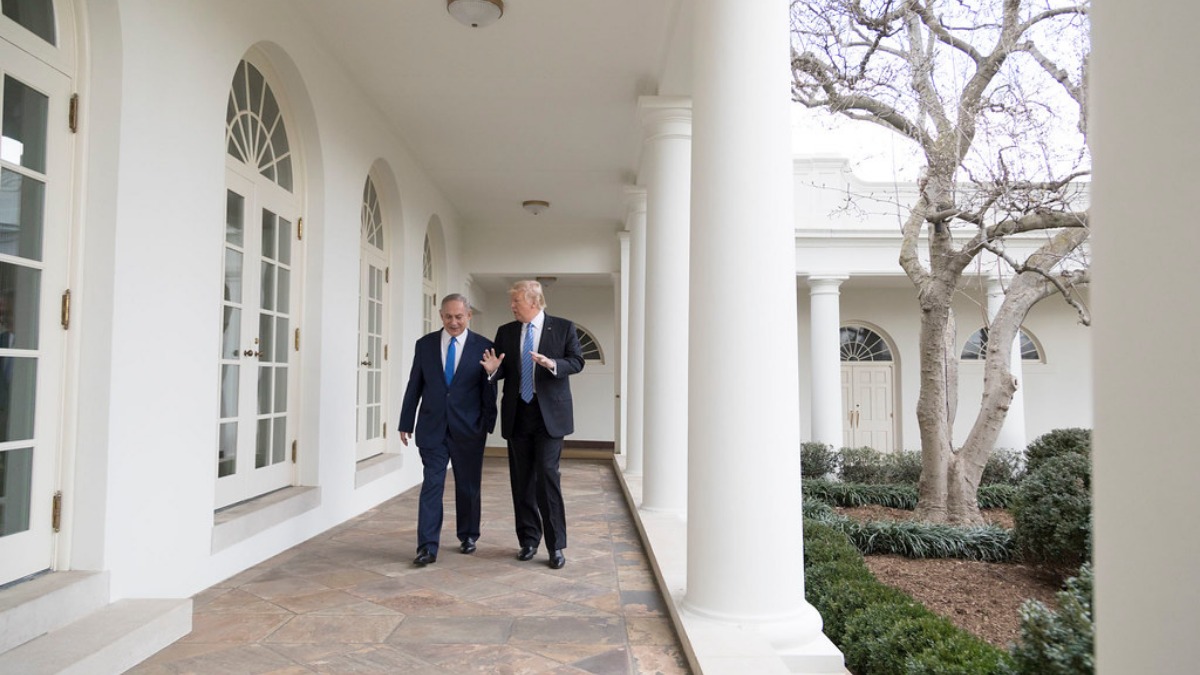
This raised alert comes during a period when President Donald Trump and Israeli Prime Minister Benjamin Netanyahu have been clashing over military operations in Lebanon and the war with Iran. The two leaders reportedly had a tense phone call just this past week. Trump later told reporters that he called Netanyahu “crazy” during that conversation.
While this new designation is serious, it does not appear to be affecting the daily intelligence-sharing between the two countries. This relationship remains a key part of their partnership, especially regarding the Iran war.
Even though spying between allies is not unheard of, officials are worried that these specific activities at such a sensitive time could weaken the trust between the two governments. As of June 6, 2026, the Pentagon has declined to comment further on the internal assessment.









Published: Jun 7, 2026 05:45 am