



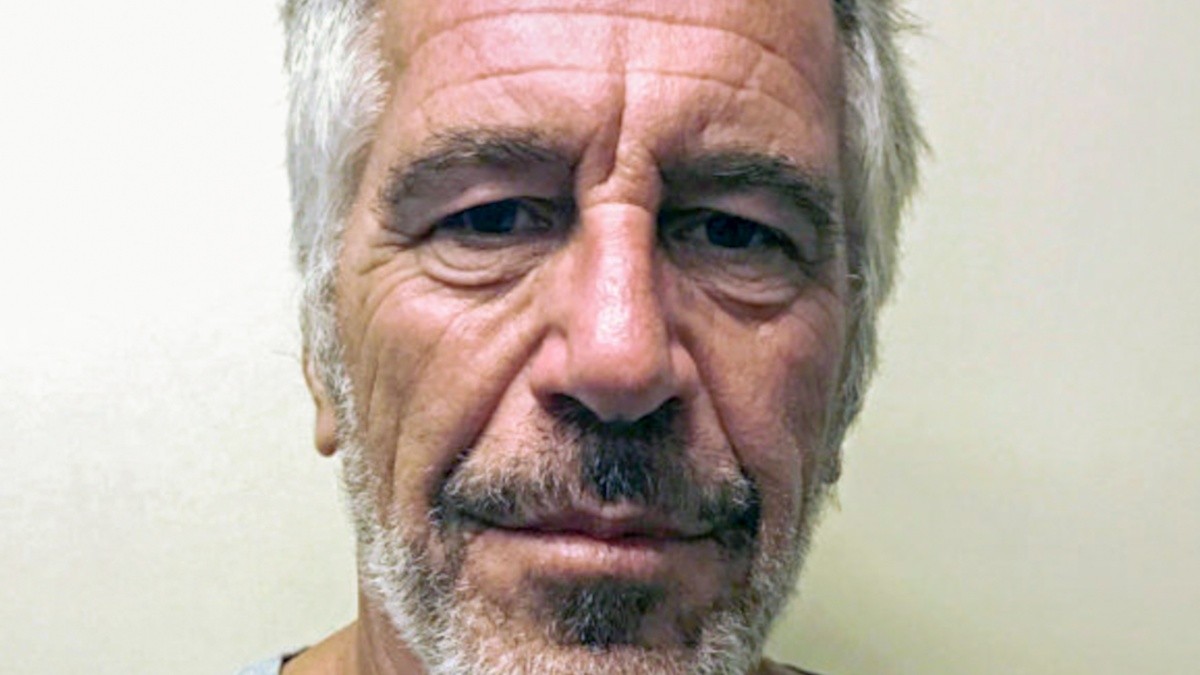

New documents recently released under the Epstein Files Transparency Act confirm the horrific truth: Jeffrey Epstein’s ability to avoid serious punishment for two decades was not an accident, but a massive systemic failure by US authorities, as per The Guardian. While many conspiracy theories have focused on the idea that Epstein enjoyed protection due to his powerful connections, the files and expert analysis point to an even more frustrating explanation.
The reality is that US law enforcement and prosecutors repeatedly missed opportunities to stop him due to a profound lack of communication and a deep-seated risk-aversion regarding sex crimes. It’s genuinely awful to read how many times authorities had Epstein on their radar and simply failed to act.
Experts are now confirming that the problem was twofold. Neama Rahmani, a former federal prosecutor and founder of West Coast Trial Lawyers, explained that law enforcement agencies, especially on the local level, just don’t communicate well with one another. Beyond that bureaucratic hurdle, prosecutors are often expected to win every case they take, meaning they become incredibly cautious.
Even when police were actively investigating, they failed to connect the dots
Rahmani pointed out that sexual assault and abuse prosecutions are notoriously difficult because they often boil down to “he said, she said” arguments, where the defense can easily argue consent or deny the contact ever happened. Because prosecutors are so risk-averse, they may hesitate taking difficult cases to trial, especially when the defendant, like Epstein, has unlimited resources.
Lindsay Richards, a criminal defense partner in Texas, shared that while federal agencies usually have decent internal communication, local police attitudes in the 1990s and 2000s were simply dismissive of sex assault complaints. “I really do believe that there were a lot of agencies, and even ones that I worked with, [where] for decades, sexual assault was dismissed,” Richards said. Police agencies often felt the cases were too hard to prove and too difficult, so they weren’t going to “put a lot of time and energy into it.”
The sheer scope of this failure is so vast that one former prosecutor, John Day, compared it to one of the biggest intelligence breakdowns in US history. Day noted that the investigative failures surrounding Epstein were similar to why signals about Osama bin Laden were ignored before the September 11 attacks. He argued that plenty of analysts had information about both, but the data was never collated or understood until it was far too late.
If you look at the chronology of missed chances, the pattern of inaction becomes painfully clear. As early as 1996, Maria Farmer filed an FBI report after her sister Annie was abused. Farmer told authorities that Epstein had “stole” photographs and film negatives of her sister and was believed to have sold the pictures to potential buyers. Even though the case type was listed as “child pornography,” police did nothing.
A year later, in 1997, model Alicia Arden filed a police report stating Epstein had groped her during a supposed modeling interview. Arden, who was 27 at the time, said Santa Monica police actually blamed her instead of taking action. “They said I went up to the hotel room willingly and that I intimidate men because of my appearance,” Arden recounted.
In 2004, a taxi driver flagged down a police officer after dropping off two young females, who seemed to be 15 and 17, at Epstein’s house. The cab driver overheard the girls discussing how much money they would make “dating” and possible drug use. Despite this obvious red flag, the abuse continued.
This systematic failure culminated in the 2008 plea deal, which allowed Epstein to avoid federal charges by admitting to state-level prostitution charges. Even after that cushy resolution, authorities continued to drop the ball. In 2011, Virginia Giuffre, a victim of Epstein, contacted federal prosecutors in New York and was interviewed by an FBI agent while she was living in Australia. Shockingly, the prosecutor did not open an investigation following that meeting.




Published: Jan 5, 2026 12:00 pm