



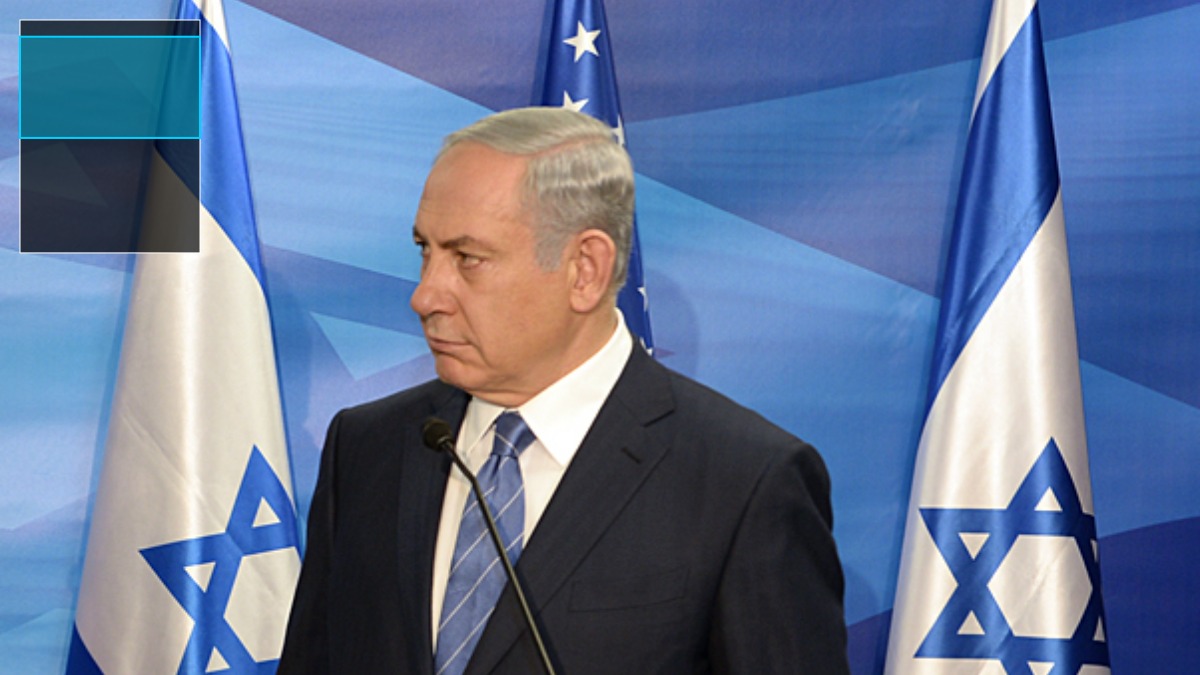

The New York Times has firmly rejected a threat of libel action from Israeli Prime Minister Benjamin Netanyahu, the BBC reported. This pushback follows an intense public dispute over an opinion column that detailed allegations of sexual violence against Palestinian detainees. The tension escalated after Benjamin Netanyahu and Foreign Minister Gideon Saar released an official statement declaring they had ordered the initiation of a defamation lawsuit against the publication.
The conflict stems from an article published on Monday by columnist Nicholas Kristof. The 3,700-word piece, titled “The Silence that Meets the Rape of Palestinians,” contains serious allegations regarding the treatment of detainees. Nicholas Kristof wrote that there is no evidence that Israeli leaders order rapes. But in recent years, they have built a security apparatus where sexual violence has become, as a United Nations report put it last year, one of Israel’s standard operating procedures and a major element in the ill treatment of Palestinians.
The column relied on interviews with 14 individuals who claimed they were sexually assaulted by Israeli settlers or members of the security forces. These accounts included graphic descriptions of rape and assault with various objects. One specific claim involved an unnamed Gaza journalist who alleged he was raped by a dog under the instruction of its handler.
In their statement, Benjamin Netanyahu and Gideon Saar labeled the report as one of the most hideous and distorted lies ever published against the State of Israel in the modern press
Furthermore, the Israeli foreign ministry argued that Nicholas Kristof based his work on unverified sources tied to Hamas-linked networks. The reaction within Israel has been sharp and immediate. Yechiel Leiter, the Israeli ambassador to the US, released a video statement asserting that the only clear crime on display here is the violation of journalistic standards by Mr Kristof and his paper. By Thursday, a group of demonstrators gathered outside the office of the New York Times in Manhattan to call for the firing of the columnist.
The New York Times stood by its reporter and the publication in a formal statement. The organization stated that the Israeli Prime Minister has threatened to file a libel lawsuit against The New York Times regarding Nicholas Kristof’s deeply reported opinion column on sexual abuse by Israel’s prison guards, soldiers, settlers, and interrogators.
The newspaper emphasized that this threat, similar to one made last year, is part of a well-worn political playbook that aims to undermine independent reporting and stifle journalism that does not fit a specific narrative. The paper concluded its stance by noting that any such legal claim would be without merit.
Legal experts have weighed in on the feasibility of the proposed lawsuit. While the Israeli state could theoretically attempt to bring a case to court, local lawyers suggest it would be a difficult path. Liat Bergman Ravid, a lawyer specializing in defamation, noted that filing a civil claim in this context has a low likelihood of success.
She explained that the Defamation Law prevents the bringing of a civil action by a collective and that the legal system generally discourages defamation suits by government bodies to protect freedom of speech. While there is a provision for the Attorney General to file an indictment, she noted that such an event is rare and borders on non-existent.
Another legal expert, Idan Seger, highlighted the significant differences in legal standards. If a case were to proceed in Israel, the newspaper would face a much higher burden of proof compared to the standards in the US. He explained that a simple lack of malice is not enough to avoid liability in Israel. To prevail, the newspaper would need to prove the absolute truth of its reporting or demonstrate strict adherence to standards of responsible journalism.
This controversy is not the first time such allegations have surfaced. Reports from various NGOs have documented similar claims for years. Last year, two Palestinian men spoke about their experiences in detention, with one specifically alleging that a dog was used to sexually humiliate him. At that time, the Israeli Prison Service stated it was not aware of the claims described and maintained that it operates in full accordance with the law.
Additionally, five soldiers were previously charged with assaulting a detainee at Sde Teiman military prison, a case that involved the leaking of CCTV footage by a high-ranking official. Although those charges were dropped in March, the incident remains a point of intense polarization within Israel. Given the current standoff, it remains unclear if the state will follow through with formal legal proceedings.









Published: May 19, 2026 04:00 pm