



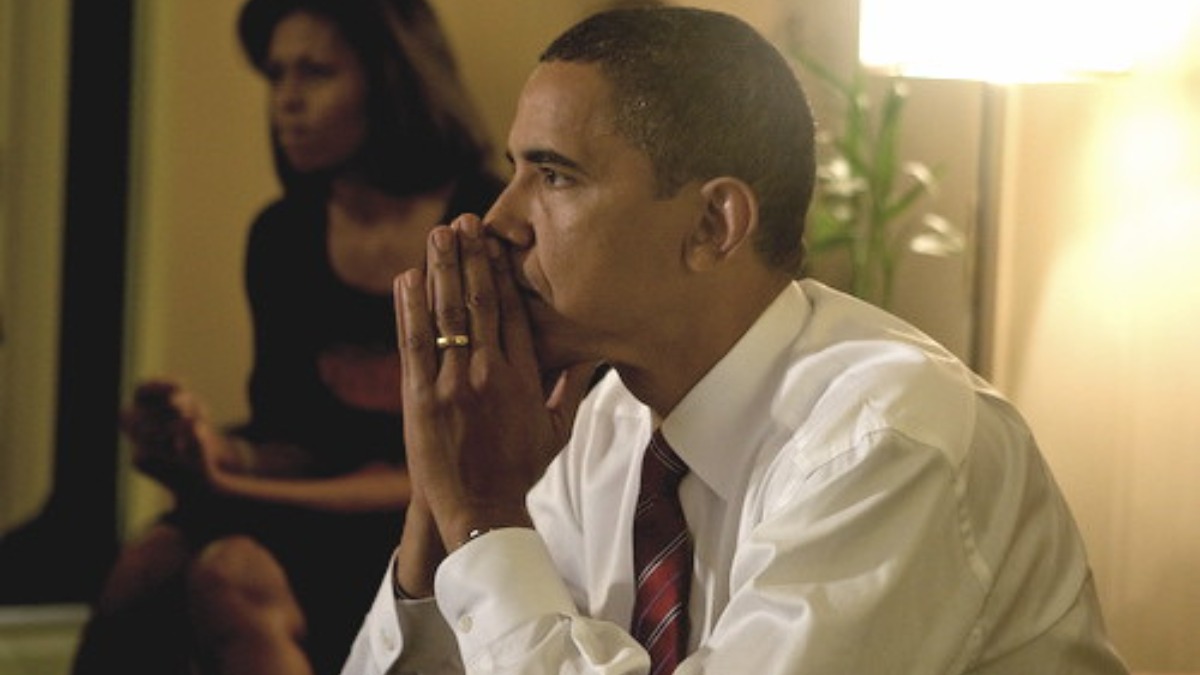

Former President Obama recently clarified why he has been selective about when he chooses to criticize the current administration. In a wide-ranging profile for The New Yorker, Obama explained that his strategy is rooted in the belief that constant, daily commentary would ultimately diminish his influence as a political leader. He wants to ensure that when he does speak out, his voice carries weight rather than being lost in the noise of a crowded media landscape.
“For me to function like Jon Stewart, even once a week, just going off, just ripping what was happening — which, by the way, I’m glad Jon’s doing it — then I’m not a political leader, I’m a commentator,” Obama told the publication. This perspective highlights a clear divide between the role of a pundit and the role of someone who has held the highest office in the country.
He noted that the media environment is currently so difficult that people often miss the specific work he is doing behind the scenes. He suggested that when people do catch a glimpse of him, they often wonder why he isn’t speaking out every single day. However, he maintains that his interventions are most effective when tied to specific events, such as midterm elections or referendum campaigns.
Since leaving the White House in January 2017, Obama has certainly not remained silent, especially when it comes to issues he feels are critical to the country
For example, back in February, he addressed the immigration enforcement tactics used by the administration following a tragic incident in Minneapolis where federal officers fatally shot two American citizens, Renee Good and Alex Pretti. During a conversation with liberal commentator Brian Tyler Cohen, Obama was direct about his concerns. “The rogue behavior of agents of the federal government is deeply concerning and dangerous,” he stated.
Another major area of focus for the former president has been the nationwide push by the GOP regarding redistricting. This issue has become a central battleground for both parties as they look toward the upcoming midterm elections. Obama has been vocal about his stance on how congressional maps are drawn. “Redistricting is another good example of where I strongly believe we should not be having politicians draw lines that determine who’s voting for them,” he said.
This sentiment is currently playing out in a high-stakes environment in Virginia. Obama has been ramping up pressure in the Commonwealth to encourage voters to support a redistricting measure that could significantly alter the political landscape.
In a video obtained by ABC News, he reminded residents that early voting is already underway and that turnout has reached record numbers. He told Virginians, “we’re counting on you.” The proposed constitutional amendment aims to bypass the state’s redistricting commission to redraw maps mid-decade. If it passes, it could expand the Democratic delegation from a 6-5 majority in the House to a 10-1 advantage.
The former president emphasized the importance of this move, noting, “By voting yes, you have a chance to do something important. Not just for the commonwealth, but for our entire country. By voting yes, you can push back against the Republicans trying to give themselves an unfair advantage in the midterms. By voting yes, you can take a temporary step to level the playing field. And we’re counting on you.”
The statewide special election is set to take place on April 21, which is this coming Tuesday. According to the Virginia Public Access Project, over 1,160,000 voters have already cast their ballots since early voting began last month.
The push for new maps isn’t limited to Virginia. Last year, Republicans in the Texas Legislature redrew congressional maps at the direct urging of the president. Other states like North Carolina and Missouri have followed suit with their own map changes. In response, Democratic-controlled states such as California have redrawn their own maps to give their party a leg up.
Virginia state House Speaker Don Scott has described this effort as a way for Democrats to punch back, framing it as a method to protect fair representation. Meanwhile, Rep. Jen Kiggans has pushed back against these efforts, warning that forcing such changes could eventually backfire.
Despite the intensity of these political battles, Obama remains a popular figure. When he left office in January 2017, he held an approval rating of 59 percent, which, according to the American Presidency Project, was tied for the third-highest mark among departing presidents.
A Gallup survey from January 2025 shows that his approval rating has held steady at 59 percent, making him the highest-rated among the five living current or former presidents. In contrast, the incumbent’s mean approval rating, as of Friday, sat at 39.7 percent according to an average of polls calculated by Decision Desk HQ. As the midterm elections approach, the political maneuvering over these district lines is expected to intensify across the country.





Published: May 5, 2026 01:15 pm