



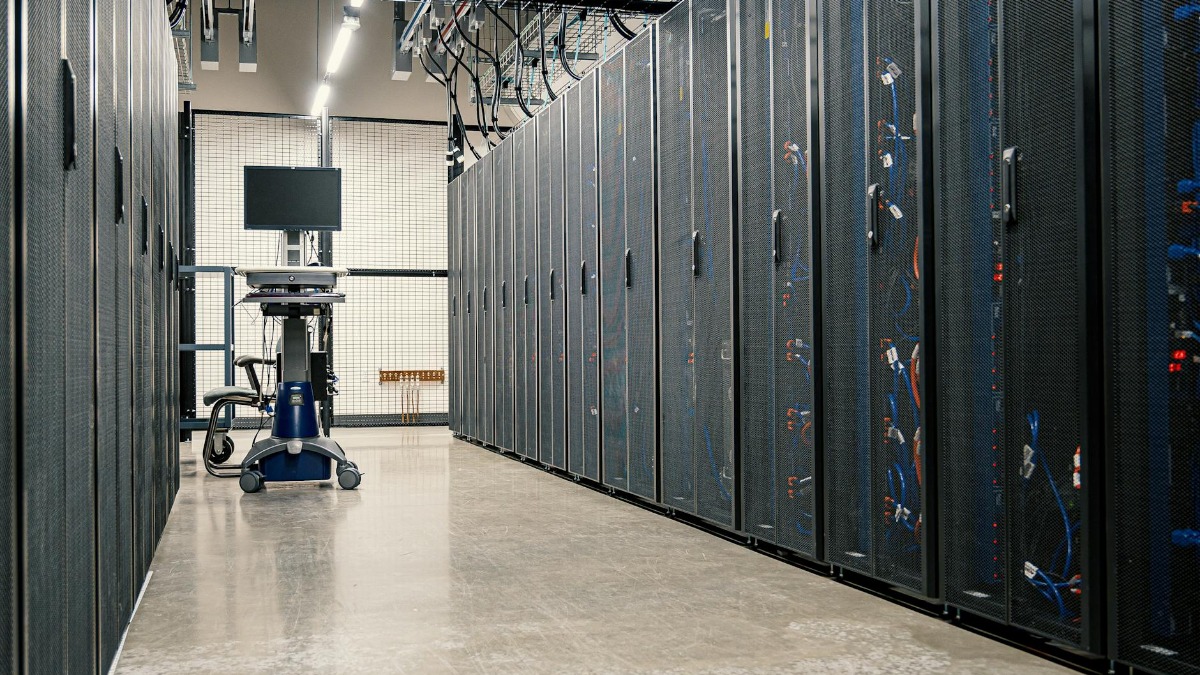

OpenAI, the AI company behind the Stargate initiative with Oracle, has successfully pushed a small Michigan town into allowing the construction of a $16 billion data center. Saline Township, with a population of just 2,300 people, had initially voted to deny the zoning changes needed for the project. The construction company, Related Digital, then sued the township.
After being sued, the township’s board decided it could not afford to fight the lawsuit and agreed to a settlement that would allow the data center to move forward. This happened despite strong opposition from the local community, who believed the project would seriously affect their way of life. The board’s decision came down to finances, not a change of heart.
At a town hall meeting on May 13, residents voiced their concerns about the project. Kathy, a long-time resident, defended the board’s original decision to block the zoning changes. According to 404 Media, she pointed out that the township’s farming community was already struggling, with many young farmers choosing not to continue farming.
Small towns are left with little recourse when corporations come armed with billion-dollar legal firepower
“I understand what’s happening to our farming community: their children don’t want to farm anymore,” Kathy said. “So what do they do? They sell the property for you [sic] for $50,000 an acre when they could sell it for $100,000 an acre? Ain’t gonna happen.”
She also challenged the idea that the township could financially benefit from the data center. “How much money does our Township have? A million dollars? Tax collection, et cetera. What’s the price of this data center? $16 billion. How many millions does it take to create $16 billion dollars? A lot.”
Clerk Marion, who voted against accepting the settlement, also shared her frustration. “I don’t fault anybody. I’m the one that voted ‘no’ against the board, but I did not see Related going away.” She added that the township’s lawyers had estimated that losing the lawsuit would have cost each household around $29,000 per year for the next decade in extra taxes.
That financial reality left the township with very little room to fight back. Even residents who wanted to push back harder had to accept that the legal and financial cost of doing so was simply too high for a town of their size. The threat of a decade-long tax burden on every household made the settlement feel less like a choice and more like a forced outcome.
One resident summed up the community’s frustration bluntly, saying, “we are not a free nation when billion-dollar corporations can take over the land of our communities and towns. We are a captive nation ruled by corporations and billionaires.” That sentiment captured the mood of many at the meeting, where residents felt their votes and voices had ultimately counted for very little.
OpenAI’s influence has also extended into politics, with its cofounder financially backing Trump’s campaign, arguing that AI matters more than political lines. In the end, Saline Township accepted the data center despite doing everything within its power to block it. The township was outmatched legally and financially by Related Digital and OpenAI.
The outcome has left residents questioning whether local governments can meaningfully stand up to large corporations when the financial stakes are this high. Critics have also raised concerns about OpenAI’s justification for AI’s massive energy demands, which large data centers like this one would require.







Published: May 23, 2026 04:32 pm