



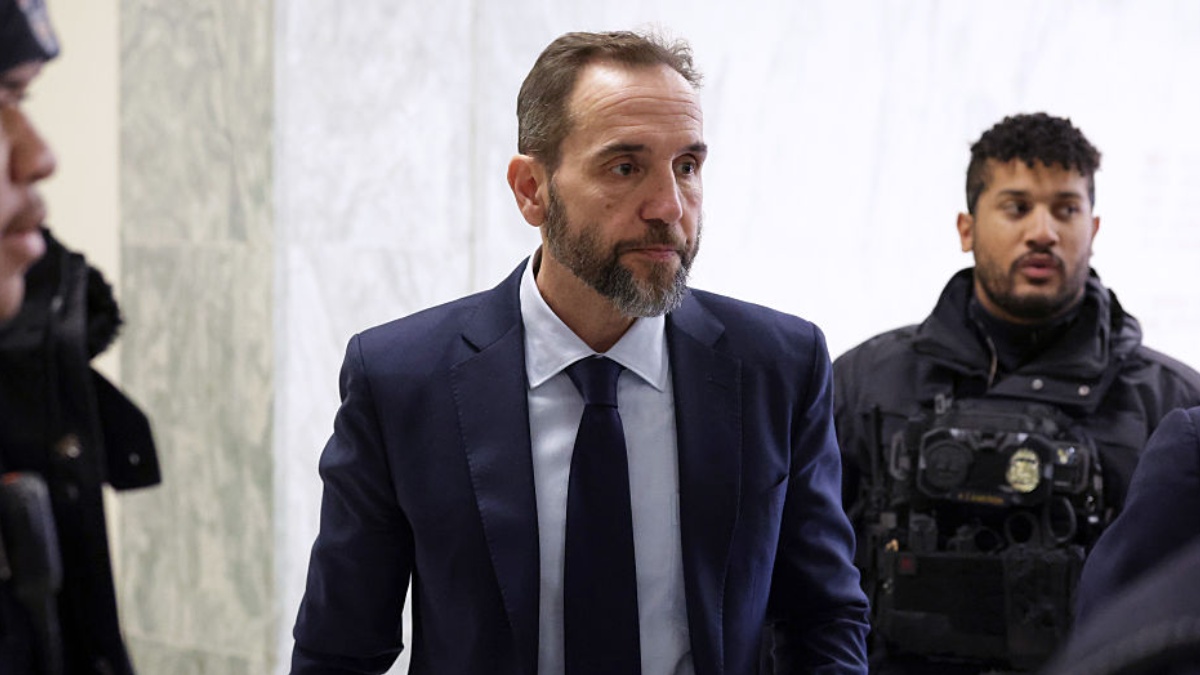

Former Special Counsel Jack Smith appeared before the House Judiciary Committee to defend his investigation into Donald Trump, facing hours of sharp questioning from Republican lawmakers. Much of the hearing focused on attempts to discredit Smith’s work examining Trump’s alleged efforts to overturn the results of the 2020 election.
As reported by Fox News, the most contentious exchange centered on accusations that Smith’s office improperly obtained phone-related records tied to members of Congress. Republicans argued the actions amounted to surveillance of political opponents rather than standard investigative procedure, echoing broader concerns raised in coverage of phones seized from activists, which similarly fueled debate over civil liberties and access to personal data.
The confrontation escalated when Darrell Issa, a Republican from California, repeatedly accused Smith of “spying” on lawmakers. The exchanges turned into a tense back-and-forth that at times required intervention from committee leadership.
The accusation that dominated the hearing
Issa focused his questioning on the use of so-called tolling records, which are logs showing phone numbers contacted, call timing, and duration, rather than recordings or wiretaps. He claimed seeking those records amounted to spying on political enemies, pressing Smith on whether Republicans in the House and Senate had been unfairly targeted.
Issa suggested Smith acted as a political instrument of the Biden administration, referencing both President Joe Biden and Vice President Kamala Harris while questioning Smith’s impartiality. Smith responded directly and briefly, denying any political motivation behind the investigation. The hearing’s intensity mirrored recent political tensions highlighted in reporting on Europe not approving Trump’s trade deal after his Greenland threats, which underscored how quickly disputes can escalate across branches and borders.
The exchange grew increasingly heated as Issa accused Smith of seeking records related to the Speaker of the House and other lawmakers without notification. He also criticized the use of gag orders tied to subpoenas issued to phone companies, which prevented those affected from learning about the requests for at least a year.
Smith repeatedly stated that his office “didn’t spy on anyone,” explaining that tolling records are commonly used in criminal investigations. When Issa continued interrupting Smith’s answers, the committee’s ranking Democrat asked the chairman to instruct Issa to allow Smith to respond fully.
Smith argued the records were sought because Trump allegedly directed associates to contact specific lawmakers as part of efforts to delay official proceedings. He said the same approach would have been taken regardless of party affiliation, stating that if Democratic senators had been contacted, their records would have been obtained as well.
On the procedural side, Smith acknowledged that the subpoenas included gag orders approved by a federal court in Washington, D.C. He previously told lawmakers that the court would not have been aware the orders applied to members of Congress, adding that he did not flag that detail because he did not believe it violated Department of Justice policy at the time.
Publicly released records show the Justice Department’s Public Integrity Section approved the subpoenas and cautioned prosecutors to consider potential issues related to the Constitution’s speech or debate clause, which grants members of Congress additional legal protections.






Published: Jan 22, 2026 07:30 pm