



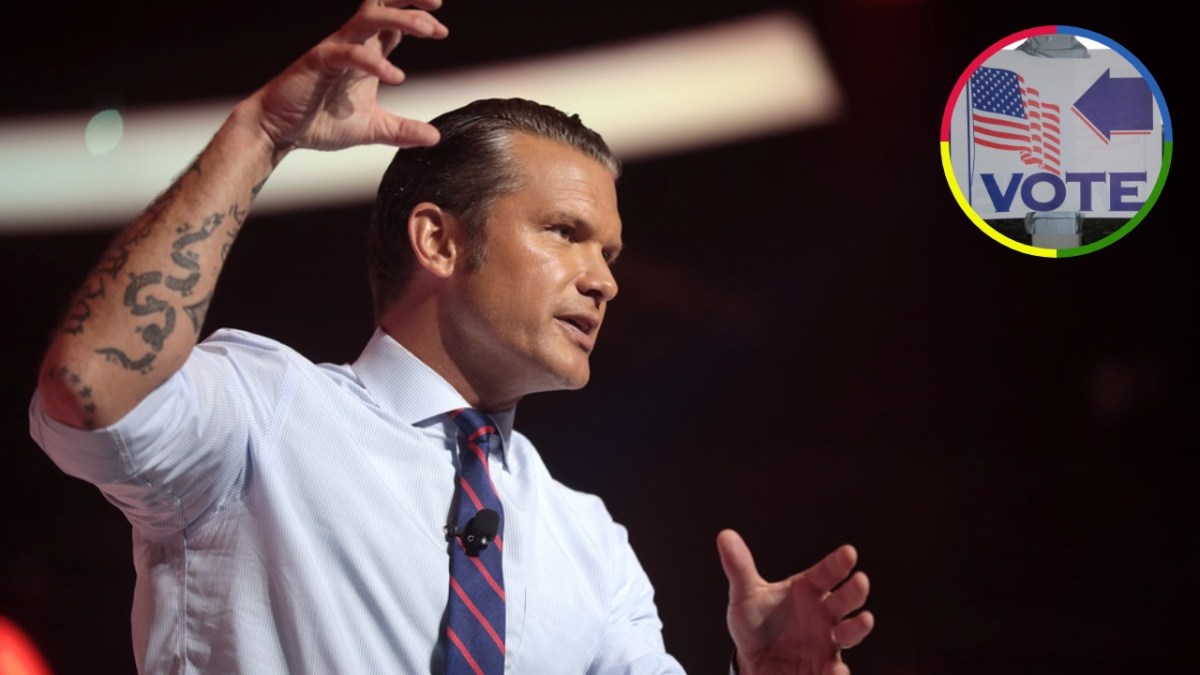

Defense Secretary Pete Hegseth has directed military intelligence and cybersecurity organizations to mobilize resources to protect United States election infrastructure ahead of the November 3 midterms, according to AP. The directive involves the National Security Agency and U.S. Cyber Command, and it was made public Monday, with early voting already underway. The memo tells the Defense Intelligence Enterprise to “mobilize every authorized asset, capability, and partnership” to defend election systems from foreign malign influence.
The goal of this election security push is to make sure voters can cast their ballots without facing foreign intimidation or coercion, and the memo does not send troops to polling stations. The focus is cybersecurity, foreign intelligence, and foreign interference rather than administering voting or counting ballots. Gen. Dan Caine, chairman of the Joint Chiefs of Staff, wrote in August that the military has no plans to send federal troops or federalized National Guard members to polling places.
This military involvement in election security is not unprecedented. Military cyber specialists have helped monitor systems and deter hackers for years, particularly since election equipment was designated critical infrastructure in 2017. During the 2022 midterms, the NSA and Cyber Command operated a joint Election Security Group that worked to identify foreign efforts to interfere with or influence voting, and disrupted foreign cyber operations. At the time, the NSA described election defense as an “enduring” mission rather than something limited to Election Day.
Critics say the Pentagon is stepping into a gap the administration created
The announcement lands after the Trump administration sharply cut the election security work and staffing of the civilian Cybersecurity and Infrastructure Security Agency, or CISA, following its return to office in 2025. CISA historically worked directly with state and local officials on cybersecurity assessments, vulnerability testing, incident response, and physical security. However, the agency released its new election security plan only about 40 days before the midterms.
As the civilian election security operation has been reduced, the directive shifts attention toward military and intelligence agencies. David Becker, a former Justice Department attorney, said the short timeline “suggests this is just theater.” He also argued that the administration dismantled the federal government’s election cybersecurity capacity and fired its experts in early 2025.
Chief Pentagon spokesman Sean Parnell said Cyber Command and defense intelligence teams will work with federal, state, and local partners to defend voting systems and expose foreign malign influence. Gen. Joshua Rudd, who leads both Cyber Command and the NSA, said in a statement that the two organizations already counter malicious foreign cyber actors on a regular basis. The NSA collects foreign signals intelligence, while Cyber Command conducts operations to disrupt foreign hackers and the infrastructure they use.
As United States elections are highly decentralized, the split between civilian and military roles matters. Thousands of local jurisdictions handle many of the practical responsibilities involved in voting, while states set most election procedures. Federal agencies generally provide intelligence, cybersecurity expertise, and other assistance rather than directly operating election systems, and Caine said in his letter that election administration remains the responsibility of state and local officials.
The military push also arrives during a broader and contentious federal focus on election administration. Cybersecurity help from the NSA and Cyber Command is routine. However, many election experts, civil rights groups, and Democratic election officials are on guard for signs of meddling in voting or ballot counting by the Trump administration. Separately, the Supreme Court blocked an attempt by President Donald Trump to restrict mail voting but has allowed the use of a federal database to check the citizenship of voters.
Hegseth called a question from Sen. Elissa Slotkin about deploying troops to polling places a “gotcha hypothetical” in April, and she later wrote to him and Caine asking them to confirm troops won’t be sent. Trump said in May he would “do anything necessary to make sure we have honest elections” when asked about sending troops or ICE agents to voting locations.
The memo does not say whether the NSA and Cyber Command will use the same joint Election Security Group they relied on in 2022. How the two agencies coordinate with the Department of Homeland Security and state officials could shape the final weeks before the November 3 midterms.







Published: Sep 29, 2026 01:30 pm