




The Trump administration will end a subsidy program that has helped keep premiums steady for Medicare prescription drug plans, according to the Centers for Medicare & Medicaid Services. The change will take effect after 2026.
Reuters reports that CMS said its review of 2027 bids showed that insurers now have enough experience with Medicare Part D to price their plans accurately without help from the program.
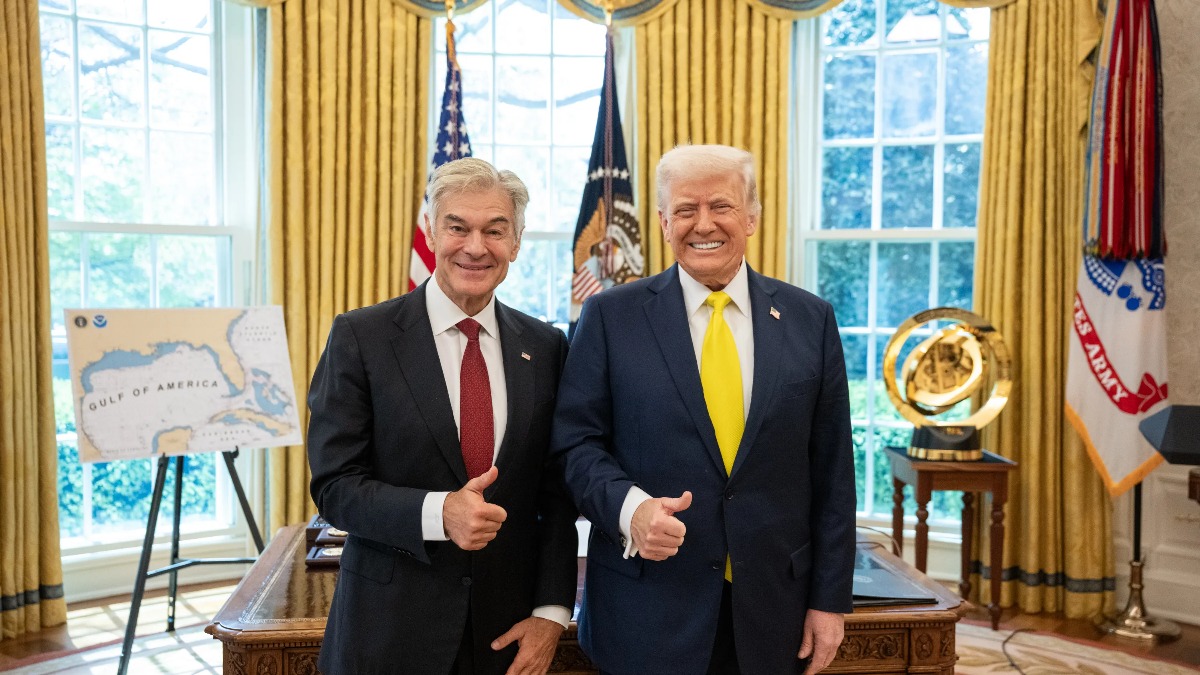
CMS Administrator Dr. Mehmet Oz addressed the change in a post on X, saying, “We are stabilizing the market so this bailout is no longer needed. Premiums will go up by less than $10 for most Medicare recipients, with many even seeing lower premiums.”
Millions of older Americans rely on the Part D drug coverage program
Medicare Part D gives prescription drug coverage to millions of people through private insurance plans. It is one of the main parts of the federal health program for older adults.
Healthcare costs remain a worry for many older Americans living on fixed incomes, and the administration has faced questions before about how it talks about Americans’ finances. According to KFF, a health policy research group, nearly 25 million people were enrolled in standalone Medicare Part D drug plans in 2026.
Some of the nation’s largest health insurers, including UnitedHealth Group, Humana, and CVS Health’s Aetna, offer Medicare Part D prescription drug plans. Together, they cover millions of Medicare beneficiaries, making any policy changes to the program significant for both insurers and enrollees. The new payment rates are expected to influence plan pricing, benefits, and the level of competition in the Medicare Part D market in the coming years.
The announcement is part of a broader effort by the Trump administration to reshape federal healthcare programs. Alongside changes to Medicare Part D, the administration has proposed a sweeping overhaul of how Medicare reimburses physicians, with the stated goal of modernizing payment systems and encouraging value-based care.
Officials have also signaled plans to strengthen oversight of federal healthcare spending, arguing that tighter accountability and cost controls are needed to improve the long-term sustainability of programs such as Medicare and Medicaid. Critics, however, have cautioned that some of the proposed reforms could affect provider participation and patient access to care.
CMS also shared early details on 2027 Medicare drug-plan bids. The national average monthly bid amount, which is used to calculate government subsidies for these plans, will be $296.05 in 2027. The administration’s figures on prescription costs have drawn scrutiny before, including a Senate hearing where officials had to defend the administration’s drug price percentage claims.
The agency also said the national base beneficiary premium for Medicare Part D will be $41.33 next year. Under the Inflation Reduction Act, yearly increases to that premium are capped at 6% through 2029.
CMS said it plans to release final 2027 Medicare Advantage and Part D premiums, along with full plan details, in September.








Published: Jul 29, 2026 01:30 pm