



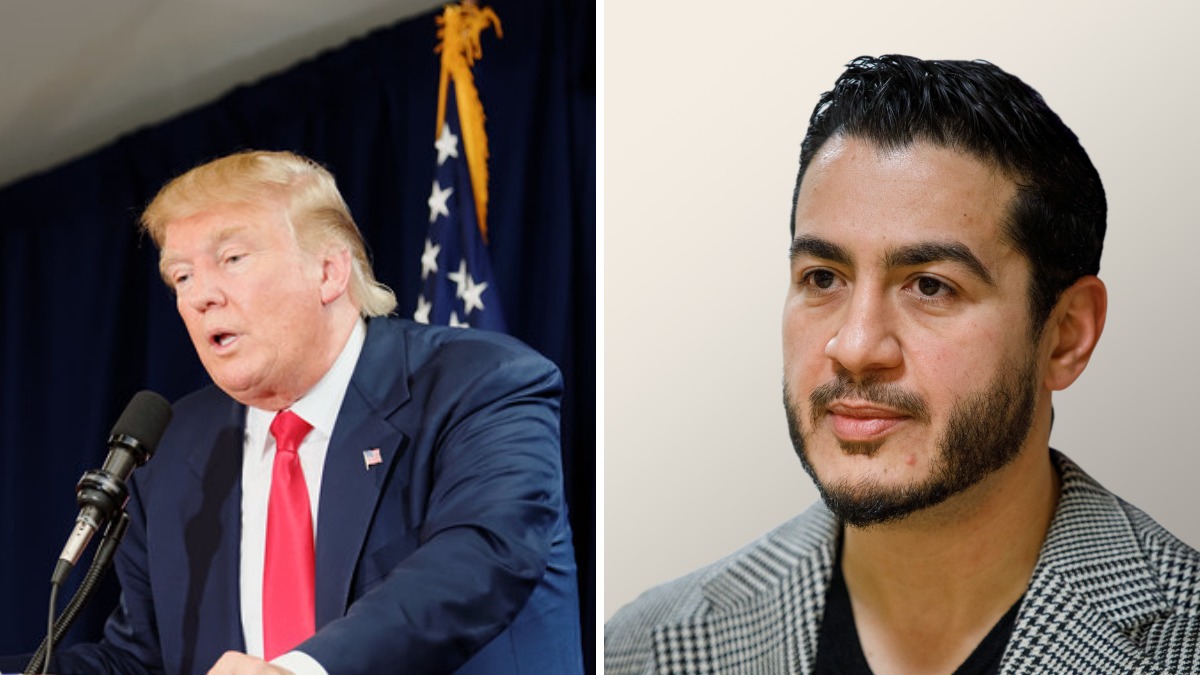

Abdul El-Sayed has secured the Democratic nomination for the U.S. Senate in Michigan, defeating Rep. Haley Stevens in a primary that marks a significant win for the party’s progressive wing. The former public health official overcame a steep financial disadvantage, with Stevens and her allies spending nearly $65 million compared to the far smaller sum raised by El-Sayed and his supporters. As detailed by NBC News, the result gives the progressive movement a notable foothold heading into the general election.
The win quickly drew national attention, including sharp criticism from President Donald Trump. During a speech in Las Vegas on August 5, Trump labeled El-Sayed a “man of hate,” adding to comments he had already posted on Truth Social framing the progressive’s primary victory as a positive development for Republicans.
El-Sayed pushed back against the characterization in an interview with Kaitlan Collins that same day, suggesting the president was struggling to stay focused on his own agenda. The story was reported by Galveston County Daily News, which detailed his remark that Trump “can’t stay on focus.”
El-Sayed argues Trump is dodging the real economic conversation
El-Sayed said that instead of highlighting the administration’s “no tax on tips” policy, which allows eligible workers to deduct up to $25,000 of qualified annual tip income, Trump chose to attack him personally. He argued the country is living through a generational affordability crisis and that attention should be on economic solutions rather than personal attacks between the two men.
His platform centers on removing money from politics, redirecting resources toward everyday people, and passing Medicare for All. The primary itself was contentious, with Stevens, a four-term congresswoman, drawing backing from party leaders including Gov. Gretchen Whitmer and Sen. Gary Peters.
Stevens also benefited from more than $30 million in advertising from a group affiliated with AIPAC, though El-Sayed’s platform, which included vocal support for Medicare for All and sharp criticism of corporate influence in politics, resonated with voters. He also picked up a key endorsement from the United Auto Workers, a notable win given Michigan’s industrial history. The result came amid a broader run of progressive primary wins this cycle, among them Talarico’s Texas primary upset, which similarly rattled the party’s biggest donors.
The intensity of the primary produced heated moments, including a debate in Detroit where El-Sayed criticized the outside money flowing into the race, arguing that a campaign so dependent on outside spending could not truly claim to be elected on its own terms. Stevens countered by arguing she represented people who needed help, even as she faced criticism over her ties to corporate PACs.
Stevens conceded the race on the morning of August 5 and posted on X that she had called El-Sayed to offer her full support. She emphasized the need for party unity heading into a fight against Trump over health care and affordability, while state Sen. Mallory McMorrow, who had also run in the primary before dropping out, endorsed El-Sayed and said the primary’s differences were minor compared with the contrast Democrats will face in November.
The general election is expected to be among the most competitive in the country as Republicans defend a slim advantage in the national Senate majority battle heading into November. El-Sayed, a 41-year-old physician and public health expert, previously served as director of Wayne County’s Department of Health, Human and Veteran Services and as Detroit’s health commissioner, and he held a tenure-track faculty position at Columbia University.
As he turns to face Rogers, El-Sayed is also focused on repairing relationships within his own party. During an interview on CBS Mornings, he acknowledged that significant healing is needed after a hard-fought primary but said his movement remains open to everyone.
National Republicans have previously signaled they would prefer facing a progressive opponent, even funding ads highlighting El-Sayed’s ties to Sen. Bernie Sanders in an apparent attempt to boost his candidacy during the primary. With that primary now decided, El-Sayed heads into the general election against Rogers as one of the most closely watched Senate races of the 2026 cycle.









Published: Aug 7, 2026 05:45 am