



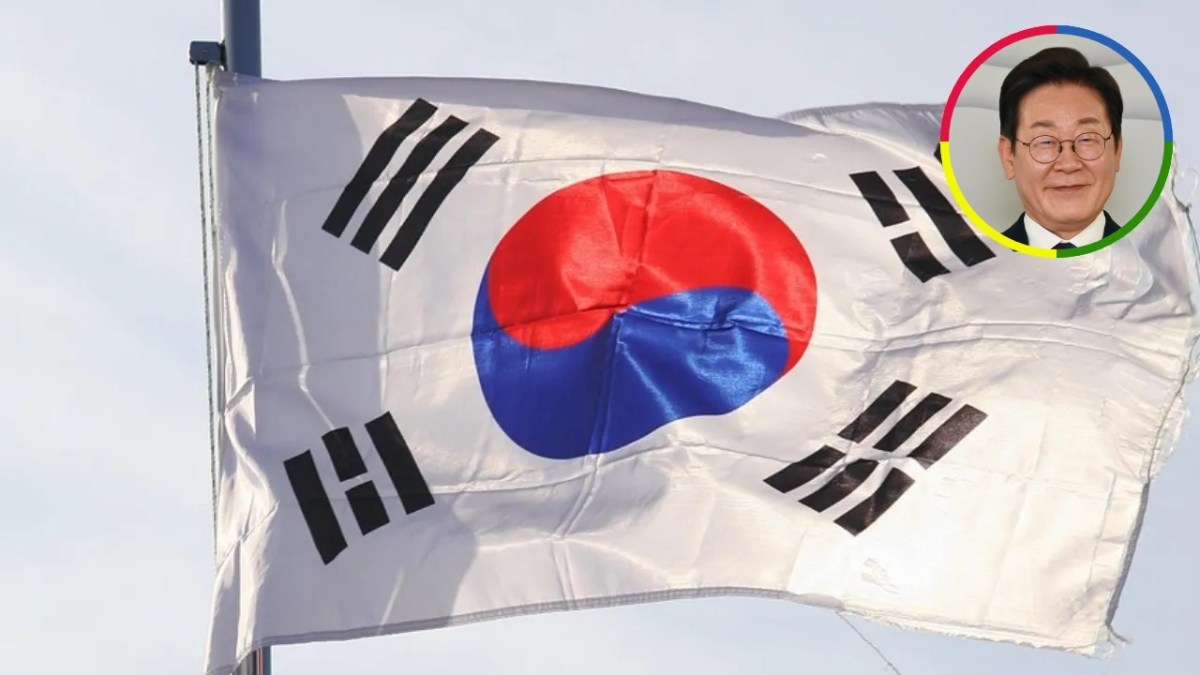

President Lee Jae Myung has officially stated that South Korea will not deploy military assets to the Middle East in any form that could pull the country into the ongoing war in Iran. This firm stance serves as a direct response to pressure from President Donald Trump, who has been pushing for more significant support from Seoul regarding the conflict.
As reported by The Guardian, during a news conference, Lee provided a clear outlook on the situation. “There won’t be deployment that would involve or enter war. I can tell you that very clearly,” Lee said. He emphasized that the administration would not send military assets to support the war effort.
President Trump has openly criticized Seoul for what he characterizes as insufficient support for the war. This tension has already resulted in the scaling back of major joint military drills between the two countries earlier this summer, which has certainly left many in the region feeling unsettled.
President Lee wants to keep a limited defensive role in the region
While the president is drawing a hard line on combat involvement, he is still weighing a more limited, defensive role in the region. South Korea already operates a naval presence near the coast of Somalia to handle anti-piracy operations, and the government is currently reviewing whether to expand that type of mission to the Strait of Hormuz.
Lee noted that the country has a responsibility to maintain the safety of its citizens and its economy. “[It] is also clear that we must do the minimum as other countries do to protect our commercial shipping and crude shipments, and also the safety of our people,” he said. Expanding this role remains a controversial topic at home, as the idea of any military deployment is proving to be unpopular with the public.
Beyond the military friction, there is reportedly significant movement on the economic front. South Korea is currently working through the details of a major investment package with Washington. Last year, the government committed to investing 350 billion dollars in United States manufacturing.
In exchange, the two sides discussed lowering tariffs on Korean imports to 15%. Lee explained that the primary sticking point remains the commercial viability of this massive investment. While there are specific elements that the administration finds difficult to accept, he indicated that both sides are getting closer to a final agreement.
The conversation also shifted toward the diplomatic landscape involving North Korea. President Lee suggested that a meeting between President Trump and the North Korean leader, Kim Jong-un, could potentially take place in the coming months. However, he cautioned that many factors must align for such an event to become a reality.
Lee highlighted the ongoing efforts to facilitate these discussions, noting that he and the president share a desire for dialogue. “What’s clear is that President Trump wants talks, and I want him to as well, and we’re continuing coordination to make dialogue between the North and the US possible,” he said. Despite these efforts, North Korean state media has not yet commented on the repeated calls for a summit.




Published: Sep 19, 2026 12:15 pm