



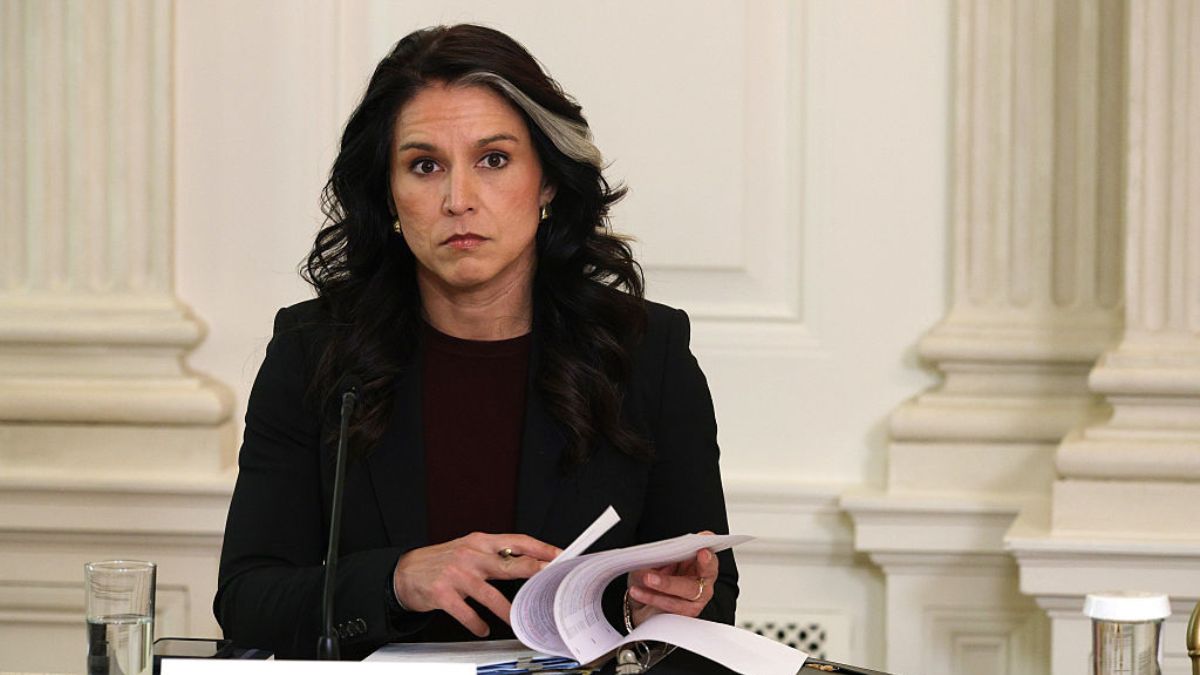

Director of National Intelligence Tulsi Gabbard is facing serious claims that she blocked the normal sharing of highly classified National Security Agency intelligence. She then personally delivered a paper copy of the report to White House Chief of Staff Susie Wiles. This news is raising major questions about how intelligence is handled at the top levels of government.
According to Andrew Bakaj, the lawyer for the whistleblower in this case, the situation started last spring when the NSA flagged a highly sensitive phone call. The call was between two members of foreign intelligence who were discussing a person closely connected to President Trump. Bakaj later explained that the call was strictly between two foreign intelligence members about someone close to the White House, not a direct call involving the Trump associate.
Once the communication was brought to Gabbard’s attention, the whistleblower claims she took an unusual step. Instead of letting NSA officials follow standard rules and share the information further, Gabbard reportedly took the paper copy straight to Wiles. The Guardian reports that the day after that meeting, Gabbard allegedly told NSA officials not to publish the intelligence report at all and to send the highly classified details directly to her office instead.
The eight-month delay in sharing this complaint shows clear problems with transparency
The whistleblower first contacted the inspector general’s office on April 17, claiming that Gabbard had blocked the classified intelligence from its routine distribution. A formal complaint was filed on May 21. For eight months, the intelligence report has been completely locked down, even though the whistleblower and their lawyer pushed for Congress to be briefed.
Senator Mark Warner of Virginia, the senior Democrat on the Senate intelligence committee, criticized the long delay. “The law is clear: when a whistleblower makes a complaint and wants to get it before Congress the agency has 21 days to relay it,” Warner said. He added that the complaint was issued in May, but Congress didn’t receive even a shortened version until February, suggesting the delay showed an effort to “bury the complaint.”
Gabbard’s office is pushing back strongly against these claims. A press secretary for the Office of the Director of National Intelligence released a statement calling the entire story “false.” The ODNI claims that every action Gabbard took was “fully within her legal and statutory authority.”
They dismissed the allegations as politically motivated, stating that both a Biden-era and a Trump-appointed Intelligence Community Inspector General had already found the claims against Gabbard to be baseless. This controversy comes as the Trump administration faces other challenges, including Trump’s statements about South Korea’s deal.
Despite the ODNI’s defense, lawmakers are raising serious questions about the independence of the watchdog office. Lawmakers voiced concerns after Gabbard assigned one of her top advisers, Dennis Kirk, to work in the inspector general’s office on May 9, just two weeks after the whistleblower first made contact. Kirk previously served in the first Trump administration and was a co-author of Project 2025.
Representative Stephen F Lynch, the leading Democrat on the House oversight committee, wrote a letter warning that Kirk’s appointment could compromise the integrity of the watchdog office. Lynch wrote that appointing a “highly partisan advocate for prioritizing personal loyalty to President Trump above independence and professionalism” raises troubling questions about the inspector general’s independence.
Meanwhile, other Democrats like Minnesota Representative Ilhan Omar continue challenging Trump on different issues. Members of the “Gang of Eight,” the group of Congressional leaders who receive classified information, are now contacting the NSA directly to request the intelligence that the whistleblower claims Gabbard blocked.








Published: Feb 8, 2026 04:15 pm