



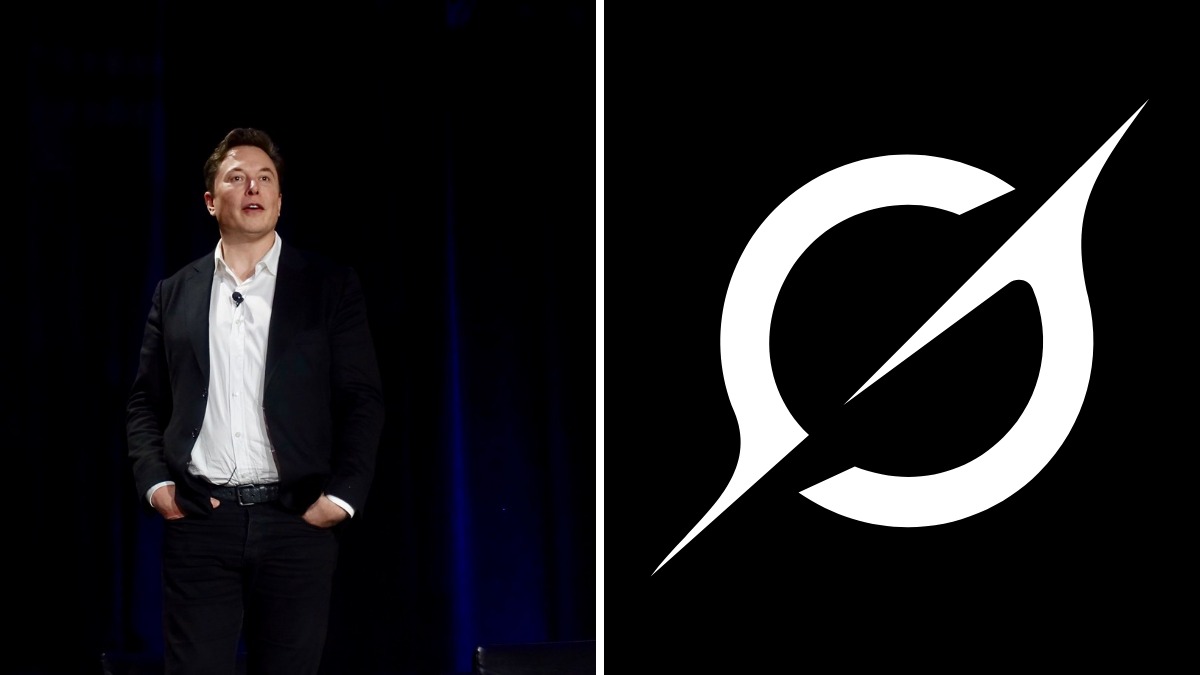

The Pentagon has officially confirmed that it utilized Elon Musk’s AI chatbot, Grok, to coordinate a massive military strike in the ongoing war with Iran, The Hill reported. In a development that bridges the gap between domestic environmental policy and international combat operations, the chief digital and artificial intelligence officer for the Department of Defense, Cameron Stanley, revealed the extent of the technology’s involvement during a sworn legal declaration.
This disclosure emerged as part of a high-stakes effort by the Trump administration to protect the operations of a data center owned by xAI, which is currently facing a lawsuit for alleged violations of the Clean Air Act. According to the legal filing, the Grok Gov Model allowed United States forces to deploy more than 2,000 munitions against 2,000 distinct targets within a window of just 96 hours.
This operation, referred to as Operation Epic Fury, demonstrates a significant shift in how the military manages large-scale tactical planning. Stanley described this capability as a testament to the increased operational efficiency provided by the AI, explicitly labeling Musk’s chatbot as a matter of paramount national security. This is the first time an official from the administration of President Donald Trump has confirmed the role of this specific AI model in the bombing of Iran, a conflict that has resulted in at least 3,468 deaths.
The integration of AI into combat workflows is not new, though the specific reliance on Grok marks a notable escalation
Earlier in the conflict, observers were focused on the use of the AI model Claude, developed by Anthropic, for target selection. Reports from that period highlighted the targeting of civilian infrastructure, including the Azadi Sport Complex in Tehran and the Shajareh Tayyebeh girls’ school.
The latter strike was particularly devastating, resulting in the deaths of at least 156 people, including over 100 children. While military officials have faced pressure to clarify the extent of Claude’s involvement in those specific casualties, they have consistently declined to comment on the specific role the software played in selecting those sites.
The context for this revelation is quite unique, as it arises from a battle over air quality in communities near Memphis. The NAACP has brought a lawsuit against xAI, alleging that the company’s data center is illegally polluting the air in nearby neighborhoods. It was reported last year that xAI deployed numerous portable combustion turbines to power its facility, which local residents claim have flooded the area with noxious fumes.
The Department of Justice is actively working to have the case dismissed, arguing that the Colossus 2 data center is vital to national security missions. Stanley’s declaration serves as the government’s primary evidence for this necessity, detailing how the facility supports military planning, intelligence, logistics, and even medical supply lines.
The reliance on such technology has not gone without pushback from within the government. Senator Kirsten Gillibrand of New York has been vocal about the dangers of integrating large language models into high-stakes decision-making processes. Earlier this month, she introduced legislation aimed at banning the use of these models in decisions involving the use of force or detention without human oversight.
She emphasized that the most critical decisions regarding national security and the lives of service members must remain in the hands of human beings. In a post on X, she stated, “The most critical decisions affecting our national security and the lives of our service members must always be made by human beings, not unaccountable machines.”
Gillibrand further warned that the current path taken by the Pentagon is moving toward the deployment of powerful AI technology without necessary safety guardrails. She argued that this trajectory could lead to catastrophic consequences.
Despite these legislative concerns, the Pentagon continues to prioritize the integration of the Grok Gov Model, which Stanley claims offers features unique to xAI that are not found in any other frontier AI model. As the legal battle over the Memphis data center continues, the dual nature of this crisis remains clear.
The United States is currently balancing an expansive war effort abroad, supported by algorithmic target selection, while simultaneously navigating significant domestic controversy over the environmental impact of the infrastructure required to power those very systems. For now, the administration remains committed to defending the operational status of the facility, viewing the AI’s contribution to military efficiency as an essential component of the current national strategy.









Published: Jun 18, 2026 01:00 pm