



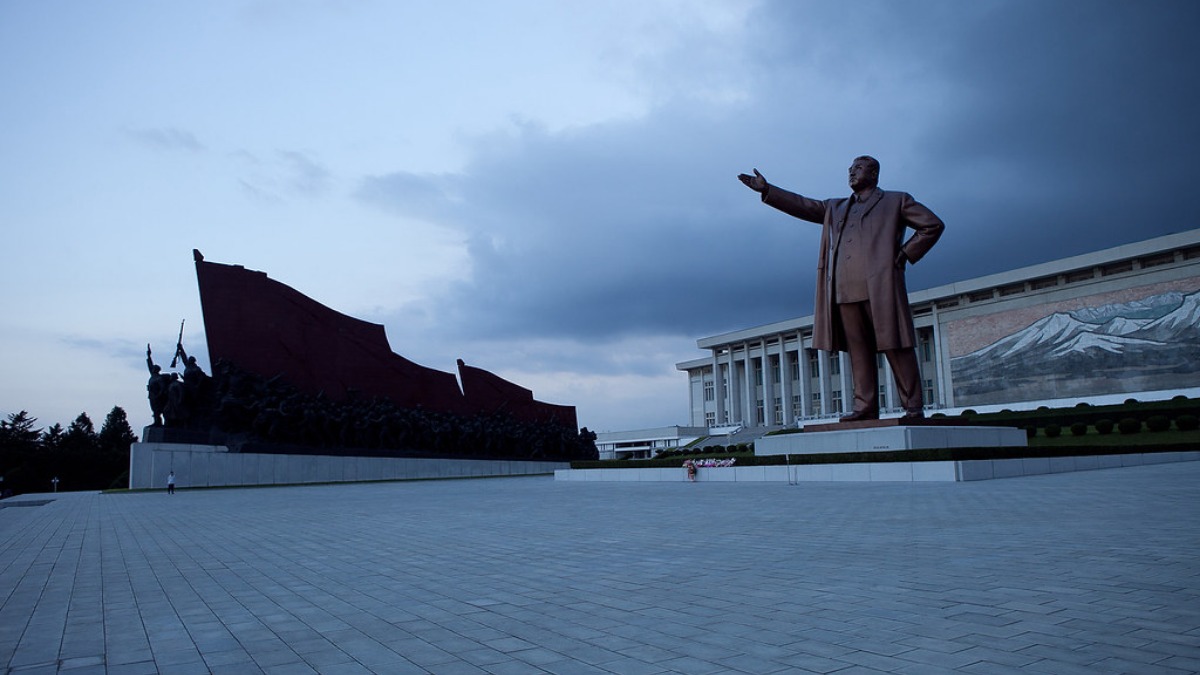

A freelance journalist has spent months fighting a subpoena from the Trump administration that seeks to make him name his sources. The subpoena relates to a New York Times article about a failed secret mission carried out by Navy SEAL Team 6 in North Korea.
The reporter, Matthew Cole, was targeted by federal investigators who want to know who told him details of the operation. F.B.I. agents delivered the grand jury subpoena, which was issued by prosecutors in Newport News, Virginia.
According to the New York Times, this subpoena had not been reported publicly before now. It is part of a wider pattern under the Trump administration of using subpoenas to pressure journalists into revealing their sources, something that was rare before Trump’s second term began.
Investigators are seeking two years of contact records
F.B.I. agents went to Cole’s home in New York in February to deliver the subpoena. He was not there at the time, so it was later given to his lawyer instead. The subpoena asks Cole to testify about two years’ worth of his contacts and conversations.
Investigators are trying to figure out who gave him information for the North Korea article. It is not clear whether the administration has also tried to obtain Cole’s phone or email records, something it has done in other similar cases.
Cole’s lawyer, David A. O’Neil, released a statement defending his client’s work. In the statement, he said Cole “has dedicated his professional life to bringing official misconduct to light and informing the public about the workings of its government.”
O’Neil added that Cole “will not be intimidated from continuing that important work. He will defend press freedom and the First Amendment from this administration’s brazen attacks on journalists, and he will honor his commitment to his sources.”
The Times is paying for Cole’s legal defense. The Justice Department did not comment on the specific case but said in a statement that it would use every legal tool available to identify people who illegally share national defense information.
A spokesman for The Times, Charlie Stadtlander, said the subpoena is “part of the government’s escalating attacks on journalists, which should concern all Americans.” He also said the demand for Cole to reveal his sources “is another brazen and illegal attack from the administration designed to deny the public information of vital importance.”
The article at the center of the subpoena was published last September. It was written by Cole along with Times staff reporter Dave Philipps. The piece described a 2019 SEAL Team 6 mission that went wrong. According to the article, SEAL members killed two or three unarmed North Koreans who apparently came across the team during a classified mission to plant a listening device near the North Korean coast.
The report was based on interviews with two dozen people. It also said the Trump administration did not inform key congressional intelligence overseers before or after the mission, which may have broken the law. The Justice Department has not subpoenaed Philipps, and he declined to comment.
Cole has shared additional details about his reporting process on his Substack newsletter. He wrote that he learned about the mission in 2023 but waited months before contacting sources, given how sensitive the story was. Cole is also known for other investigative work. He wrote Code Over Country: The Tragedy and Corruption of SEAL Team Six, published in 2022, and is working on a new book about the finances of Jared Kushner, the president’s son-in-law.
Cole’s case is one of several similar disputes involving news organizations in recent months. The Wall Street Journal and The Washington Post have also received subpoenas tied to their reporting. In March, the administration sought records from Journal reporters connected to a February article about internal government discussions on the risks of war with Iran.
Reports have also emerged about how that subpoena was personally pushed by Trump, raising concerns about the process used. The Justice Department also subpoenaed a Washington Post reporter over coverage of U.S. military operations in Venezuela. The Post and the Journal challenged their subpoenas under seal, leading to court battles in Virginia that lasted several months. In June, the administration withdrew those subpoenas after a federal judge signaled she was likely to reject them.
In a separate case in January, federal agents searched the home of another Post reporter and took her phone, computers, and smartwatch as part of an ongoing leak investigation. In July, the administration also tried to identify the sources behind Times reporting on the new Air Force One, a jet gifted by Qatar. That dispute included agents showing up at reporters’ homes to deliver subpoenas, along with requests for phone records belonging to the reporters and several of their family members.
The Times challenged those subpoenas in court. At a hearing in Manhattan, Judge Arun Subramanian criticized prosecutors for apparently not following the law and the department’s own internal rules on leak investigations. Prosecutors said they had not intentionally broken the rules but acknowledged making mistakes, which they said came from not knowing the relevant case law. The judge ordered the Justice Department to hand over internal emails related to the decision.
Under pressure from the court, the Justice Department withdrew the subpoenas connected to the Air Force One reporting, though it said the investigation would continue. Despite similar retreats in other cases, the Justice Department has not withdrawn the subpoena against Cole, even as he continues to challenge it.




Published: Aug 3, 2026 02:45 pm