



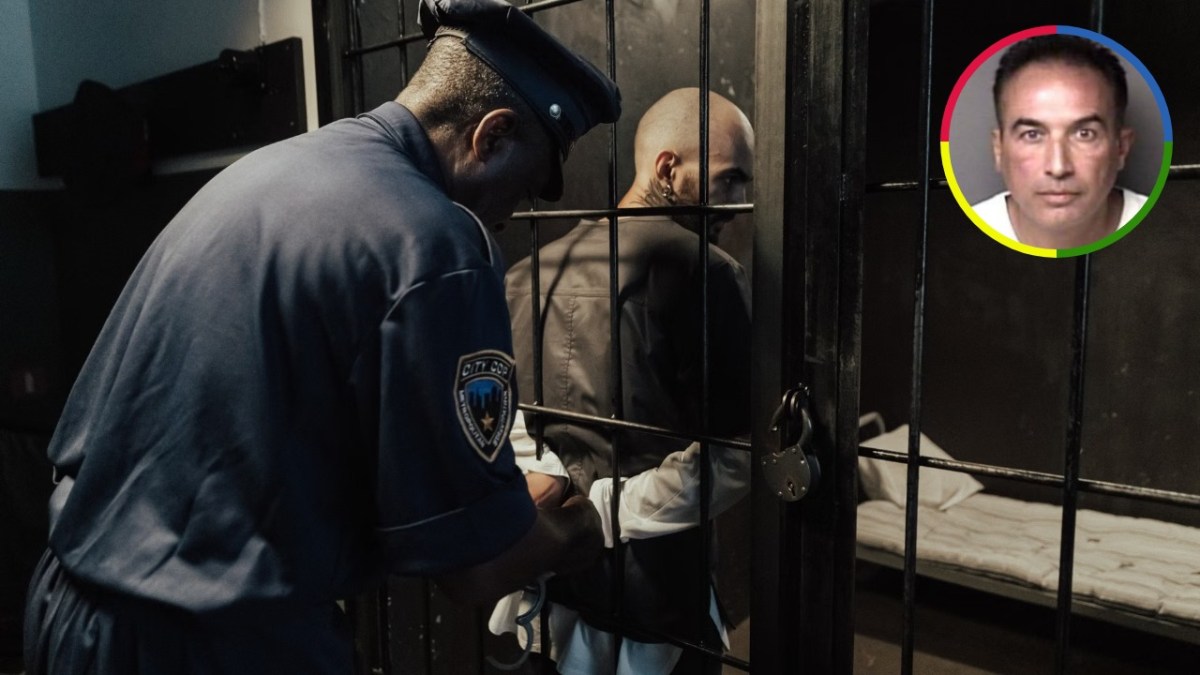

A federal judge has sentenced Michael Smith, a 54-year-old North Carolina man, to 18 months in prison for running an elaborate scheme that siphoned millions of dollars in royalties from music streaming platforms. Judge John G. Koeltl handed down the sentence in Manhattan federal court, and he also ordered Smith to pay a forfeiture of $8,091,843.64.
As reported by Dexerto, Smith, who pleaded guilty in March to one count of conspiracy to commit wire fraud, operated a massive network of bots between 2017 and 2024. By utilizing thousands of fake email addresses and fraudulently obtained debit cards, he managed to create as many as 10,000 bot accounts at once. These bots were programmed to stream hundreds of thousands of AI-generated songs across platforms like Spotify, Apple Music, Amazon Music, and YouTube Music.
In April 2023 alone, Smith’s bots masqueraded as family-plan subscribers on YouTube Music to rack up 80.9 million streams. To put that in perspective, Taylor Swift’s entire catalog pulled in 9.3 million streams on the same plans during that same month.
His actions reduced the money available for real artists
Smith had realized early on that high play counts on a single track would alert platforms to his activity. In an October 2018 email, he reportedly noted, “In order to not raise any issues with the powers that be, we need a TON of content with small amounts of Streams.”
Because streaming platforms pay out royalties from a shared pool based on a track’s percentage of total streams, Smith’s fake plays directly reduced the money available for real artists. As the Music Fights Fraud Alliance noted in a letter to the court, “every fraudulent stream perpetrated by Mr. Smith diluted the value of every legitimate stream occurring during the same accounting period.”
The sentencing process saw a wide range of recommendations, as Music Business Worldwide reports. Prosecutors pushed for at least 46 months in prison, while the US Probation Office suggested 24 months. Smith’s defense team had requested probation, arguing that the harm per artist was negligible and that he had been offered a job in audio production that would help him pay back the forfeiture.
The US Attorney’s Office pushed back against the idea of a lenient sentence, stating, “If the public is watching this case, as the defendant claims, a lenient sentence will send precisely the wrong message: streaming fraud will not result in meaningful punishment.”
Following the sentencing, US Attorney Jamie McDonald said, “Michael Smith exploited super intelligence technology to generate a fraud. By flooding music streaming platforms with automated bots in the place of consumers, and fake songs in the place of creativity, Smith robbed millions in royalty payments from genuine artists and their fans.”
Moving forward, Smith will face two years of supervised release. Industry organizations like the RIAA and the IFPI have praised the ruling as a necessary signal that streaming fraud carries real-world consequences.





Published: Oct 8, 2026 12:00 pm