



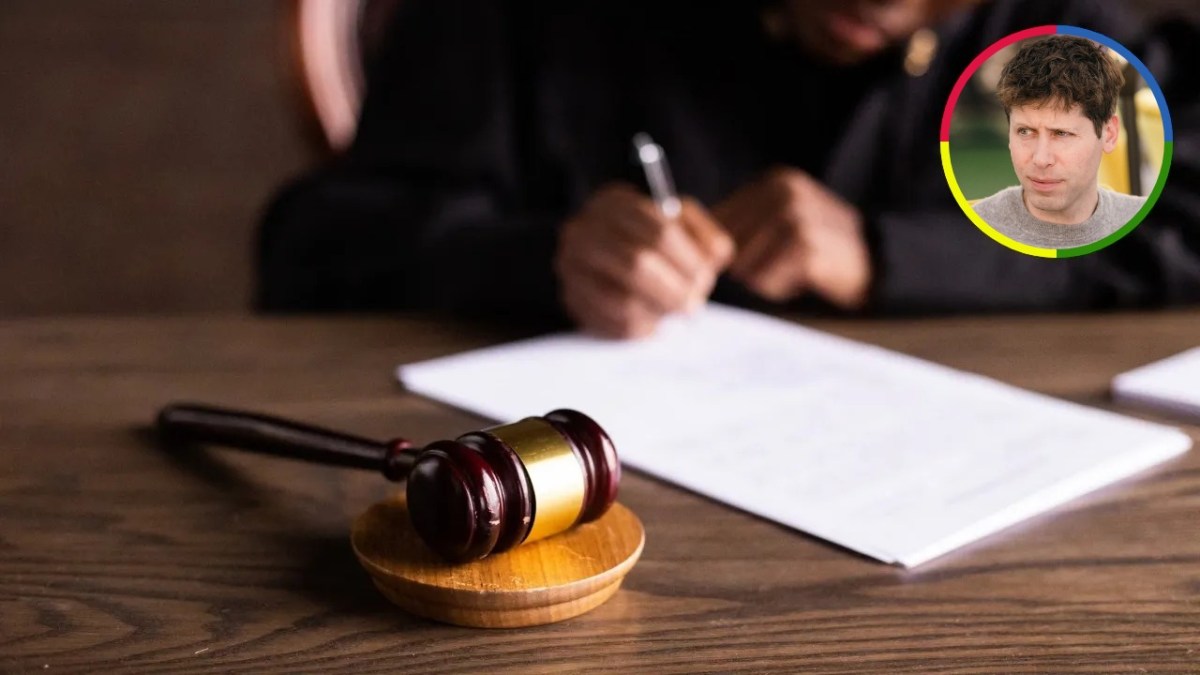

British Columbia has officially filed a lawsuit against OpenAI and CEO Sam Altman in a San Francisco federal court. The legal action alleges that the tragic mass shooting in Tumbler Ridge could have been avoided if the company had alerted local law enforcement after the shooter, Jesse Van Rootselaar, used ChatGPT to plan the attack.
As reported by The Guardian, the province is seeking damages to cover the extensive costs associated with the aftermath of the February attack, including the construction of a replacement school and the provision of mental health care. The school where the shooting occurred is currently being demolished. Beyond financial compensation, the lawsuit demands a court order to force changes in how OpenAI handles user conversations that indicate potential violence.
According to the legal filing, the company’s own safety team reportedly flagged Van Rootselaar for her conversations regarding gun violence as early as June 2025. The lawsuit claims that while safety team members recommended notifying the police, Sam Altman and other members of the OpenAI leadership team overruled that decision.
The shooter’s original account was deactivated
The document relies on information from whistleblowers who spoke to the media about the internal decision-making process. Although the shooter’s original account was deactivated, she was able to create a new one to continue using the platform for her planning.
Following the attack, when the 18-year-old shooter killed her mother, her stepbrother, an educational assistant, and five students aged 12 and 13 before taking her own life, Sam Altman addressed the situation, as BBC reports. He published a letter to the community stating he was “deeply sorry” OpenAI had not contacted law enforcement.
In response to these allegations, OpenAI spokesperson Drew Pusateri described the events in Tumbler Ridge as an unspeakable tragedy. Pusateri stated, “OpenAI remains committed to working collaboratively with government and law enforcement officials, and continuing to advance our ongoing safety work.”
The company has previously stated that it trains its models to refuse requests that could “meaningfully enable violence” and that it notifies law enforcement when conversations suggest “an imminent and credible risk of harm to others.”
Regarding the specific flags on the shooter’s account, the company noted that the issues did not meet its internal criteria for reporting to law enforcement, even though their systems identified “misuses of our models in furtherance of violent activities.”
This legal battle in California adds to a growing list of challenges for the company. More than 30 family members of the victims have also reportedly filed lawsuits against OpenAI, arguing that the company missed a critical opportunity to prevent the massacre.




Published: Sep 22, 2026 02:15 pm