



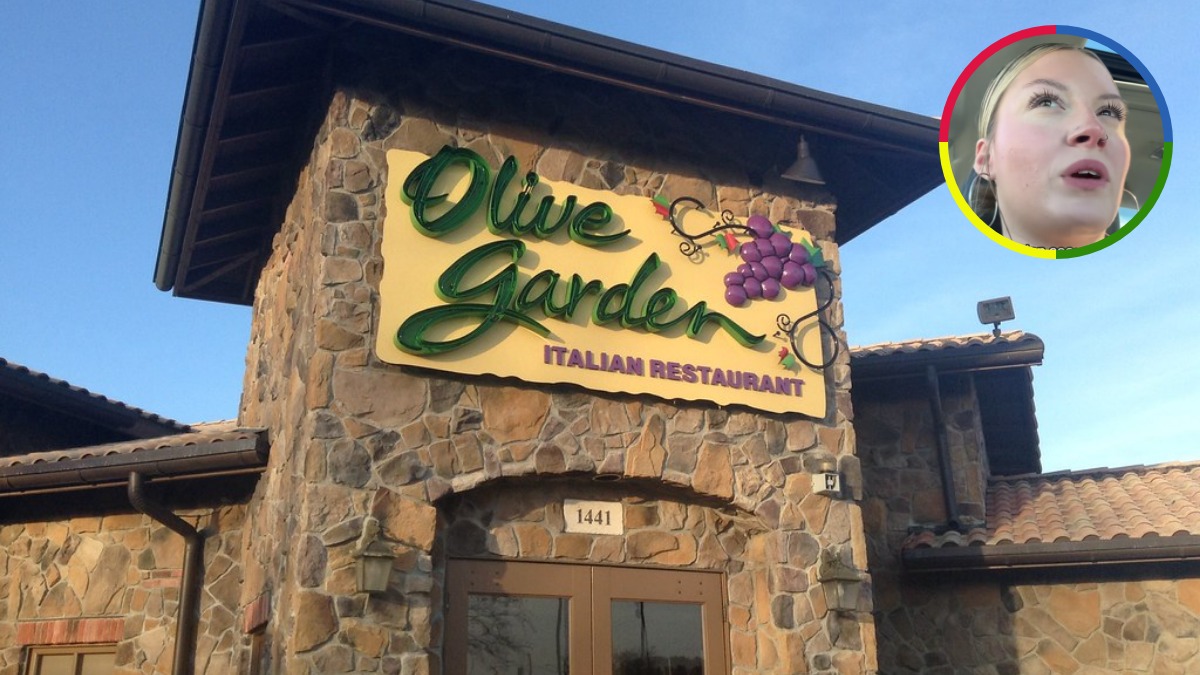

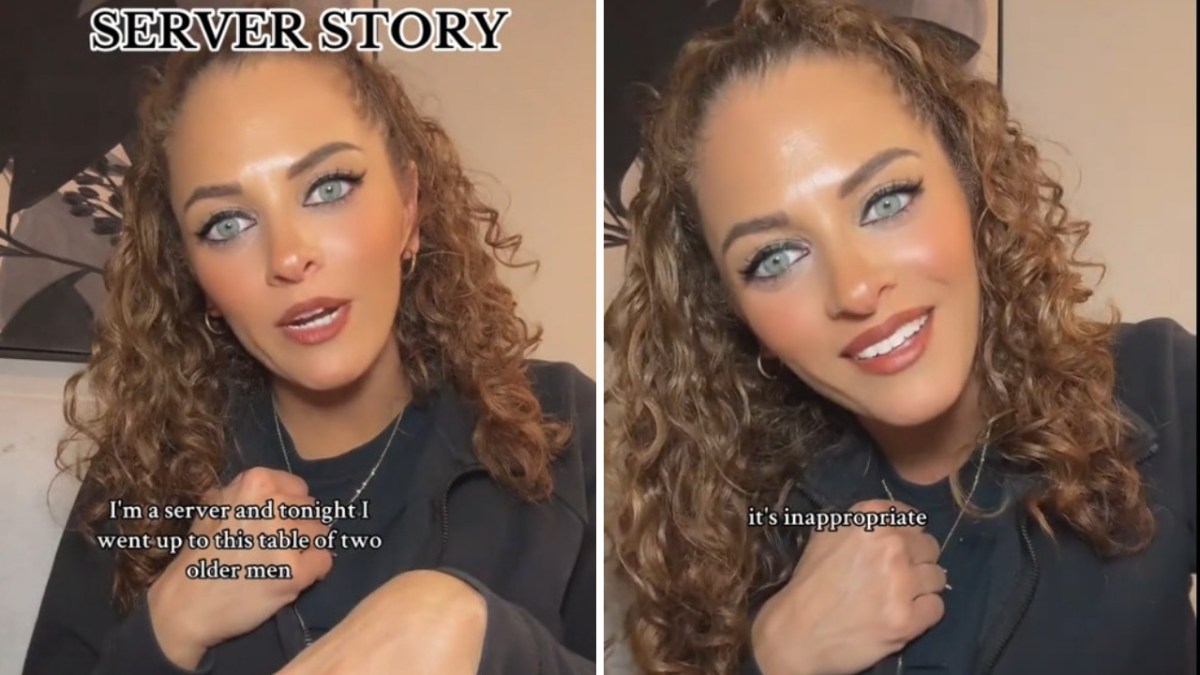
The never-ending soup, salad, and breadsticks deal at Olive Garden is a massive draw for diners, but it is creating a significant headache for the staff behind the scenes. A server on TikTok named Madeline recently shared her perspective on why this signature promotion is a major issue for those working the floor, BroBible reported.
In a video that has reached over 466,200 views, she created a skit imagining the corporate leadership at Olive Garden brainstorming ways to maximize profits while ignoring the workload placed on servers. The core of the problem, according to Madeline, is the sheer amount of manual labor required to manage unlimited refills compared to the relatively low check totals.
In her video, she portrays the company CEO by saying, “What’s a way that we could really f— over our servers and waste their time?” She then suggests that making the bottomless soup and salad deal just twelve dollars and fifty cents is the perfect way to keep the dining room busy without actually increasing the server’s earnings. It is a frustrating reality for staff who spend their entire dinner rush sprinting across the restaurant to keep up with demand.
When you break down the math, the situation looks pretty bleak for the people serving the food
Madeline points out that if a guest orders the twelve dollar and fifty cent deal and leaves a 20 percent tip, the server only walks away with two dollars and five cents for all that effort. It is a tough pill to swallow when you consider that the server is constantly running back and forth with bowls, salads, and breadsticks throughout the entire shift.
She also calls out other aspects of the service culture that feel unfair, noting that the restaurant advertises free water, free slices of lemon, and the option for no ice, all of which add more tasks to the server’s to-do list without adding a single cent to the final bill.
While it is easy to assume that servers are just making minimum wage anyway, the reality of the industry is much more complex. In the United States, federal law allows employers to pay tipped employees as little as $2.13 an hour, provided that their total earnings reach the federal minimum wage of $7.25.
Oregon, where Madeline works, operates under different rules because the state does not allow employers to use tips to offset the minimum wage. This means servers in Oregon are paid the full state minimum wage, which ranges from $14.05 to $16.30 an hour depending on the location. Even with that higher base pay, it is still difficult to make ends meet. Data from MIT’s Living Wage Calculator suggests that a single adult in Oregon needs to earn about $26.46 an hour to cover basic living expenses.
Consequently, tips remain a vital component of a server’s income, and when customers occupy a table for a long period while only ordering the cheapest unlimited options, it effectively prevents the server from turning the table over and helping new, higher-spending customers.
Madeline is certainly not alone in her frustration. Discussions on Reddit reveal that many other current and former Olive Garden employees share similar grievances. One worker on the platform bluntly stated, “Yall endless soup and salad and pasta bowl people waste all our time for barely any money.”
Another individual shared that they were particularly bothered by guests who order the least expensive unlimited items, demand repeated refills, linger at the table for hours, and then leave a minimal tip. This sentiment is echoed by many who find that the constant cycle of refills consumes more than half of their shift, leaving them exhausted and undercompensated.
The online conversation has even sparked some creative suggestions from the public. One viewer proposed that Olive Garden should transition to a buffet-style setup where customers can get up and serve themselves, which would alleviate the pressure on the waitstaff. Other servers chimed in to mention the logistical nightmares of large parties, noting that groups of over ten people often require two servers to be tied up at one table, preventing those employees from taking other, more lucrative tables.
Some viewers who identified as fans of the unlimited deal expressed a sense of guilt after hearing these stories, while others simply stated that they would never choose to work at the chain because of these specific service demands.
It is clear that while the value of the deal is great for the customer, the human cost of maintaining that constant flow of food is a heavy burden for the people working in the restaurant. The disconnect between what diners expect and what servers experience remains a major point of contention in the service industry.





Published: Jun 18, 2026 04:15 pm