



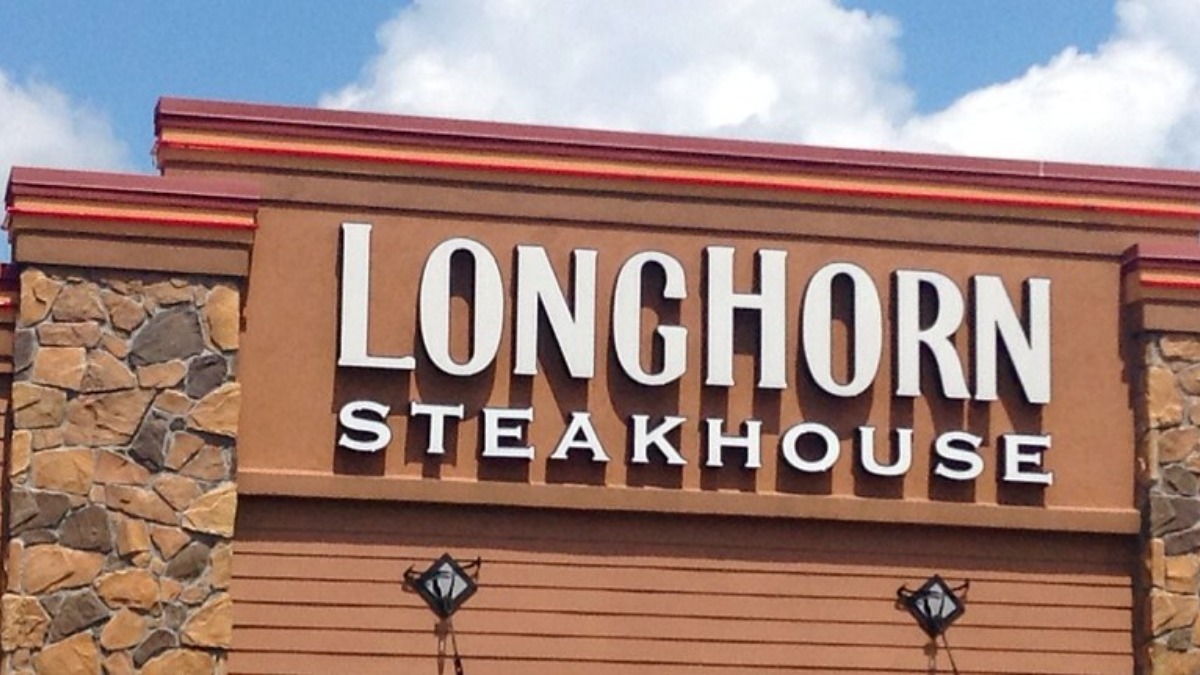

Jennifer, a TikTok creator known as @exclusivelyjen, posted a video claiming her family had been overcharged following a group dinner at LongHorn Steakhouse, only to later learn that the charge came from an unauthorized to-go order added to one of the tabs. The story gained traction when reported by BroBible, with LongHorn ultimately issuing full refunds to everyone who was charged more than their original bill. Her initial video framed the situation as a server quietly padding tips, but the restaurant’s investigation revealed a different explanation.
Jennifer’s family, a group of 17, split the bill across five separate checks. She noticed the discrepancy only after leaving, when her family compared what they had written down against what appeared on their bank statements. She claimed three of the five checks each showed an extra $20 that had not been authorized, and she posted a video publicly calling out LongHorn and urging the chain to hire better servers.
The video drew over 13,300 views and a wave of comments offering competing explanations. Several viewers suggested the charges could be explained by automatic gratuity, a common practice for large parties. However, automatic gratuity is no longer standard at LongHorn Steakhouse. Darden Restaurants, LongHorn’s parent company, phased it out following a 2013 IRS ruling that reclassified automatic tips as service charges subject to mandatory payroll taxes, a change that prompted several major chains to eliminate the practice.
The actual charge turned out to be something else entirely
When Jennifer followed up by calling the restaurant, she discovered the server had not submitted any of the receipts from that night. The restaurant pulled the orders from its point-of-sale system and found that a to-go order worth $40 had been added to one of her sister’s tabs without authorization. LongHorn confirmed the finding and refunded every person who had been overcharged.
The resolution drew its own attention online, particularly amid other viral stories about businesses and customers clashing over billing disputes. A separate TikTok-driven consumer story about an Enterprise employee went viral around the same time after sparking a heated debate in the comments between the original poster and his own coworkers. Jennifer’s situation followed a similar pattern: one person’s post, a flood of competing takes, and a final outcome that differed from the original claim.
Some commenters on Jennifer’s video had also pointed out that pending credit card charges can temporarily appear inflated before settling, with certain cards pre-authorizing an additional percentage on top of the billed amount. Jennifer’s update confirmed the issue went beyond a pending charge. The Fruit Love Island creator controversy was generating its own comment-section chaos that week, as creators across TikTok dealt with audience backlash playing out publicly in real time.
LongHorn issued the refunds after confirming the unauthorized to-go order through its point-of-sale records.





Published: Apr 3, 2026 05:15 pm