



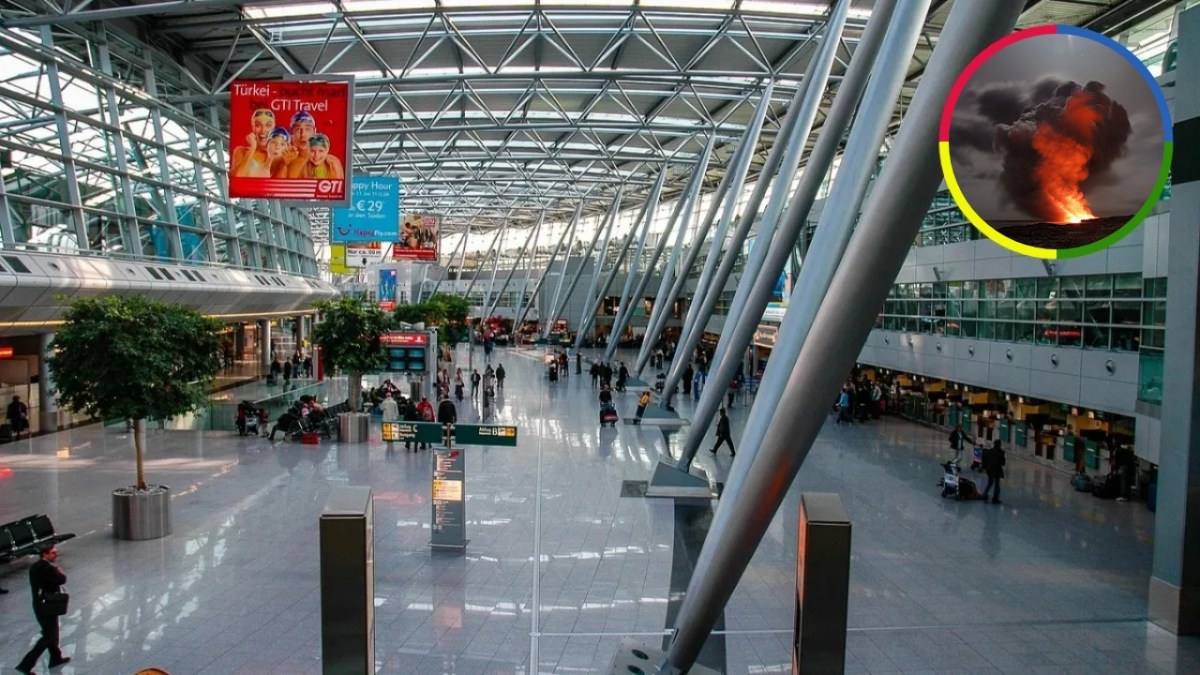

Eight Indonesian airports, including two that serve Jakarta, remain closed due to heavy volcanic ash blanketing the region. This massive disruption stems from ongoing eruptions at Mount Anak Krakatau, a volcano located halfway between the islands of Java and Sumatra.
As reported by CNN, the transport ministry confirmed that 170,000 travelers are currently stranded as a result of these flight cancellations. The situation is evolving rapidly, and the scale of the impact is significant, with 1,558 flights reportedly delayed across the eight affected airports.
Jakarta’s main airport, Soekarno-Hatta, is currently facing extended closures. Operators announced on Instagram that the facility will remain shuttered until the situation improves. Other airports serving the nearby provinces of Lampung and West Java are also reportedly facing strict operational halts.
Warnings have been issued for more eruptions
Transport Minister Dudy Purwagandhi highlighted the difficulty in planning for a return to normal operations given the volatile conditions. “We cannot ascertain when this will end due to the dynamic weather,” Dudy Purwagandhi said in a statement. The ministry also noted that more than 900 of the affected flights were scheduled to arrive at or depart from Soekarno-Hatta specifically.
The volcanic activity began late on Friday, and the situation intensified throughout the weekend. The agency also issued a warning that “the probability of further eruptions in the coming periods remains high.”
Meteorological agency BMKG reported that ash clouds have reached staggering heights, hitting 20,000 feet on the Java side and up to 50,000 feet on the Sumatra side. This intense plume has reportedly blanketed surrounding areas, leading to visible layers of ash on cars and roads in the city of Bandar Lampung.
For the people caught in the middle of these travel delays, it has been a frustrating experience, The Guardian reports. Henny Yensan, a 44-year-old businesswoman, was reportedly attempting to travel to her hometown with her mother when the closures were announced.
She noted that “everybody was disappointed” by the sudden halt to air travel. Despite the disruption to her plans, she added, “No one flew into a rage because, after all, this is due to natural disaster.” She has since moved her flight to another day, joining thousands of others who are waiting for the skies to clear.
The impact extends beyond just air travel. Local authorities have implemented safety measures to protect citizens from the health risks associated with breathing in fine volcanic ash. The disaster agency advised people to wear masks while outdoors. In both Jakarta and Lampung, schools have reportedly shifted to remote learning environments to keep students safe.
Navigation in the surrounding waters is also being reportedly heavily restricted. Ships passing through the strait have been ordered to increase their vigilance, and vessels are strictly prohibited from entering a 3-kilometer exclusion zone around the volcano.
Geology agency head Lana Saria warned that materials being ejected from the crater pose a direct danger to anyone within that radius. While the current series of eruptions is concerning, Saria noted that these events do not have the potential to trigger a tsunami at this time.









Published: Sep 7, 2026 04:00 pm