



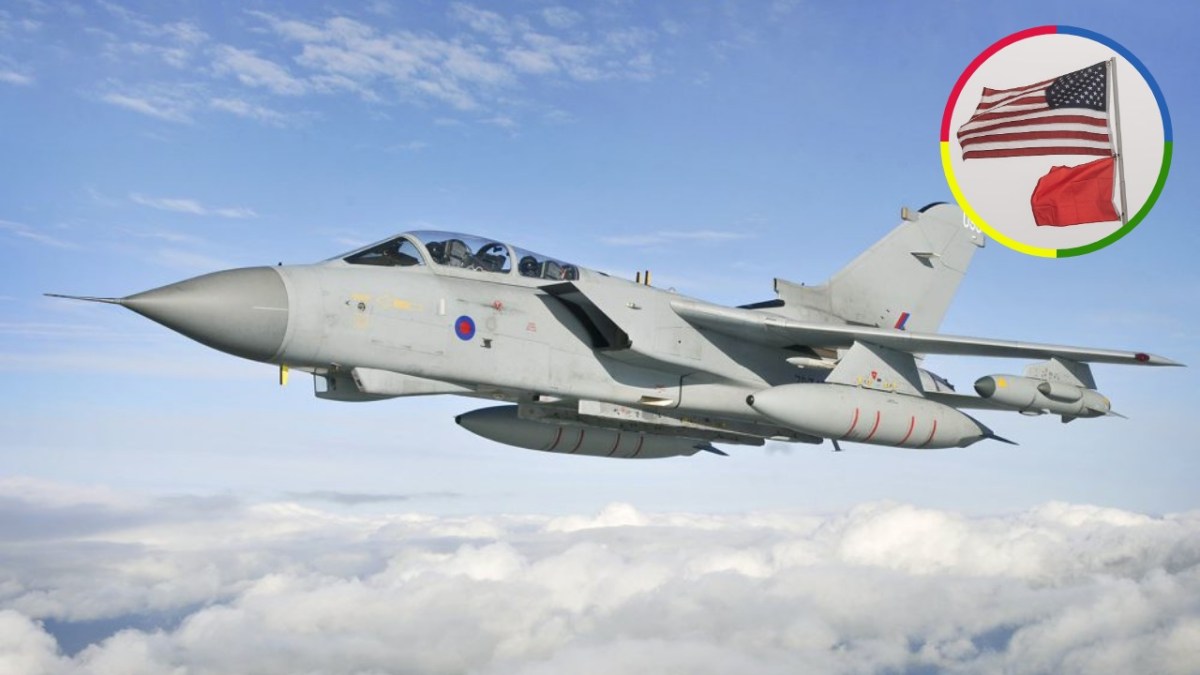

It sounds like a scene ripped straight from a techno-thriller, but it was a very real close call. A U.S. military operation was set in motion this spring to board a Chinese vessel in the Middle East, all based on a faulty intelligence report generated by an AI chatbot. The episode “almost started a war,” one source told CNN.
This wasn’t a case of a rogue AI deciding to launch an attack on its own. It started when an analyst asked an AI chatbot about intelligence on the ship’s manifest from U.S. Special Operations Command Pacific. The chatbot fused open-source intelligence with secret signals intelligence and incorrectly inferred the ship was hauling components tied to a nuclear weapons program.
The analyst then used AI a second time to package these findings into a standard intelligence report, the kind military officials trust, and disseminated it. As the United States was at war with Iran at the time, the claim immediately set off alarm bells. Armed U.S. personnel were preparing to board the Chinese ship, and military planes were already in the air.
The scary part is how official the false report looked by the time it landed
Officials dug deeper into the underlying intelligence shortly before the planned operation. The report turned out to be “entirely false,” one source said, and the boarding never went ahead. A boarding could have sparked a direct confrontation, as both the United States and China are nuclear-armed powers. It’s still unclear what the Chinese ship was actually carrying, and the vessel has not been publicly identified.
The bigger concern is how far the AI chatbot’s conclusion traveled before anyone questioned it. As young analysts are natives on these tools, several sources said they are more likely to trust them uncritically. Some older intelligence officials also said AI has pressured analysts to produce and disseminate intelligence faster, opening the door for mistakes.
Keeping a “human in the loop” is often pitched as the safety net for military AI. However, one source familiar with the military’s current policies said there is no real guidance on how that oversight prevents civilian casualties. There is also no single set of standards for how the U.S. verifies what an AI chatbot produces.
Multiple U.S. officials said different parts of the government use different tools under different orders and safety standards. Defense Secretary Pete Hegseth released his “Artificial Intelligence Acceleration Strategy” earlier this year to speed up the military’s use of the technology. But that push has also drawn criticism, with Sen. Elizabeth Warren raising concerns about the Pentagon allowing xAI into top-secret systems.
There is currently no public information identifying the specific AI chatbot involved in the Chinese ship scare. It remains unclear whether it was a commercial tool or a U.S. government product. U.S. Special Operations Command Pacific and the Pentagon did not respond to requests for comment.
Chinese President Xi Jinping is set to visit Washington on September 24 for talks with President Donald Trump, and AI is expected to be on the agenda.



Published: Sep 19, 2026 06:45 am