


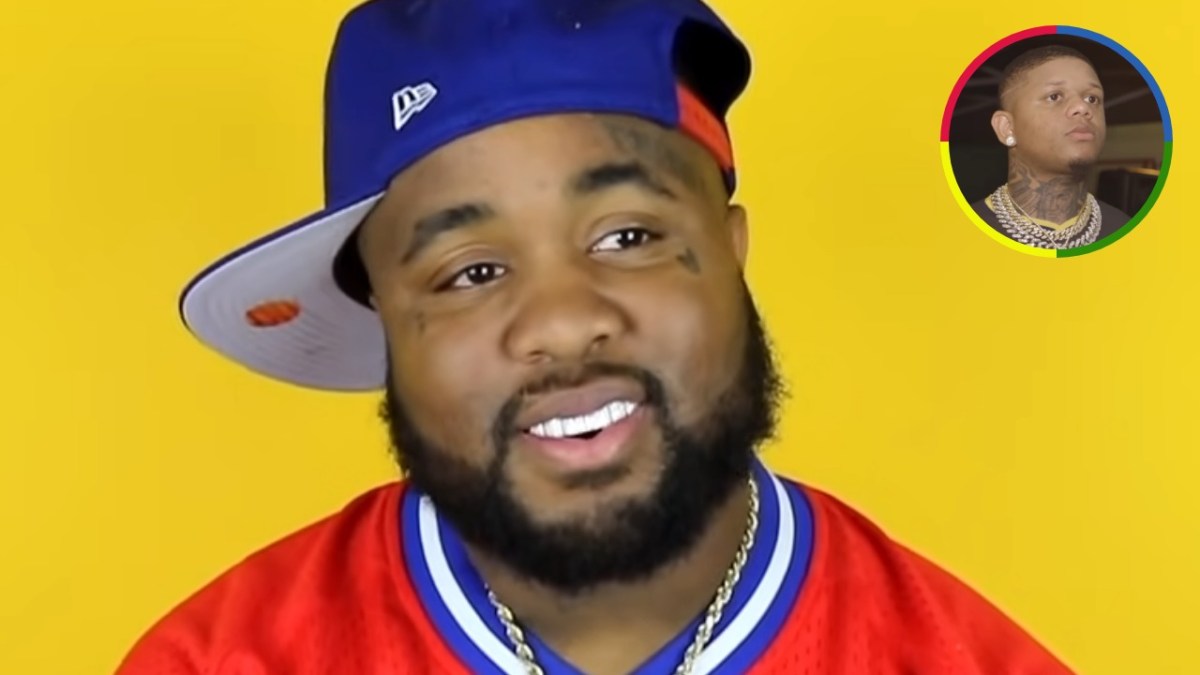

A Dallas County jury on Wednesday unanimously convicted rapper Yella Beezy of capital murder for hiring the gunman who killed fellow rapper MO3, according to CNN. The Yella Beezy verdict arrived six years to the day after MO3 was shot on Interstate 35E near the Dallas Zoo.
Yella Beezy, whose legal name is Markies Conway, is 35 years old. Judge Chika Anyiam sentenced Conway to life without parole, and the punishment came moments after jurors delivered the verdict. MO3, whose legal name was Melvin Noble, was 28 when he died in the shooting on November 11, 2020.
Prosecutors argued that Conway paid the gunman, Kewon White, $40,000 to carry out the killing. White was convicted in September and also received life without parole, though White said afterward that Conway never paid him. Conway pleaded not guilty, and defense attorneys challenged the state’s account of the case throughout the trial.
Yella Beezy’s lawyer says prosecutors relied on speculation
Defense attorney John Gussio argued that the state “brought a lot of speculation” rather than direct proof, and the defense said it plans to appeal the conviction. The Yella Beezy case may therefore continue in a higher court, as appellate judges can review the conviction and the evidence the jury heard.
A courtroom reporter’s post on X described the judge sentencing Conway right after the verdict and noted that he had been out on bail during the trial. Family members of MO3 were in the gallery, and several of them wept as the verdict was read, according to the reporting from the courthouse.
District Attorney John Creuzot said he hoped the Yella Beezy conviction would give the family some measure of peace after six years. Lead prosecutor Tommy Adams described the case as one of the most challenging his office had handled in that span, which reflects how long it took to move from the shooting to a verdict.
Conway was indicted in March 2025, more than four years after the shooting. A third defendant, Devin Brown, is also charged and is awaiting trial. Conway’s lawyer argued that Brown had a stronger motive than Conway did, although the jury ultimately sided with prosecutors on the question of who arranged the killing.
The verdict against Conway does not decide Brown’s case. However, testimony from the Conway trial and from White’s earlier trial may shape how prosecutors approach that proceeding, as each defendant is tried separately on the evidence presented to his own jury and the arguments made in that courtroom.
Prosecutors in Dallas pointed to a payment as the motive, a money angle that also surfaced when a mobile barber was shot dead over an iPhone. However, the jury here was asked to decide whether Conway arranged and paid for a killing, not whether he fired the shots, and the verdict addressed the hiring allegation.
Gussio’s plan to appeal means the verdict may not be the last word. Appeals of murder convictions often take many months, and the specific arguments the defense could raise have not been laid out in the reporting so far, so the next phase of the Yella Beezy case is difficult to predict.
Conway’s conviction ends the trial phase, yet the case could continue for years. Brown’s eventual trial may bring new testimony about how the killing was planned, which both prosecutors and the defense are likely to scrutinize closely.


Published: Nov 13, 2026 08:30 am