



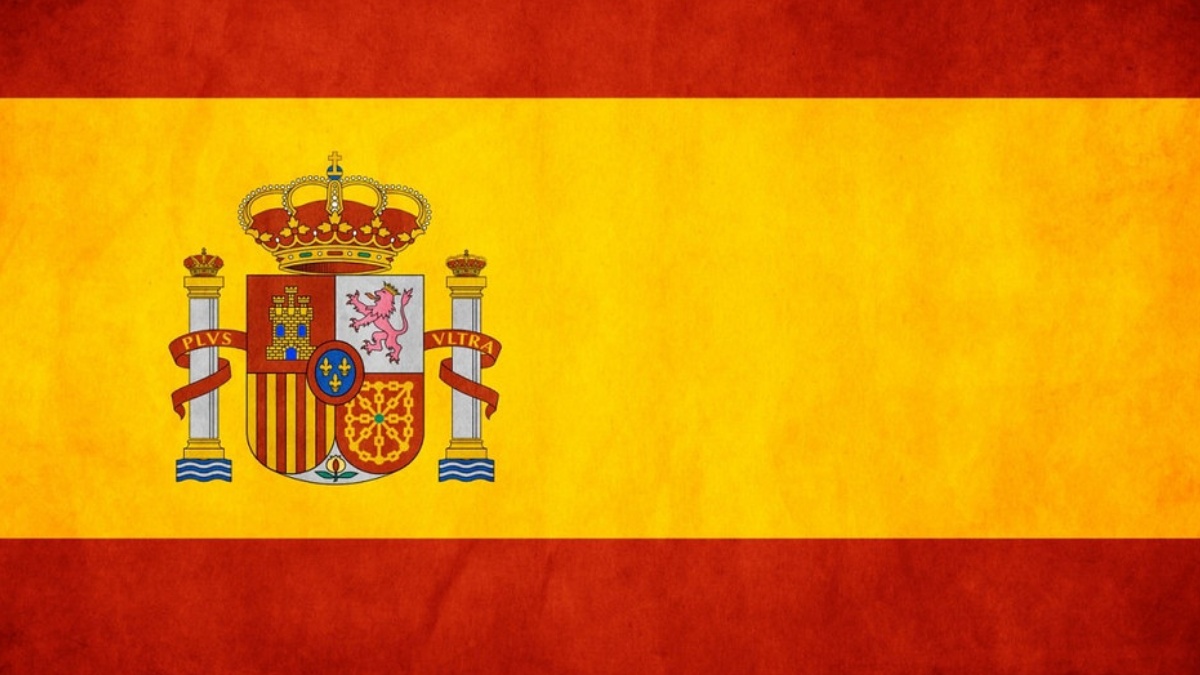

Antonio Tejero, the Spanish officer who led the failed coup attempt in 1981, has died at 93. The incident came to light through The Guardian, which reported his death was announced the same day Spain’s socialist-led government moved to declassify documents tied to the plot.
Tejero was a central figure in a network of right-wing police and military officers who tried to seize power during Spain’s post-Franco transition. He became synonymous with the coup after storming parliament on February 23, 1981, wearing a tricorn hat and pointing a pistol at members of parliament.
The coup collapsed after King Juan Carlos refused to back it and ordered the military to obey the democratic constitutional order. Tejero had also been involved in a separate attempted putsch in 1978, but the 1981 attempt became the defining event of his public life.
Declassified files add new detail to a pivotal moment
Tejero was sentenced to 30 years in prison for his role in the coup attempt but was released after serving half that term. He remained unrepentant about the effort, telling an interviewer five years ago that he did not regret trying despite the consequences for his career and freedom.
His family announced his death on Wednesday, saying he had devoted his life “to God, Spain and his family.” His lawyer, Luís Felipe Utrera Molina, posted a tribute on X calling him “a man of honour, of unshakeable faith and with a great love for Spain.”
In recent years, Tejero took part in protests against the government’s decision to exhume Francisco Franco’s remains in 2019. The report said one of his sons, a priest named Ramón Tejero, said mass at Franco’s reburial.
The government decided to publish 153 files on its website hours before Tejero’s death was made public. Prime Minister Pedro Sánchez posted on X that “Truth, memory and democracy” mattered, adding that remembering the past was the best way to move forward “with progress, harmony and freedom.” It came as Al Green removed at SOTU drew attention in Washington.
One defense ministry report said members of the intelligence service were involved in, or had knowledge of, the coup plan. It referenced “six people who either knew the facts before February 23, or who drew up operational support and then tried to cover their involvement.”
Another document quoted one of the plotters lamenting the coup’s failure and regretting they had left Juan Carlos free and “treated him as if he were a gentleman,” describing him as “an objective to be removed.” An interior ministry file said an investigation found some plotters tried to reduce their criminal responsibility by attempting to implicate the King, calling those efforts twisted, malicious, and based on inventions. Separate political attention has centered on Spanberger rips Trump on ICE.





Published: Feb 25, 2026 08:00 pm