



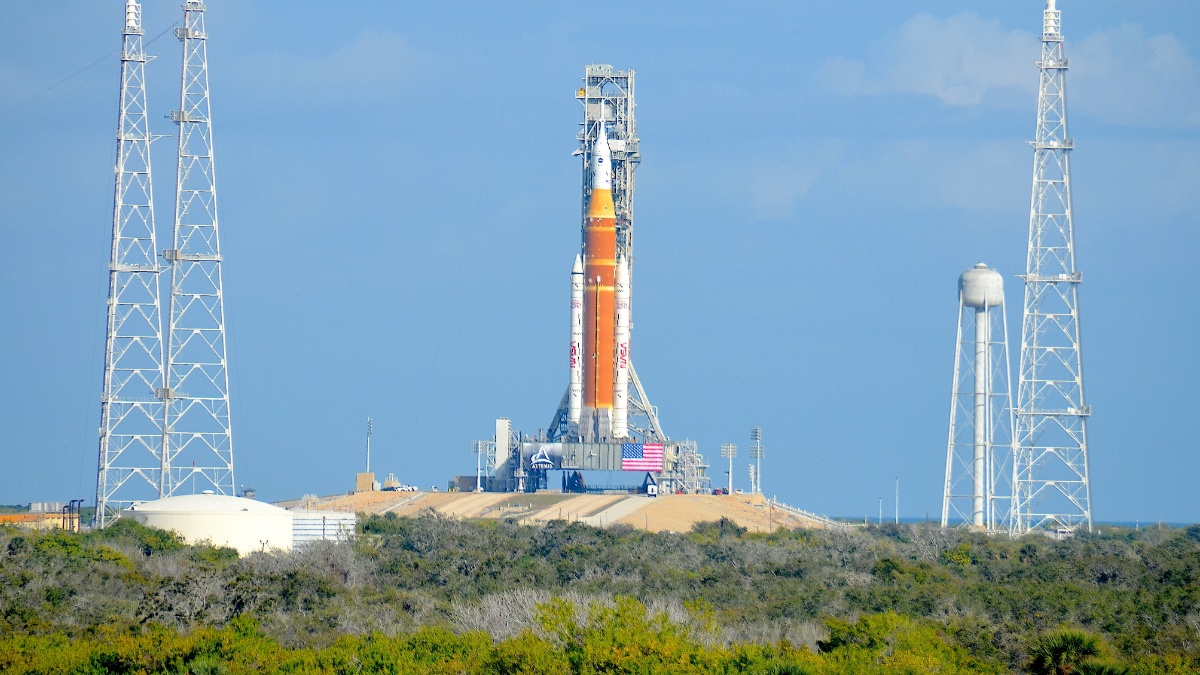

NASA is preparing to roll its Artemis 2 moon rocket out to the launch pad on March 19, keeping the mission on schedule after a brief delay. As detailed by Space.com, the rollout is set to begin around 8:00 PM EDT and could take up to 12 hours to complete.
The agency confirmed that work inside the Vehicle Assembly Building was completed faster than expected, allowing the Space Launch System rocket to return to its original rollout timeline. The move comes after a short delay caused by repairs to an electrical harness in the flight termination system.
This marks another step forward for a mission that has already faced earlier setbacks this year. The rocket was first rolled out in January ahead of a planned February launch, but issues discovered during wet dress rehearsal fueling tests forced NASA to return it to the assembly building, shifting the launch window to April.
The mission timeline is back on track for now
NASA is currently targeting an April 1 to April 6 launch window, with additional opportunities later in the month if needed. The Artemis 2 mission will be the first crewed flight of the Artemis program and the first time astronauts travel aboard the Orion spacecraft.
The mission will carry NASA astronauts Reid Wiseman, Victor Glover, and Christina Koch, along with Canadian Space Agency astronaut Jeremy Hansen, on a 10-day trip around the moon. The flight is intended to test systems needed for future deep space missions.
NASA’s broader goal is to build a sustained human presence on the moon, using a model similar to long-term operations aboard the International Space Station. That effort comes as space agencies and private companies continue expanding capabilities, amid the big tech handouts scrutiny.
Unlike missions in low Earth orbit, lunar expeditions require significantly more advanced life support systems and contingency planning due to the distance from Earth. Emergency returns would take days instead of hours, increasing the importance of mission reliability.
Looking ahead, NASA plans to follow Artemis 2 with Artemis 3, currently targeted for 2027, which will focus on testing rendezvous and docking systems with lunar landers. Those systems are still in development and have faced delays, with broader technology debates also including the device surveillance fight.
NASA has stated that Artemis 4 is now expected to be the first mission to land astronauts on the moon under the current timeline, with a target in 2028.








Published: Mar 19, 2026 07:30 am