



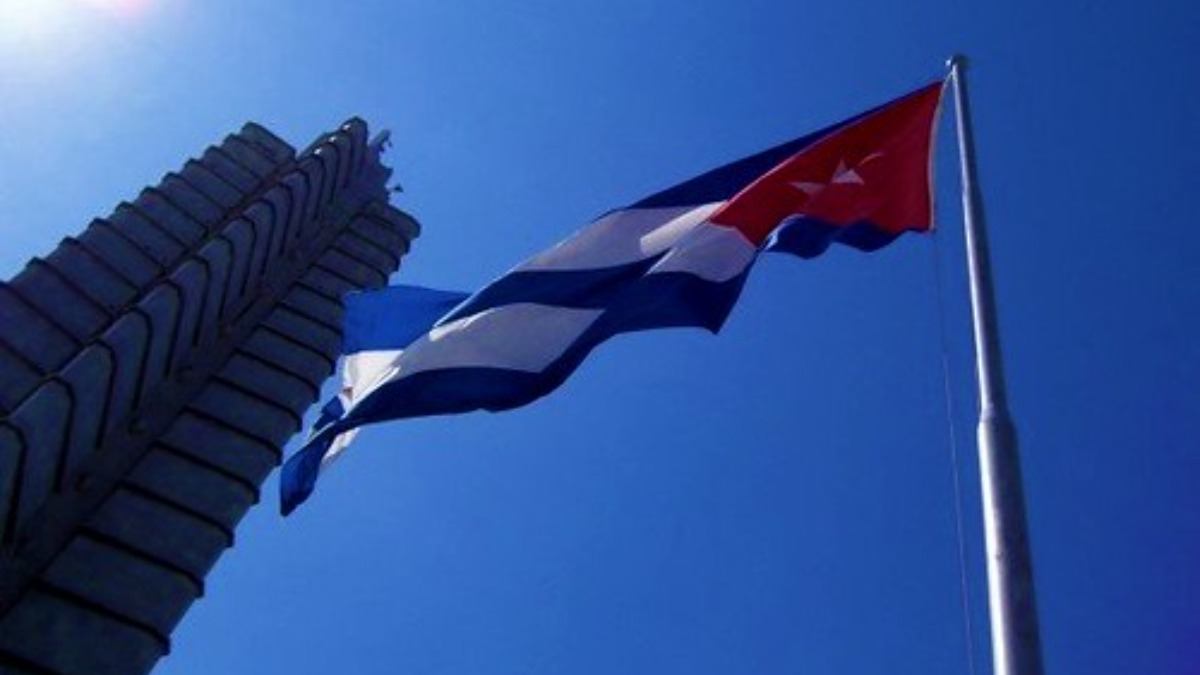

Cuba has rejected a US request to import diesel for its Havana embassy, labeling the demand “shameless” amid President Trump’s ongoing blockade of the Caribbean nation. The US Embassy made the request after a severe fuel shortage forced officials to weigh staffing cuts, but Cuban authorities turned it down swiftly and without ambiguity.
A note from the Cuban Ministry of Foreign Relations stated, “The Ministry interprets as shameless the claim by the diplomatic mission to access a good as a privilege that it denies to the Cuban people.” The ministry also said the blockade aims at “causing the greatest possible harm to the Cuban economy, the wellbeing of the people and their standard of living.” The story gained traction when reported by the Express.
The situation stems from the Trump administration effectively halting vital oil exports to Cuba. Trump has suggested he could “do whatever he wants” with the island, called on Cuba to “make a deal before it’s too late” in January, and floated the idea of a “friendly takeover” of the nation.
Cuba’s energy crisis has already pushed the country to a breaking point
The blockade intensified last month when a US Coast Guard vessel intercepted a tanker carrying crude oil from Colombia bound for Cuba, amid broader scrutiny of how the administration is using maritime enforcement to control energy flows in a pattern that echoes Iran’s Hormuz shipping controls. Since January 9, the island has received no major fuel shipments, driving black market gasoline prices to around $35 a gallon and making daily power outages increasingly common.
This past Monday, Cuba’s national power grid suffered a total collapse, plunging all 11 million of its residents into darkness. Cuba’s economy has traditionally depended on imported oil from Venezuela and Mexico.
That supply chain took a further hit from US intervention in Venezuela late last year, which included the seizure of tankers bound for Cuba and a blockade on Venezuelan oil exports. Trump has also authorized additional tariffs on imports from countries that directly or indirectly supply oil to Cuba, and has stated that regime change on the island is a goal he hopes to achieve by the end of the year.
Cuba’s Communist government has weathered US sanctions since the embargo was first imposed in 1962, originally aimed at toppling Fidel Castro following the fall of the US-backed Batista dictatorship in 1959. Relations eased somewhat under President Barack Obama but have deteriorated sharply during Trump’s second term.
Vice-Foreign Minister Carlos Fernandez de Cossio reinforced on Friday that President Miguel Diaz-Canel has no intention of stepping down, and Cuban officials have rejected any suggestion of a leadership change, amid a separate legal dispute involving a US veteran’s ICE protest case that has kept questions about government enforcement conduct in the news.






Published: Mar 21, 2026 09:45 am