



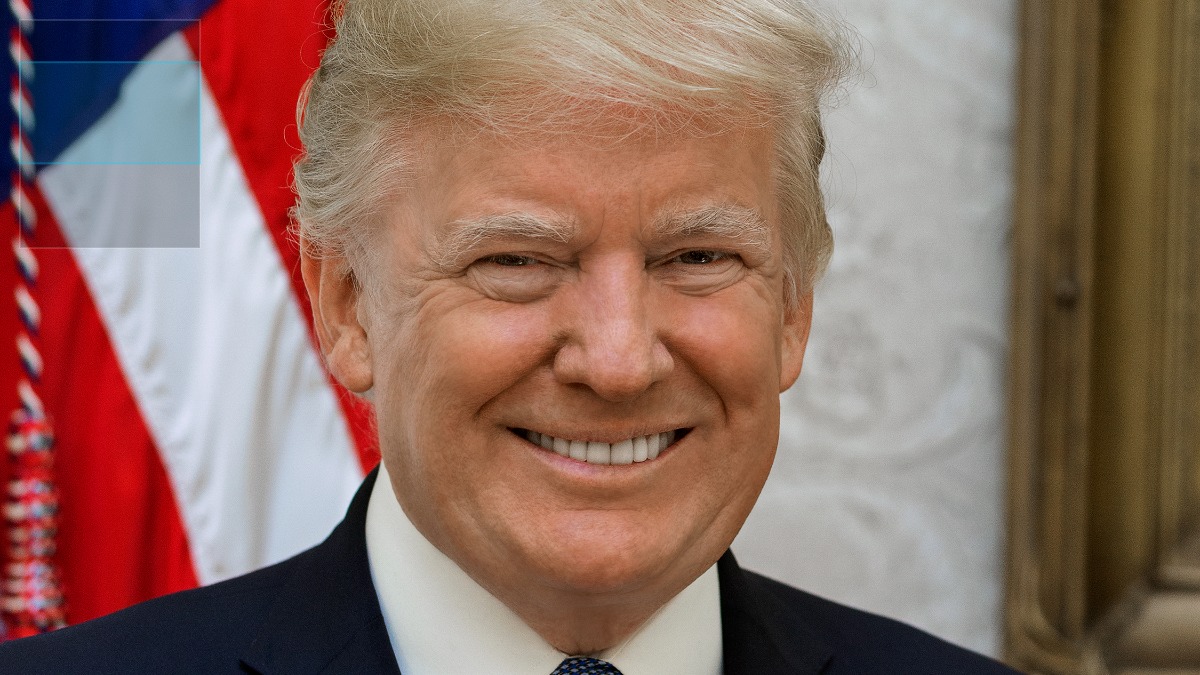

Shortly after the death of former FBI Director Robert Mueller was reported, President Trump posted on Truth Social: “Robert Mueller just died. Good, I’m glad he’s dead. He can no longer hurt innocent people!” Mueller passed away at 81 years old. Mueller had led the special counsel investigation into Trump’s 2016 presidential campaign and its alleged ties to Russia during Trump’s first term.
While the comment shocked many, it fits into a broader pattern of Trump making harsh remarks about people he saw as political enemies. This latest statement, however, stood out because he was not just criticizing Mueller; he was openly celebrating his death.
According to CNN, this is not the first time Trump has made insensitive remarks about people who have died. He has done this repeatedly over the years, targeting soldiers, senators, and political opponents alike. Each time, the comments drew criticism, but rarely slowed him down.
Trump’s history of attacking the deceased goes back years and has only grown more aggressive over time
In 2017, Trump was accused of telling the widow of a fallen soldier that her husband “knew what he signed up for.” Trump called it a “very respectful conversation,” but the White House later appeared to quietly confirm the remarks were made.
After Senator John McCain died in August 2018, Trump resumed his attacks on the Arizona senator in early 2019. He criticized McCain for voting against his health care law, falsely claimed McCain had graduated “last in his class,” and falsely accused him of sharing the “Steele dossier” with the FBI before the 2016 election. Critics who follow Trump’s pattern of making unethical personal attacks say this behavior has only grown bolder over time.
In late 2019, Trump suggested that late Michigan Representative John Dingell was “looking up” from hell. Dingell’s widow, Representative Debbie Dingell, responded publicly, saying, “I’m preparing for the first holiday season without the man I love. You brought me down in a way you can never imagine and your hurtful words just made my healing much harder.”
About 24 hours after former Secretary of State Colin Powell died in 2021, Trump released a statement criticizing Powell’s “big mistakes on Iraq” and calling him a “classic RINO” who was “always the first to attack other Republicans.” Powell had voted against Trump in both 2016 and 2020.
In December, Trump reposted attacks on the Kennedy family just hours after John F. Kennedy’s granddaughter, environmental journalist Tatiana Schlossberg, died following a terminal brain cancer diagnosis.
Weeks before that, shortly after director Rob Reiner and his wife were killed, Trump suggested Reiner had died from “Trump Derangement Syndrome,” adding, “He was known to have driven people CRAZY by his raging obsession of President Donald J. Trump, with his obvious paranoia reaching new heights.”
Several Republicans criticized Trump over those remarks about Reiner. His presidency has also drawn scrutiny over major financial dealings under his administration, adding to broader concerns about his conduct in office.
Now, just three months later, Trump’s comments about Robert Mueller have drawn similar backlash, this time, even from within his own party. Unlike previous instances where he criticized the recently deceased, Trump’s post about Mueller was a direct celebration of someone’s death, which many feel marks a new low, even by his own standards.









Published: Mar 23, 2026 10:15 am