



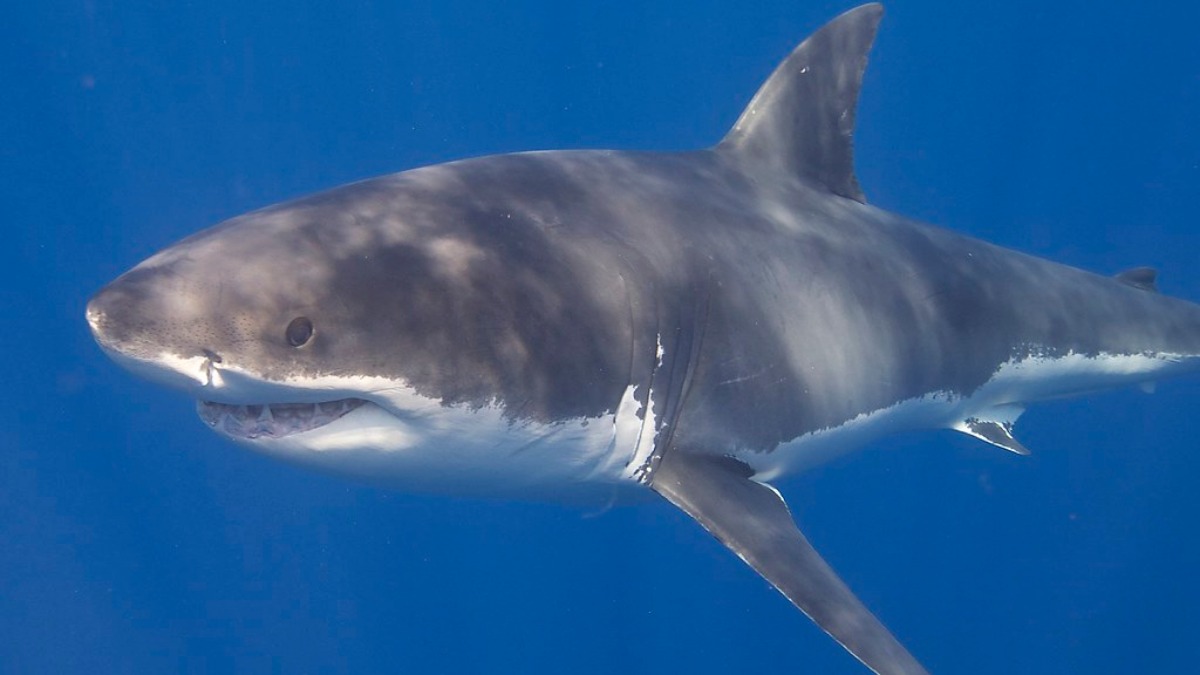

Sharks swimming off the coast of the Bahamas have tested positive for cocaine, caffeine, and painkillers, according to a new study. Researchers from the Cape Eleuthera Institute collected blood samples from three shark species near Eleuthera Island, roughly 50 miles east of Nassau, and found traces of cocaine, caffeine, the anti-inflammatory diclofenac, and paracetamol.
The study gained attention when reported by UNILAD. Lead author Natascha Wosnick suggested that loose cocaine packets may have entered the water, with sharks biting them out of natural curiosity. “They bite things to investigate and end up exposed to substances,” she said.
Caffeine was the most frequently detected substance, turning up in 27 of the 85 sharks tested. Cocaine was found in two sharks, diclofenac in 13, and paracetamol in four. The study marks the first recorded detection of caffeine and paracetamol in sharks anywhere in the world, and the first confirmed presence of cocaine and diclofenac in sharks in the Bahamas.
Scientists still don’t know how these substances are changing shark behavior
Sharks that tested positive showed changes in metabolic markers including lactate and urea. What remains unclear is how those internal changes translate to shifts in behavior, a question researchers say requires further study.
The highest concentration of positive results came from a site that draws significant tourist activity. Wosnick suggested that divers are a more likely source of contamination than ocean currents carrying traces from island sewage or other land-based sources.
That points to a direct human link to the substances found in the marine environment. It comes amid broader scrutiny of how human activity causes unintended harm, including a recent jury ruling against Meta over harm caused to users on its platforms.
The Bahamas findings are not isolated. A separate study in Brazil previously detected measurable cocaine levels in all 13 wild sharpnose sharks tested off the coast of Rio de Janeiro. Most also carried benzoylecgonine, a cocaine metabolite. Those results were similarly attributed to human activity.
The article also covers a separate development involving a large great white shark named Contender, described as the largest ever recorded in the Atlantic at roughly 14 feet and over 1,600 pounds. He was tagged earlier this year but then disappeared from tracking systems for nearly a month before resurfacing off the coast of North Carolina, having previously been detected along the Florida-Georgia coastline.
His reappearance drew attention this week alongside other unexpected events making news, including a robot that suddenly struck a child at a public event in China. Researchers believe Contender’s movement reflects seasonal migration patterns, with great whites typically moving from southern overwintering areas toward northeastern US and Atlantic Canadian waters between late spring and early summer.








Published: Mar 26, 2026 01:00 pm