



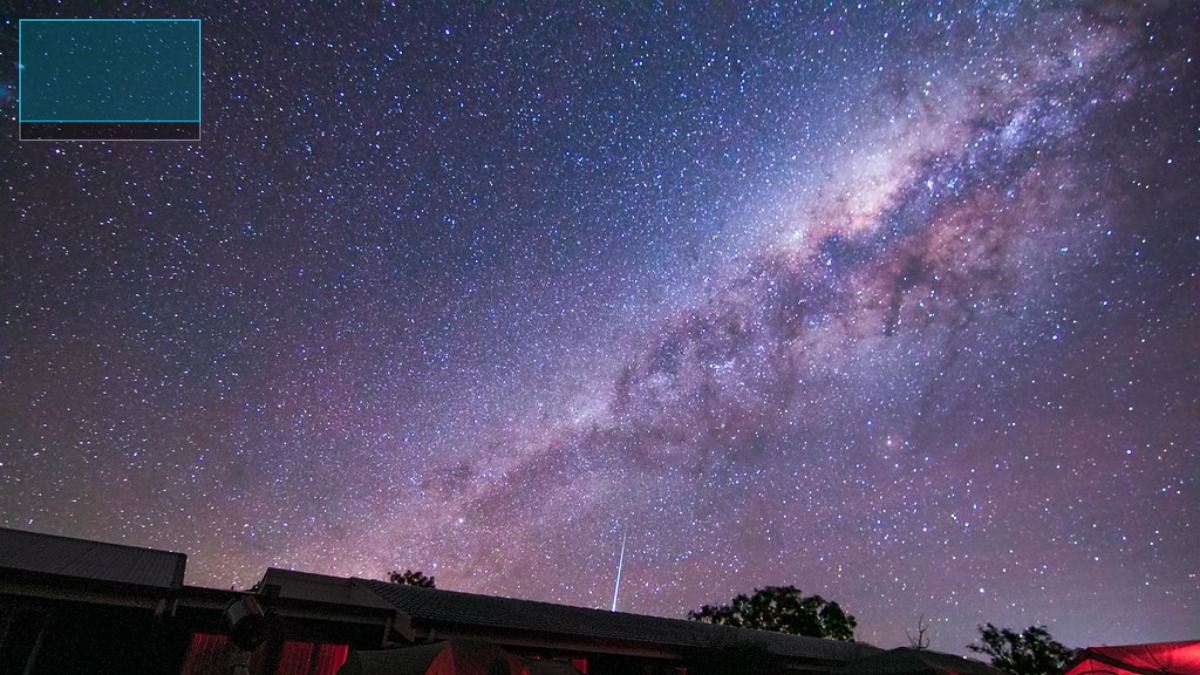

The US has seen a sharp uptick in fireball sightings, with over 2,000 reported across the country in just the last three months. One incident in Texas has drawn particular attention, with a bright orange streak appearing to shoot upward into the sky rather than falling toward Earth, prompting the American Meteor Society (AMS) to call for a “serious investigation.”
The AMS confirmed that the number of sightings in the first quarter of this year surpasses any other first quarter since 2011. As detailed by the Unilad, more than 2,000 cases have been logged, and globally there have been 38 major fireball events, more than 2024 and 2025 combined.
While the AMS attributes most of the activity to an increase in natural meteor showers, the volume and some unusual trajectories have fueled UFO theories online. The March 17 sighting in Texas, where the object appeared to ascend rather than descend, has been among the most discussed.
The sonic booms are harder to explain away than the sighting numbers alone
The AMS has identified many of the meteorites recovered as achondritic HEDs, a type that does not form chondrules and typically originates from Vesta, a large asteroid between Mars and Jupiter. On March 21, one meteorite crashed through the roof of a home in Houston.
These are not small events. The AMS reports that many witnesses observed meteors lasting longer than four seconds, with some producing sonic booms. Generating a sonic boom requires an object to be traveling at 25,000 miles per hour or more, which underscores the energy involved in these incidents.
The AMS has offered a few possible explanations for the surge in reports. One factor may be the growing use of AI chatbots, which can direct people who spot something unusual to the AMS website or similar platforms to file a report, a pattern that mirrors how AI-driven tools are increasingly shaping public interaction with official agencies.
NASA also weighed in, suggesting Earth may be passing through larger debris fields at this time of year. The widespread adoption of smartphones and home security cameras has also made it easier than ever to capture and report sightings.
The last time the US recorded over 2,000 fireball events in a comparable period was 2021. Events where meteors fall and cause significant harm remain rare, though the Houston roof strike has drawn renewed attention to the question of monitoring and preparedness, a concern that has surfaced in other debates over federal agency oversight in recent weeks.








Published: Mar 31, 2026 08:15 pm