



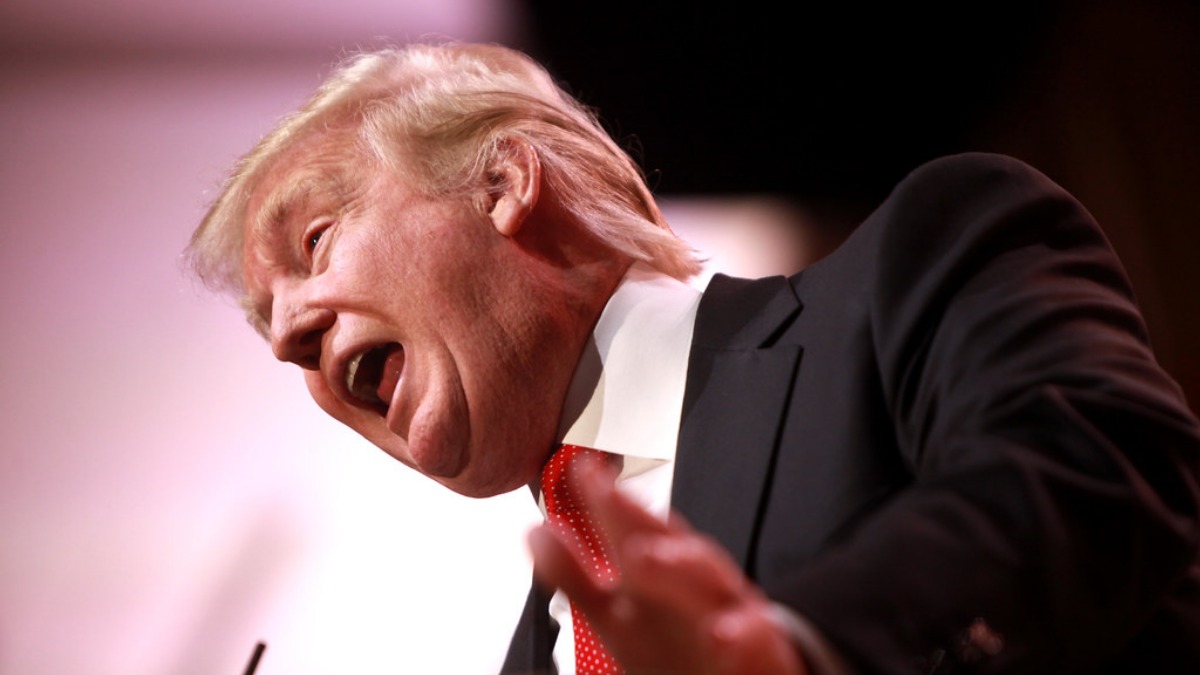

President Trump has made it clear that he believes Iran is failing to uphold its end of the ceasefire agreement regarding the vital Strait of Hormuz. In a series of posts on Truth Social, the president expressed his frustration, stating that Iran is doing a very poor job and acting in a way some would call dishonorable by not allowing oil to move through the channel as previously arranged, The Hill reported.
It is a tense situation, especially since the president previously noted that the success of the two-week ceasefire was directly contingent on the reopening of this critical waterway. The Strait of Hormuz serves as a major trading corridor for the global economy. In fact, it carries roughly a fifth of the world’s oil consumption on a daily basis.
The recent war between the United States and Iran effectively shut down the strait, which caused global energy prices to skyrocket. When the ceasefire was announced on Tuesday evening, it provided a glimmer of hope that this essential shipping lane would return to normal operations. However, the current reality on the ground seems to be drifting away from that goal.
Reports have surfaced suggesting that Iran is not just restricting passage but is also attempting to monetize the route
A spokesperson for the Iranian Oil, Gas and Petrochemical Products Exporters’ Union, which works alongside the Iranian government, indicated that they intend to impose a toll of $1 per barrel of oil. Perhaps most interestingly, they are reportedly demanding this payment in cryptocurrency. To make matters even more complicated, retired Gen. David Petraeus, the former commander of U.S. Central Command, mentioned that some companies have reportedly paid as much as $200 million per vessel to traverse the area.
This is a bizarre turn of events, especially considering that the president himself floated the idea of a joint venture regarding tolls just a day prior. When asked about his reaction, he mentioned that the United States was thinking of doing it as a joint venture.
He described this potential move as a way of securing the strait from various entities and even called it a beautiful thing. Despite that initial suggestion, he has now taken a firm stance against Iran acting on its own. He posted that Iran better not be charging these fees, and if they are, they need to stop immediately.
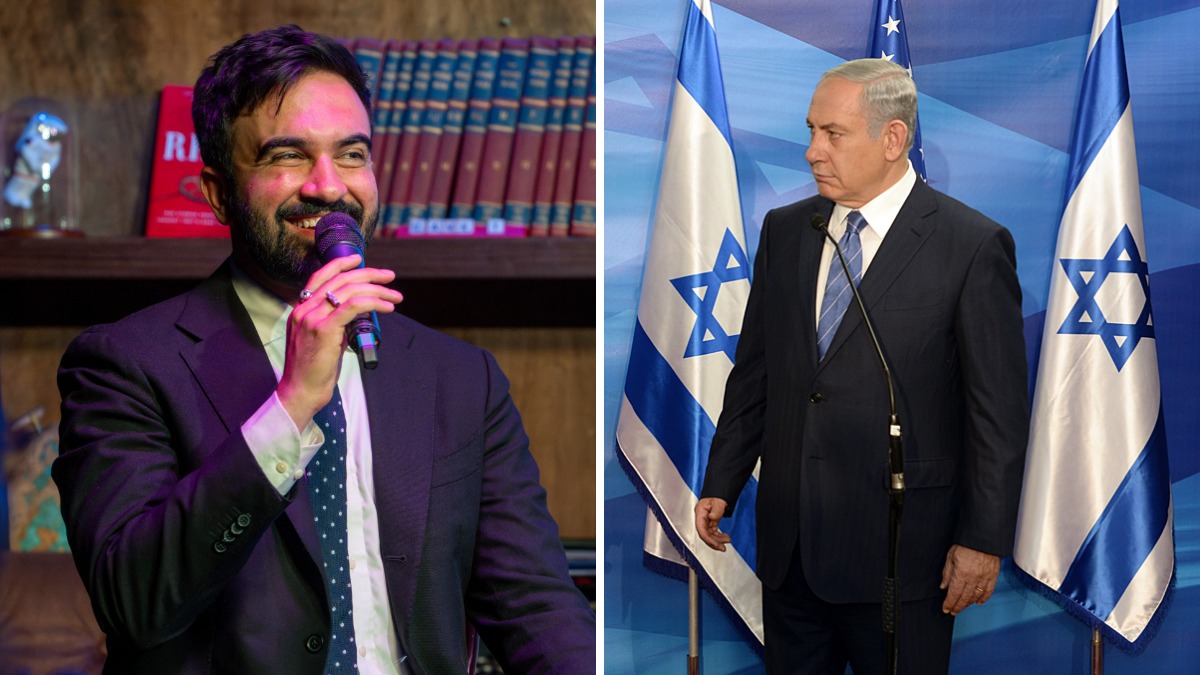
The broader context of these developments is quite messy. The ceasefire itself is already looking incredibly shaky, particularly following an attack by Israel on Lebanon that occurred on Wednesday. Israeli Prime Minister Benjamin Netanyahu has authorized direct negotiations with Lebanon, though he was quick to emphasize that no formal peace deal exists between the two nations, which have been at war since 1948.
Meanwhile, Iranian officials have provided conflicting signals. A senior Iranian official told reporters on Wednesday that the country could open the strait in a limited way under its own control before a scheduled meeting with U.S. officials this Saturday in Pakistan.
The upcoming meeting in Islamabad is shaping up to be a high-stakes event. Vice President Vance and special envoy Steve Witkoff are slated to represent the United States in these discussions, which are being mediated by Pakistan. The fact that Iran reportedly told mediators it would restrict passage to around 12 ships per day while collecting fees is likely to create a significant hurdle for these talks.
The president’s rhetoric has been consistently aggressive throughout this process. Before the two-week halt to military strikes was announced, he had threatened that a whole civilization would die if Iran did not meet his Tuesday deadline. This pressure clearly set the stage for the current, fragile agreement. Now that the agreement is being tested by these reported restrictions, the situation in the Gulf remains volatile.
If the reports regarding the $1 per barrel cryptocurrency fee are accurate, it signals a significant deviation from the expectations set during the ceasefire negotiations. The world is watching closely, as the stability of the global energy supply remains caught in the middle of these intense diplomatic and military maneuvers. We are left waiting to see if Saturday’s meeting can actually resolve these issues or if the agreement will fall apart entirely.






Published: Apr 10, 2026 01:15 pm