



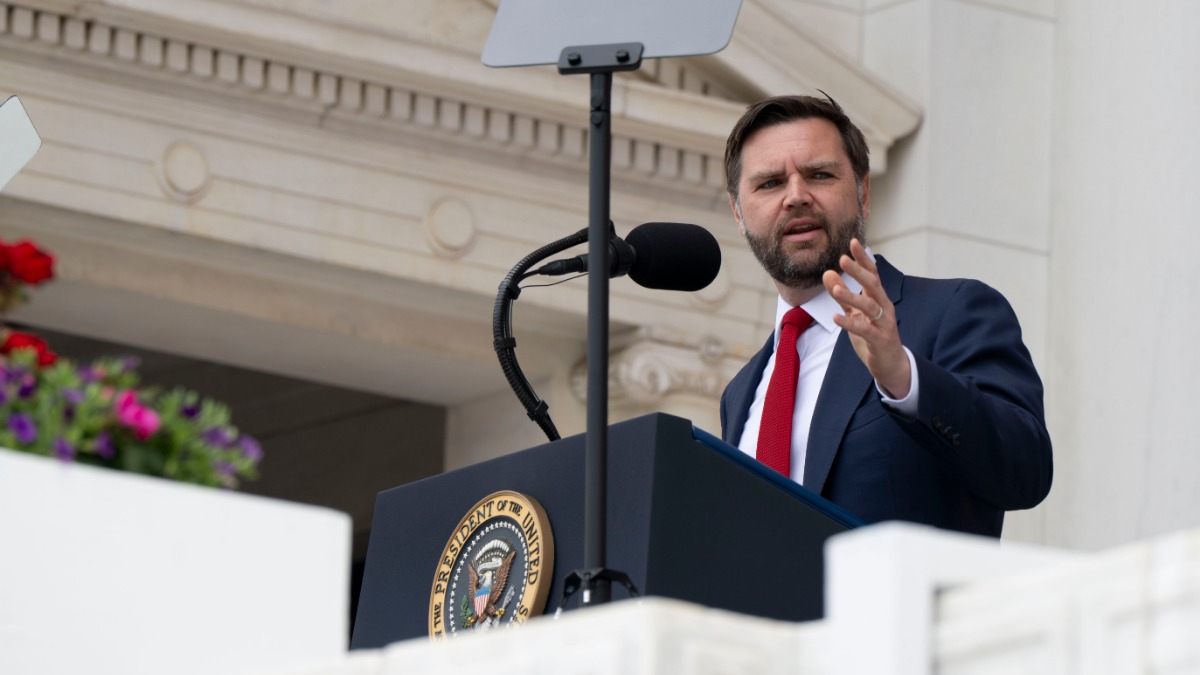

Talks between the United States and Iran concluded in Islamabad, Pakistan, early Sunday morning without a permanent cease-fire, leaving three unresolved issues that prevented an agreement. The negotiations, held over 21 hours at the Serena Hotel, represented the highest-level direct engagement between the two countries since diplomatic relations were severed in 1979. As first highlighted by Al Jazeera, Vice President JD Vance confirmed that the U.S. presented a final offer but the two sides could not reach consensus on several critical points.
The Strait of Hormuz was the most immediate sticking point. The waterway has been effectively closed or heavily restricted by Iran since February 28, 2026, cutting off a passage that normally accounts for roughly 20 percent of global seaborne oil transit and 20 percent of the world’s liquefied natural gas trade. The U.S. pushed for an immediate reopening, but Iranian officials refused to yield that leverage ahead of a final deal. Brent crude reached $126 per barrel at its peak during the closure, marking the largest disruption to the world energy supply since the 1970s. The mines Iran placed in the strait have added a further layer of danger that remains unresolved.
The second major obstacle was Iran’s stockpile of approximately 900 pounds of near-bomb-grade enriched uranium. The U.S. demanded that Iran hand over or sell the material as a condition of any agreement. Iran offered a counterproposal, but neither side was willing to move to a middle ground, and the issue was left unresolved when talks concluded.
Iran also wants $27 billion in frozen oil revenues released before it will sign onto any deal
Iran’s demand for the release of roughly $27 billion in frozen oil revenues, held across accounts in Japan, Germany, Turkey, and Luxembourg, was the third major barrier. Tehran has indicated those funds should go toward reconstruction following six weeks of U.S. and Israeli airstrikes. The U.S. rejected the demand outright, leaving no path to resolution on that front during this round of talks.
The backdrop to these negotiations is stark. Six weeks before the Islamabad meeting, the United States and Israel killed Iran’s supreme leader, Ali Khamenei, in an airstrike, triggering a wave of Iranian missile and drone attacks against U.S. bases and allied nations across the Gulf. The economic fallout from the conflict has extended well beyond energy prices, affecting fertilizer production and everyday consumer costs across multiple countries. Since the war began, at least 16 merchant ships have been damaged and 12 seafarers killed or reported missing, with Iran deploying a combination of drone attacks, missile threats, and naval mines to restrict shipping.
The high-level participation on both sides, with Vance representing the U.S. and Mohammad Bagher Ghalibaf, head of Iran’s Parliament, representing Tehran, was itself notable given the depth of hostility between the two nations. Analysts including Vali Nasr of Johns Hopkins University noted that the sustained duration of the talks reflected genuine intent on both sides. Mehdi Rahmati, an analyst based in Tehran, noted that a workable deal would require serious concessions from both parties. No further talks have been scheduled as of Sunday morning.




Published: Apr 12, 2026 10:45 am