



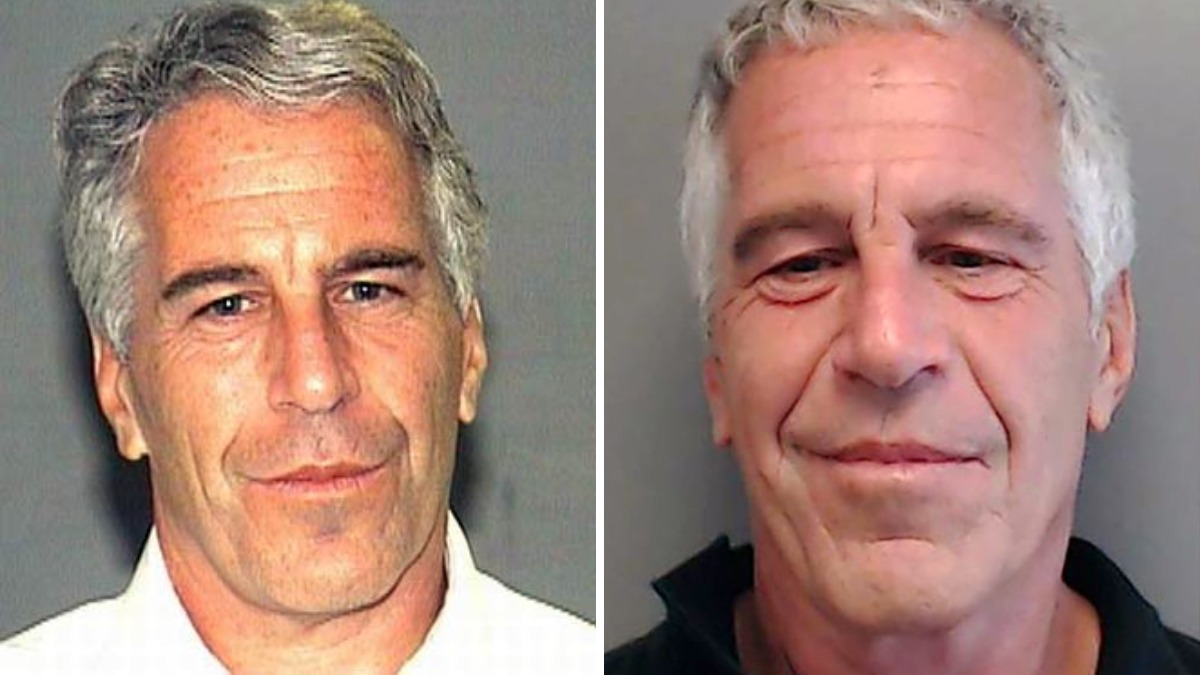

The House Oversight Committee just got its most explosive testimony yet in the Jeffrey Epstein investigation. Sarah Kellen, the woman long described as Epstein’s “lieutenant,” sat down with lawmakers in a closed-door session on Thursday and named three individuals tied to the abuse of young girls, The Hill reported. None of those names were previously known to the committee, and Chairman James Comer called her account “the most substantive and productive interview that we’ve had.”
Kellen’s testimony is already shaping up to be a turning point in the investigation. Comer told reporters she was “very brave” for coming forward, especially given the graphic details she shared about the abuse she endured at the hands of Epstein and Ghislaine Maxwell.
The committee plans to release the full transcript of her interview as soon as possible, though no specific timeline was given. Comer confirmed that every other survivor the committee has spoken with so far hasn’t provided any new leads. Even the Department of Justice’s document dumps haven’t turned up fresh connections, until now.
Kellen’s role in Epstein’s operation has always been a point of contention
Court documents from a 2013 lawsuit describe her as a “lieutenant” who handled scheduling and recruiting for Epstein. Another lawsuit from 2008 accuses her of collecting personal information from young girls before bringing them to a bedroom equipped with a massage table. The allegations paint a chilling picture of how Epstein’s network operated.
A 2019 prosecution memo from the U.S. Southern District Court of New York even compared it to a “pyramid scheme of sexual exploitation,” where victims were paid to recruit other minors. Most of the girls were between 14 and 17 years old when they were first targeted.
But Kellen’s story isn’t that simple. She’s been called both a victim and a victimizer, a survivor and a participant in the abuse. Comer acknowledged the complexity of her situation, saying there’s a split opinion on how to view her role. Some see her as a survivor who was trapped in Epstein’s web, while others argue she played an active part in the exploitation.
Jess Michaels, a 1991 Epstein survivor and advocate, told NewsNation that the situation is nuanced. She pointed out that not every victim recruited others, and some had more agency than others in how long they stayed involved. Michaels believes women like Kellen, who saw the inner workings of the operation, can provide critical information to help other victims seek justice.
Kellen herself has framed her experience as a cautionary tale. In a previous interview, she said she was a victim-turned-trafficker who wants her story to help others trapped in similar situations. “I have no doubt there are countless women currently trapped in similar situations that could be helped by hearing my story,” she said. Her lawyer didn’t respond to requests for comment, but her willingness to speak out publicly suggests she’s trying to reclaim some control over her narrative.
One question that’s been looming over the Epstein investigation is whether any high-profile figures beyond Maxwell will face consequences. When asked about President Donald Trump’s ties to Epstein, Kellen told the committee she “didn’t know anything about Trump.” That’s notable, given that a recently unsealed document shows Trump allegedly banned Epstein from Mar-a-Lago after an incident involving a young girl.
The document doesn’t specify what happened, but it’s one of many threads that investigators are still pulling. It’s important to remember that just because a name appears in the Epstein files doesn’t mean that person committed a crime. So far, Maxwell is the only one convicted in the U.S. for her role in the abuse.
The committee’s work is far from over. Comer said Kellen’s testimony opened new avenues for investigation, and you can bet lawmakers will be digging into those three new names with everything they’ve got.








Published: May 22, 2026 07:45 pm