



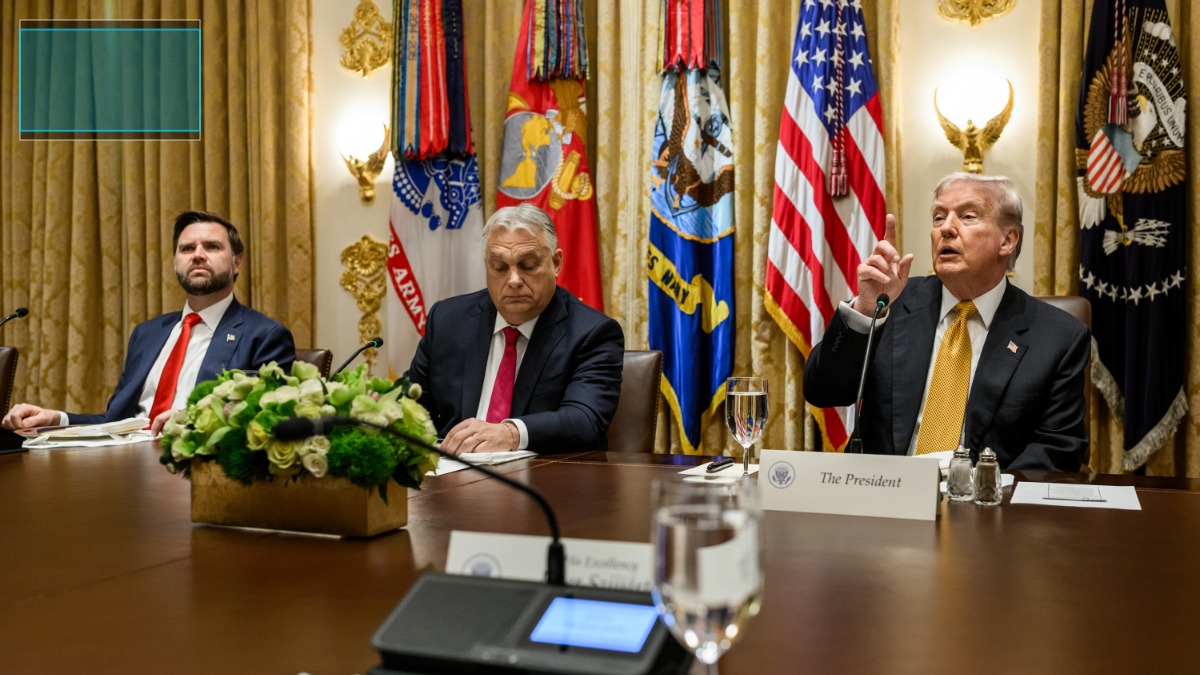

Hungarian Prime Minister Viktor Orbán has officially conceded defeat to the Tisza Party, led by challenger Péter Magyar, effectively ending his sixteen-year tenure as the leader of Hungary, The Hill reported. This result marks one of the most significant political shifts in Europe this year, especially considering the intense international attention focused on the race.
With 60 percent of the ballots already tallied, the data shows Magyar’s party securing over 52 percent of the vote compared to the 38 percent captured by the governing Fidesz party. While these numbers will certainly fluctuate as the final counts arrive, the trend has been clear enough for the long-time leader to acknowledge his exit from power.
The path to this moment was anything but quiet. Just last week, the political atmosphere was electrified by a visit from Vice President JD Vance, who traveled to Budapest to hold a rally in support of Orbán. During this event, which was branded a Day of Friendship, Vance urged the crowd to support the prime minister, framing him as a defender of Western civilization. He went as far as to place a call to President Trump from the lectern, who told the cheering supporters that he loved Hungary and viewed Orbán as a fantastic man.
JD Vance’s visit was a major gamble, representing an unusual level of direct involvement in a foreign election that many politicians typically avoid
The results are a significant blow to the political narrative pushed by the current U.S. administration. Trump had long championed Orbán’s populist policies, even going so far as to claim on Friday that his administration was ready to use the economic might of the United States to support Hungary if needed. He expressed real excitement about investing in the prosperity he believed would come from Orbán’s continued leadership.
However, the voters in Hungary seemed to have a different vision for their future. Earlier in the day, turnout had reached 77 percent, which is an incredible figure representing the highest participation in any postcommunist election in the country. This level of engagement signals that the Hungarian people were deeply invested in the outcome.
The election served as a pivotal moment that many observers viewed as a referendum on the country’s direction, specifically regarding its alignment with the East or the West. Orbán has spent years frustrating European Union efforts, particularly concerning the war in Ukraine. His refusal to stop the country’s dependence on Russian fossil fuels and his recent move to block a 104 billion dollar loan to Ukraine had put him at odds with many of his European peers.
In contrast, the victory for the Tisza Party is being celebrated by European leadership. Ursula von der Leyen, the President of the European Union Commission, noted on X that Hungary has chosen its European path and that the union grows stronger as a result.
Magyar, who was once a member of Orbán’s own Fidesz party before breaking away in 2024, maintained a posture of cautious confidence throughout the day. Before the final results were confirmed, he encouraged his supporters to remain peaceful and cheerful, even suggesting a big carnival if the outcome aligned with their expectations.
He has stated that the party intends to serve the Hungarian nation from the opposition, but that mission has now shifted to leading the country. As the votes continue to be processed, the current tally shows the Tisza Party leading in 95 of the 106 constituencies.
It is fascinating to see how the political landscape can shift so rapidly. Orbán, who has been a central figure in the global far-right movement for years, often faced criticism regarding the state of Hungarian institutions and the independence of the press. Despite these controversies, he remained a powerful icon for his international supporters. Yet, the reality of the ballot box has proven to be the ultimate test. While the full scope of the final vote distribution is still pending, the concession from the prime minister is a definitive end to a very long chapter in Hungarian politics.
It is a reminder that even when international allies throw their full weight behind a candidate, the local electorate ultimately holds the power to change the course of their nation. For now, the focus will turn toward how this transition of power unfolds and how the new leadership will navigate the complex relationship between Hungary and the rest of Europe.







Published: Apr 13, 2026 03:00 pm