



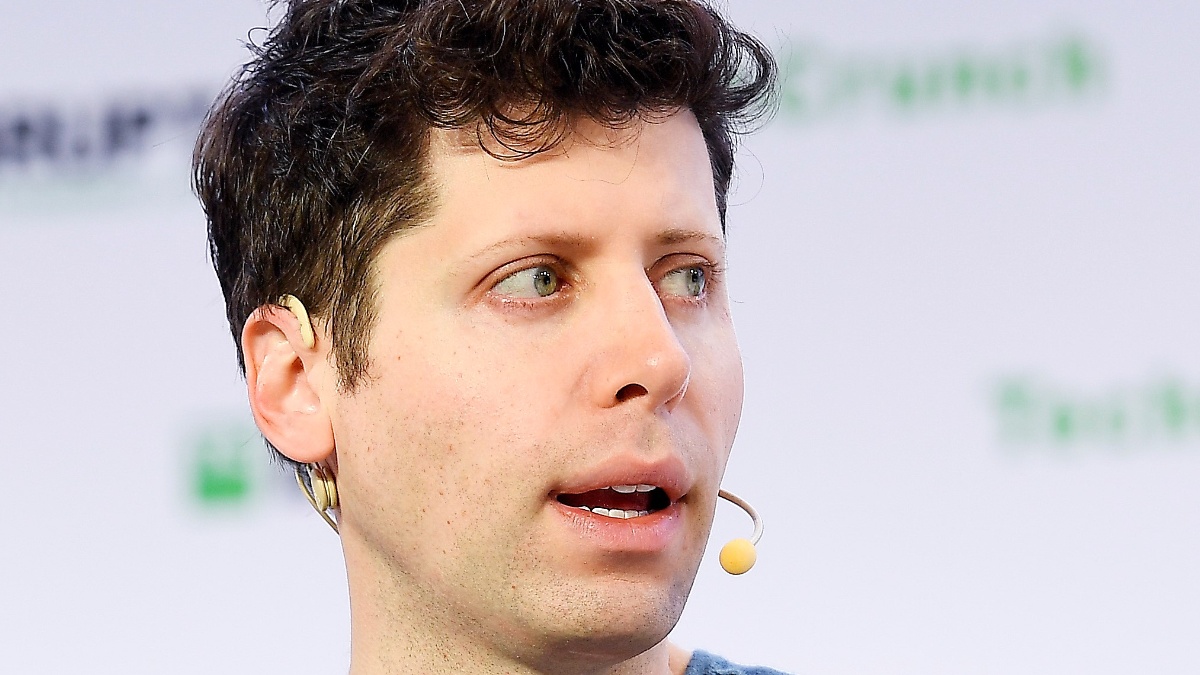

TikTok is celebrating as Gen Z takes literal aim at AI leaders, and the movement shows no signs of slowing down, Fortune reports. Over the weekend, two more young adults were arrested after firing a gun near the home of OpenAI CEO Sam Altman, just days after a 20-year-old man allegedly threw a Molotov cocktail at his $27 million residence. The backlash is a full-blown cultural shift, with Gen Z leading the charge against a technology they increasingly see as a threat to their future.
The first attack unfolded in the early hours of Friday, when Daniel Moreno-Gama allegedly hurled an incendiary device at Altman’s Pacific Heights home, setting fire to the exterior gate. No one was injured, but Moreno-Gama wasn’t done. About an hour later, he was arrested outside OpenAI’s headquarters after allegedly trying to smash the building’s glass doors with a chair and threatening to burn the facility down.
Authorities later found a manifesto in his possession, warning of humanity’s “extinction” at the hands of AI and expressing a desire to commit murder. The document also included a list of other AI executives, investors, and board members, along with their addresses.
The attacks on Altman’s home may have been extreme, but they’re a symptom of a much larger frustration
Moreno-Gama is now facing state charges of attempted murder and federal charges that could include domestic terrorism. FBI Acting Special Agent in Charge Matt Cobo called the attack “planned, targeted, and extremely serious.” In a press conference, Cobo confirmed that Moreno-Gama’s actions were premeditated, with evidence suggesting he intended to kill Altman. The suspect’s manifesto, titled “Your Last Warning,” directly addressed Altman, writing, “if by some miracle you live, then I would take this as a sign from the divine to redeem yourself.”
Altman responded to the attack with a rare personal post on X, sharing a photo of his husband and young child. “Normally we try to be pretty private, but in this case I am sharing a photo in the hopes that it might dissuade the next person from throwing a Molotov cocktail at our house, no matter what they think about me,” he wrote. He also acknowledged that he had “underestimated the power of words and narratives” in the AI debate, calling for a reduction in the industry’s heated rhetoric.
But the response from Gen Z wasn’t sympathy; it was approval. Across TikTok and Instagram, comments under posts about the attacks trended in one direction: “He’s not scared enough.” “Based do it again.” “FREE THAT MAN HE DID NOTHING WRONG.” “Finally some good news on my feed.” The sentiment isn’t just confined to a radical few. A recent Gallup poll found that while more than half of Gen Z in the U.S. uses AI regularly, less than a fifth feel hopeful about the technology. Nearly half say it makes them afraid, and about a third admit it makes them angry.
Zach Hrynowski, Gallup’s senior education researcher, attributed some of that anger to the bleak job market. The oldest members of Gen Z, now in their mid-20s, are entering a workforce where 43% of recent graduates are underemployed, as they are stuck in jobs that don’t require their degrees.
But the frustration goes deeper than economics. Alex Hanna, a professor and researcher who studies AI’s social impacts, pointed to a growing disconnect between the promises of AI evangelists and the reality of 2026. “There’s a real mismatch between consumer confidence and people’s pocketbooks and budgets, and what the technologists and the AI companies say the future is supposed to look like,” she said.
Altman himself has been one of the most vocal proponents of AI’s utopian potential, suggesting that the technology would usher in an era of “universal basic compute” where people barely need to work. Instead, inflation remains stubbornly high, financial anxiety is at record levels, and Gen Z feels trapped in what some are calling a “starter economy”—one with few good jobs and even fewer affordable homes. The gap between the hype and the reality is fueling resentment, and not just among young people.
Across the U.S., communities are pushing back against the rapid expansion of data centers, which are essential for powering AI but come with steep costs. According to a report from 10a Labs’ Data Center Watch, at least $18 billion worth of data center projects have been blocked over the past two years, with another $46 billion delayed due to local opposition. In 2025 alone, 25 projects were canceled after pushback from residents, four times as many as in 2024.
The concerns aren’t just about existential AI risks; they’re practical. Communities cite higher utility bills, excessive water consumption, noise pollution, and the destruction of green spaces as their top objections. Water use, in particular, has become a flashpoint, with more than 40% of contested projects facing opposition over concerns about local supply.








Published: Apr 15, 2026 10:45 am